Few films have left a cultural imprint quite like Legally Blonde. More than two decades after audiences first met Elle Woods, the beloved franchise returns with Elle, Amazon Prime Video’s highly anticipated prequel exploring the experiences that shaped one of pop culture’s most enduring heroines.
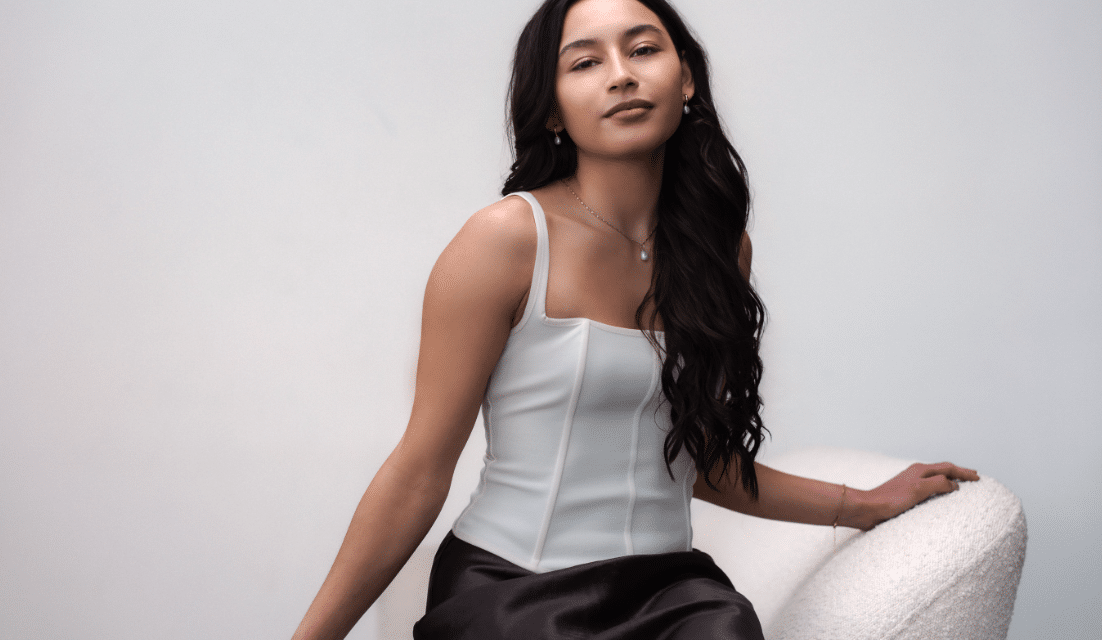
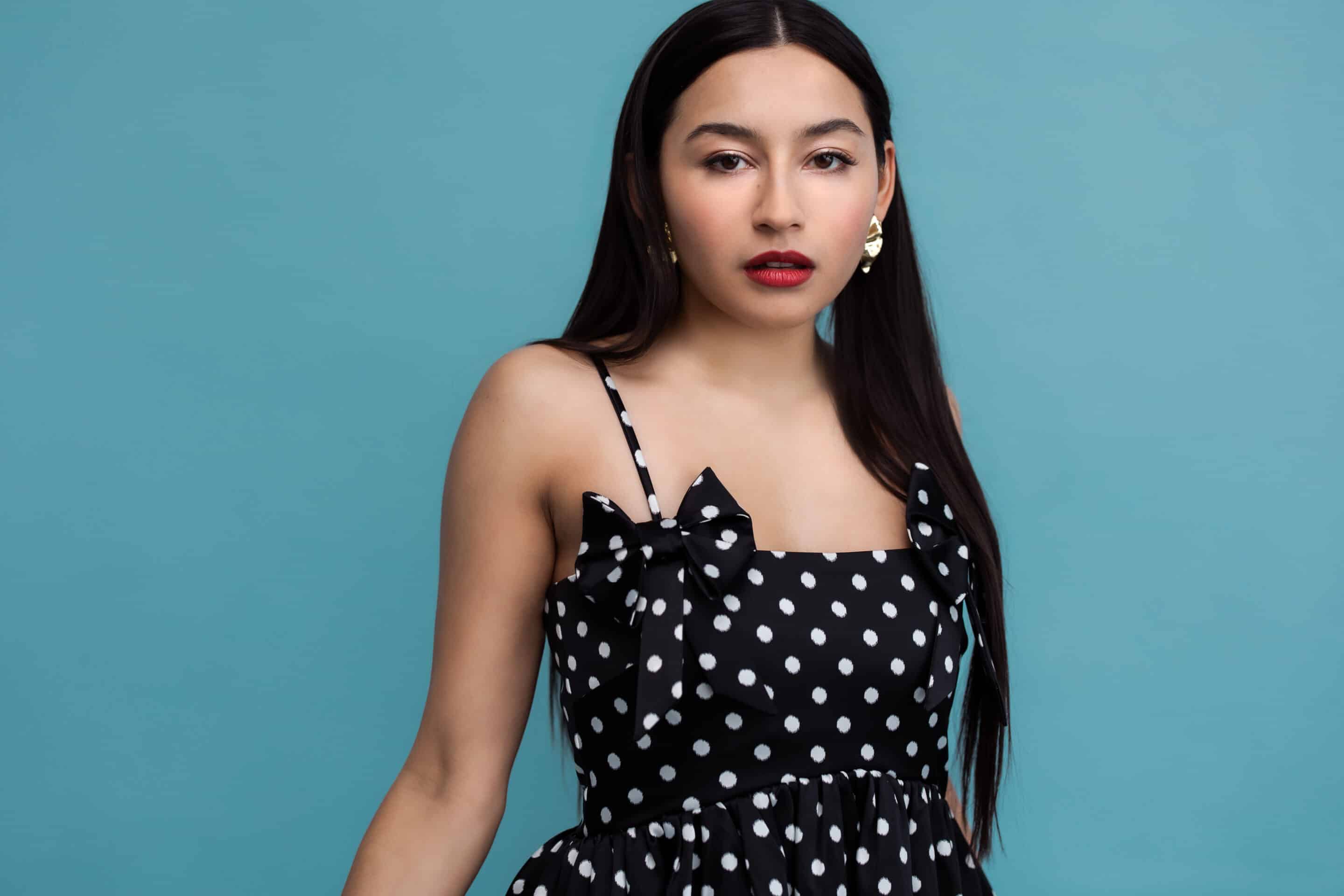
Among the fresh faces bringing this new chapter to life is Danielle Chand, who stars as Shannon—the most popular girl at school and an unexpected source of kindness during Elle’s high school years. Set against the grunge-soaked backdrop of 1990s Seattle, Shannon stands out not because she fits the stereotype of a queen bee, but because she quietly dismantles it, welcoming Elle with warmth, sincerity, and genuine compassion.
For Chand, whose heritage is Indian, Swiss, and Indigenous, the role represents both a major career milestone and an opportunity to contribute to a new generation of representation within one of Hollywood’s most recognizable franchises.
We caught up with Danielle to discuss stepping into the world of Elle, emotional authenticity, representation, resilience, and why kindness remains Shannon’s greatest strength.
Elle revisits such an iconic world, but through a much younger and more vulnerable lens. What excited you most about stepping into these characters’ lives before audiences knew who they would become?
Booking Shannon honestly felt surreal.
What immediately drew me to her was the relationship she develops with Elle and the way she takes her under her wing.
There’s so much warmth and protectiveness in their friendship that every scene we shared became incredibly meaningful to me.
It was exciting to help build a relationship that audiences have never seen before but that feels like an important part of Elle’s journey.
Shannon exists inside the grunge-heavy cynicism of ’90s Seattle while still radiating warmth and sincerity. What attracted you to that balance?
That contrast was exactly what made me fall in love with Shannon.
She lives in this gritty world, but she still chooses kindness.
That felt very familiar to me personally.
I’ve always wanted people to feel comfortable, especially if they’re new somewhere—whether that’s a class, a workplace, or a group of friends.
I’ve been that new person so many times myself, and I know how much even one small act of kindness can mean.
So Shannon’s emotional instinct came very naturally.
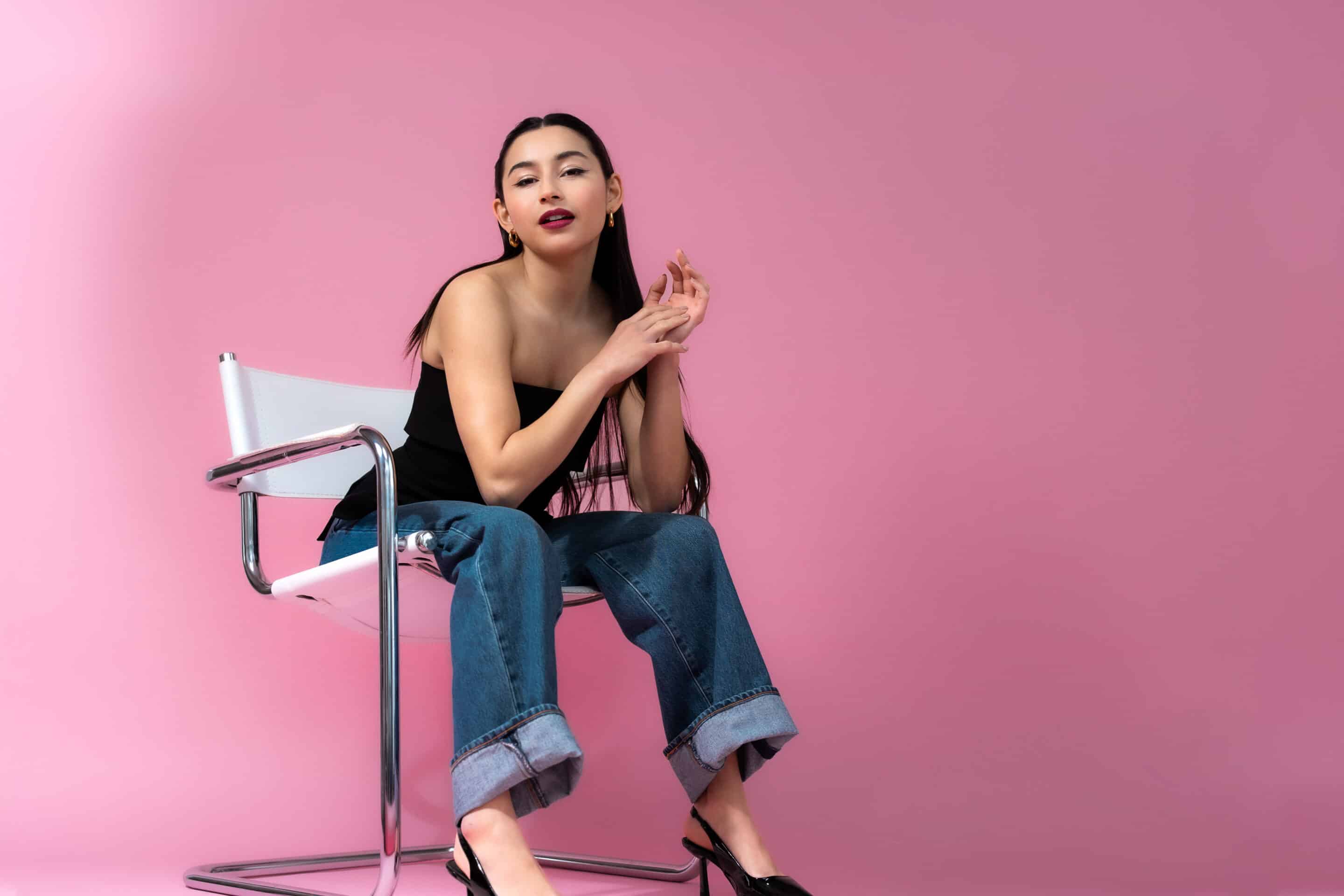
Representation feels especially meaningful in your own journey. As an actress who is Indian, Swiss, and Indigenous, what does joining such an iconic franchise mean to you?
Growing up, I didn’t really see many people on screen who looked like me.
I definitely didn’t see many stories that reflected what it meant to grow up mixed.
So becoming part of a franchise like Legally Blonde feels incredibly special.
I think we’re moving in a positive direction when it comes to representation, but there’s still so much work to do.
Sometimes simply seeing someone who looks like you can make you feel like you belong.
Knowing I can be part of that for someone else makes me incredibly happy.
You’ve described acting as a way of exploring emotional truth and freedom. Was there a moment while playing Shannon where that philosophy really came alive?
Absolutely.
Shannon experiences some deeply emotional moments that I think many people will relate to.
Some of those situations weren’t part of my own lived experience, which meant I had to imagine not only what those emotions would feel like, but how I would move through them.
That’s one of the beautiful parts of acting.
The honesty comes from fully committing yourself to someone else’s emotional reality.
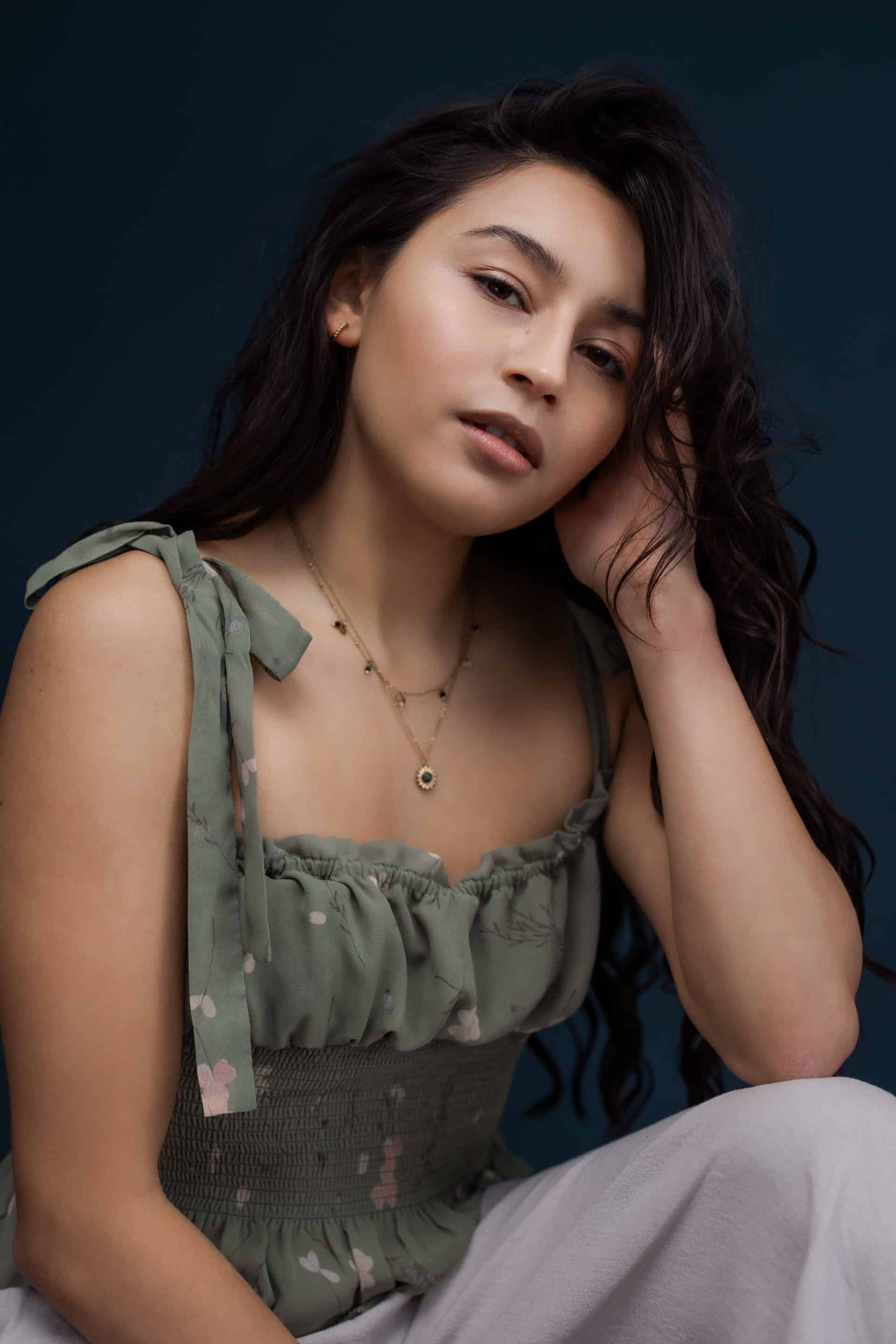
The original Legally Blonde challenged assumptions about femininity, intelligence, and ambition. Do you think Elle continues that conversation for a new generation?
Definitely.
Elle is still the same determined, optimistic person people know and love.
She continues surprising everyone who underestimates her.
But what’s really exciting is that audiences get to watch her discover that strength for herself.
You see her struggle.
You see her make mistakes.
And you see how she slowly figures everything out.
That makes her journey even more relatable.
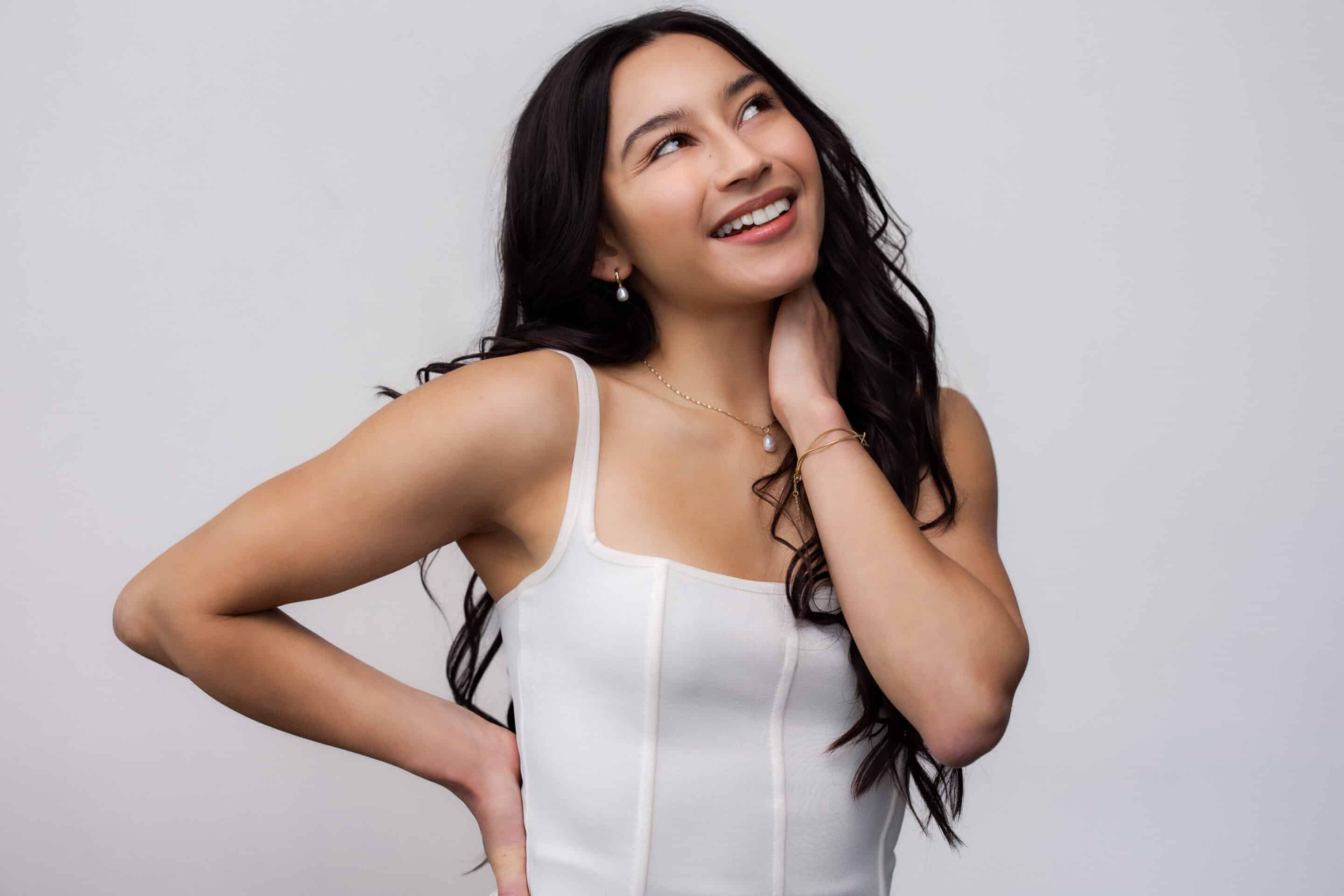
Breakout moments often come with enormous pressure, especially inside beloved franchises. How have you stayed grounded throughout this experience?
It was definitely a marathon rather than a sprint.
My first reaction was honestly to panic.
My mind was racing in every direction.
Eventually I realized I had to stop worrying about everything that might happen and simply focus on the work itself.
Immersing myself completely in Shannon’s world helped keep me present.
And honestly…
Remembering to have fun was probably the biggest lesson of all.
Your background includes improv, theatre, and screen acting. How has that combination influenced your emotional approach to performance?
I’ve always thought of theatre as giving something directly to an audience in real time.
Film obviously works differently, but I still approach every scene with that same level of commitment.
I try to leave everything on the floor emotionally, even if I know we’ll shoot multiple takes.
Actually, that’s one of my favorite parts of filmmaking.
Each take allows you to discover something slightly different.
A tiny emotional shift can completely change a scene.
I love exploring those possibilities.
Undergoing spinal surgery at fourteen clearly demanded resilience at a young age. Did that experience change how you see yourself?
It definitely did.
I learned pretty early that when difficult things happen, you eventually have to accept them and move forward.
At first I was scared.
Then I realized that fear wasn’t helping me.
So I consciously chose optimism instead.
I kept telling myself the surgery would go well and everything would be okay.
Looking back, I’m actually grateful it happened when I was fourteen.
If I were facing it today, I’d probably ask a thousand questions and completely overwhelm myself.
There’s something beautiful about being a kid and simply trusting the process.
The series recreates the culture of the 1990s. Did stepping into that era help you better understand Shannon?
Absolutely.
The wardrobe played a huge role.
The clothes—especially the boots—completely transformed how I carried myself.
Shannon is confident.
She’s fashionable.
She walks into every room like she belongs there.
Wearing those outfits immediately helped me understand that part of her personality.
I genuinely felt cooler the moment I put them on.
As your career begins reaching a global audience, what kinds of stories do you hope to tell next?
I love stories that make people think.
I also love stories that make people cry.
More than anything, I want audiences to feel something when they watch my work.
That’s always my goal.
What fascinates me most about acting is the research.
Every character asks you to understand someone else’s life.
If I have the opportunity to tell stories from underrepresented perspectives, I want to approach them with as much respect as possible.
That means learning everything I can, doing the work, and making sure those stories are told honestly.
At the end of the day, that’s what acting means to me: helping people feel seen through emotional truth.