There is a particular kind of success that looks impressive from the outside but still leaves private questions unanswered. JHart knows both sides of that equation.
The GRAMMY-winning, multi-platinum songwriter has spent years helping shape songs for some of the biggest names in pop and R&B, working with artists including Justin Bieber, Kylie Minogue, Troye Sivan, Sabrina Carpenter, Usher, Muni Long, Cher, Tate McRae, and more. He has accumulated Billboard No. 1s, major collaborations, global performances, and the kind of songwriting résumé that can make an artist seem fully formed from a distance.
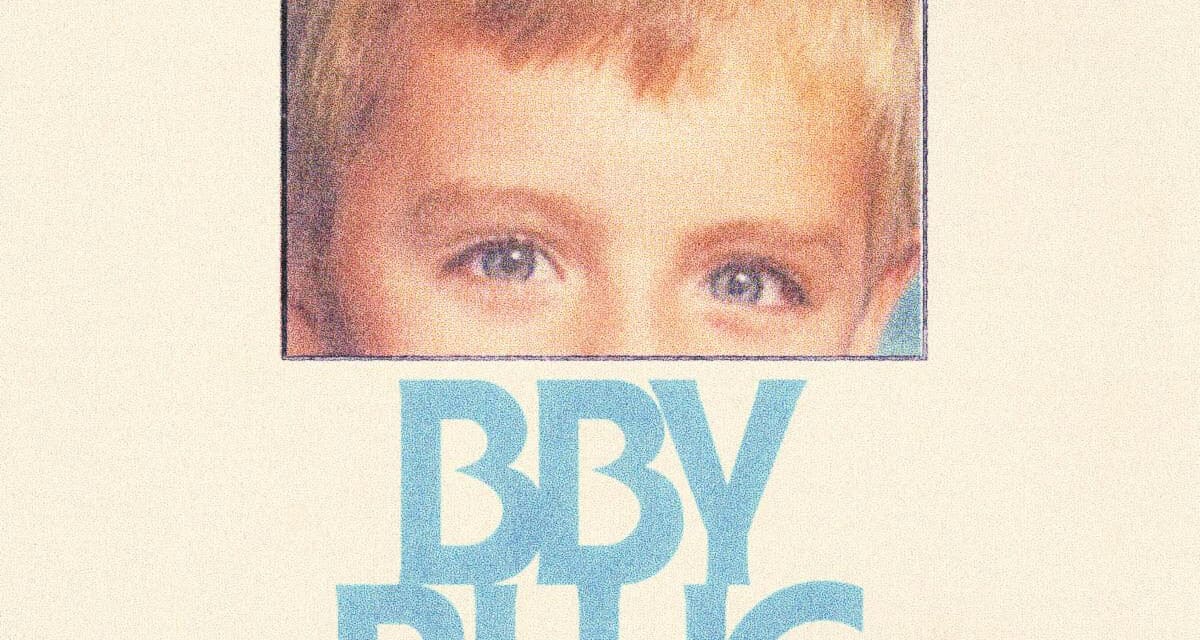
But his new single, “Bby Blue,” turns away from accolades and toward something much smaller, quieter, and more personal: the child he used to be.
Inspired by the piercing blue eyes JHart had as a kid, “Bby Blue” is written directly to his younger self. Rather than romanticizing childhood, the song examines what happens to the parts of us that become hidden as we learn how to survive other people’s expectations. For JHart, that process is inseparable from growing up queer and learning, consciously or otherwise, which gestures, desires, colors, behaviors, and expressions were considered acceptable.
The song doesn’t frame healing as a triumphant destination. Instead, JHart approaches it as an ongoing act of remembering. The flamboyant, playful, instinctive child he once was never completely disappeared; adulthood simply layered fear, shame, ambition, and self-protection over him.
That makes “Bby Blue” less about returning to the past than recovering something essential from it.
Coming after the deeply emotional “Memories” and following a summer that included a performance as iHeartRadio’s featured artist at New York City’s Pride March, the single also reflects JHart’s increasingly visible commitment to queer representation. His artistry now feels concerned not simply with writing successful songs, but with making room for the parts of himself he once believed might prevent him from being taken seriously.
We spoke with JHart about inner-child healing, queer identity, the difference between writing for global superstars and writing for himself, dismantling years of emotional programming, and why self-acceptance may be less about becoming someone new than finally recognizing who was there all along.
“Bby Blue” feels like one of your most intimate songs yet—a conversation with the child you once were. What inspired you to write to your younger self instead of writing about him?
People often ask, “What’s one thing you’d tell your younger self if you could?” Every time I heard that question, I thought there were probably a few things I’d want to tell him beyond just saying thank you. That thought became the inception of Bby Blue.
I like to think he still goes through life with me. I even have his picture on my mirror, so it made sense to use “you.” I also love that someone can listen to the song and hear whoever that proverbial “you” is for them.
The song explores the idea that our truest selves never actually disappear—they simply become buried beneath fear, shame, and expectation. What did reconnecting with that “Bby Blue” version of yourself teach you about healing?
I still feel like I’m in the process of fully reconnecting and integrating those parts of myself, and I think that’s the lesson. Healing isn’t a destination, and the work is never really done.
That’s what I meant by the line, “…but I’m way closer to it than I’m not.” Sometimes I’ll leave a social event or a high-pressure situation where I let shame and fear take over, and I’ll think, “I really could’ve used more of his energy back there.”
The beautiful thing is, the more I connect with what I know my truest essence to be, the less often those moments happen.
You’ve spent years writing chart-topping songs for some of the world’s biggest artists while also building your own identity as a performer. How different is the emotional process of writing for yourself compared to writing for someone else?
I definitely have a melodic style, and when I’m writing for myself, I can let that intuition do exactly what it wants to do. I also have themes, titles, and ideas I want to explore lyrically, so I can find the exact angle that feels true to me and write in a much more personal—even selfish—way.
Emotionally, it’s incredibly pure. I cried while writing “Memories” and “Father’s Son” from my last EP. Writing for myself is a different kind of fulfillment. It feeds me in a way I’ll never take for granted again.
Your career has balanced commercial success with deeply personal artistry. Has becoming more vulnerable in your own music required a different kind of courage than writing hit songs for others?
Writing hit songs ain’t for the weak, and honestly, none of this is. This business is incredibly hard, no matter how talented you are. It’s so much more about perseverance and trusting that creative synergy and success come in waves.
The vulnerability it takes to keep putting myself out there can be difficult, especially when it taps into that deep-rooted insecurity that if I show certain parts of myself, people won’t love me or take me seriously.
I spent years building a brand as a commercially successful songwriter, and I almost had to break through that identity to reveal more of who I really am. I’m still finding the courage to keep sharing those parts of myself, but I believe the right people will hear it, see it, and connect with it when the time is right.
“Bby Blue” is rooted in your experience as a gay man, yet its message feels universal. Why do you think reconnecting with our younger selves is something so many people, regardless of background, can relate to?
I think so much of growing up is programming, and so much of living freely as an adult, especially as an artist, is about deprogramming and getting back to the essence of who we were before we were told, “Don’t sit like that,” “Boys don’t wear pink,” “You need to go to college and get a real job,” or, “Mystery makes you hot—don’t be too goofy.”
Gay or not, most of us learned to stop doing certain things in order to protect ourselves and feel safe. Those lessons become ingrained in us, but eventually they stop serving us.
There’s something deeply healing about having empathy for that child who just wanted to exist and run around the playground without being told how to show up in the world by someone who was only repeating what they’d been taught themselves.
You’ve described the song as both a love letter and a thank-you note. If you could sit down with your younger self today, what do you think he would be most surprised to learn about the life you’ve built?
For starters, I think he’d be shocked at how good my voice sounds these days. Haha. And of course, he’d be amazed to learn that I’ve worked with and shared space with artists we grew up idolizing, like TLC, Kylie Minogue, and Cher.
I also think he’d be surprised by how proud I am to be an out gay man. Self-acceptance has been a long, difficult journey for me, and that part would probably be the hardest to explain because I spent so many years terrified to confide in anyone. I genuinely felt so alone.
On that note, I would love to introduce him to the friends and community of queer creatives and allies I’ve found. There’s so much playfulness and silliness in my friend group and I think he’d be really proud that I finally found my fellow theater kids.
Beyond your music, you’ve become an advocate for LGBTQ+ visibility and emerging queer artists. How do you hope songs like “Bby Blue” contribute to conversations about identity, self-acceptance, and representation?
I just hope we continue, collectively, to create and make space for more nuanced perspectives and greater opportunities for queer artists. I think there’s still so much misunderstanding around the queer experience, and music is one of the most powerful tools we have for creating connection and sharing what we’ve lived through.
Queerness is a superpower. Its influence touches every art form. There’s such a distinct color and depth to the queer experience, and I’m endlessly inspired by its beauty. I want to see more of it reflected in our world. That’s absolutely one of my missions.
Having collaborated with artists ranging from Justin Bieber and Kylie Minogue to Troye Sivan and Sabrina Carpenter, you’ve witnessed many different approaches to storytelling. How has working with such a diverse range of artists shaped your own voice as a songwriter?
First of all, it’s such a gift to be around so many incredibly talented artists from different creative worlds. I never take that for granted, and I hope I get to help people tell their stories for a long time to come.
Seeing so many different creative processes has expanded my own collaborative template, and that’s part of what makes this job so exciting.
Being around artists operating at the highest level, I’ve noticed certain qualities they all seem to share, and I’ve started recognizing some of those same qualities in myself. There’s no better reminder that I do have what it takes and that I’m exactly where I’m supposed to be.
There’s a quiet optimism running through “Bby Blue”—it acknowledges pain without allowing it to define the narrative. Was it important for you that the song ultimately feel hopeful rather than nostalgic?
Absolutely. Ideally, both hope and nostalgia can coexist, but I wanted hope to do most of the heavy lifting. That’s the feeling I wanted people to leave with.
This release feels like a deeply personal milestone in your artistic journey. When listeners hear “Bby Blue,” what do you hope it encourages them to rediscover or forgive within themselves?
I hope it encourages people to find a deeper level of self-acceptance. One that isn’t based on who other people told us we are or the stories we’ve told ourselves just to cope, but instead on our truest lived experience and our deepest essence.