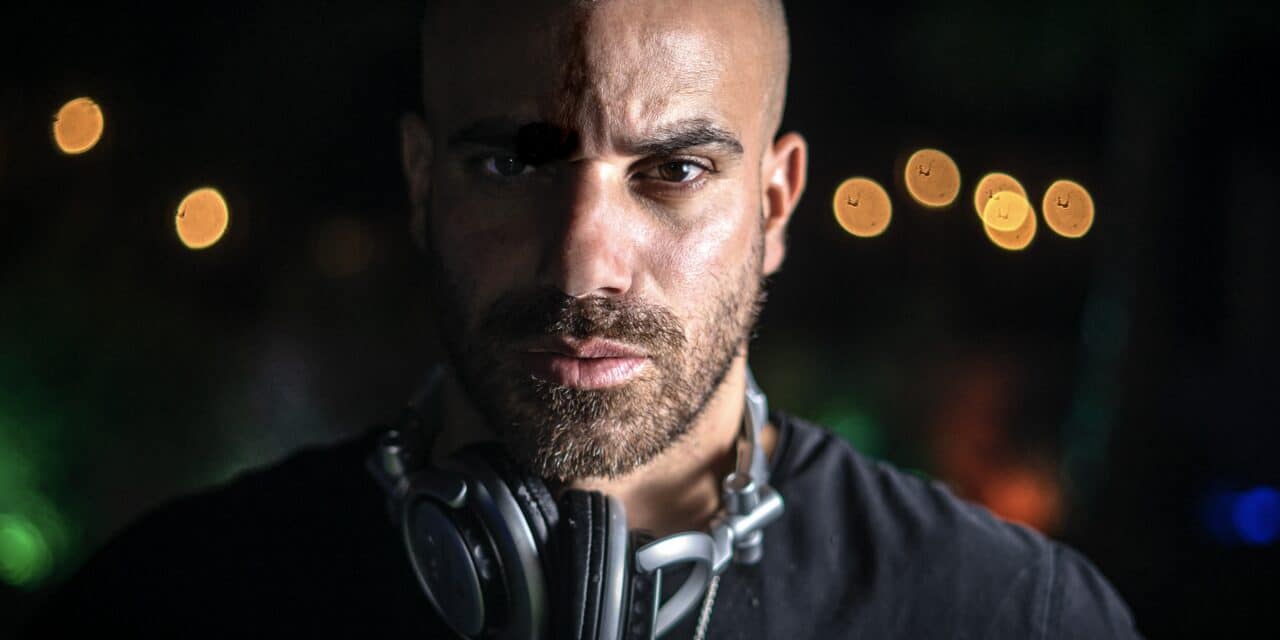
For L’CORE, making electronic music has never been about finding the perfect genre.
It’s about finding the right feeling.
The Las Vegas-based DJ, producer, and entrepreneur has spent 2026 moving between techno, house, Afro House, and increasingly experimental sounds, developing an identity that refuses to settle comfortably into any single category.
His latest release, “Poco Loco,” a collaboration with Eran Hersh and NATKO on his own Late Exit imprint, captures that philosophy in full.
Blending driving European club basslines with Moombahton-inspired rhythms and fiery Spanish vocals, the track is designed for the kind of moment when the music takes over and the crowd stops thinking about anything else.
“I honestly don’t think about genre that much when I’m making music,” L’CORE explains. “I’m more interested in whether something has the right groove and feeling.”
Recently, he’s begun describing his evolving sound as Indie Tech, a meeting point between indie, house, and techno. But even that designation comes with a warning.
“I don’t want that to become another rule either.”
Three Producers, One Instinct
“Poco Loco” began as an idea from L’CORE before evolving through an unusually organic collaboration.
After sharing the initial concept with NATKO, the producer developed his own version, which eventually reached Eran Hersh.
Hersh played the track while warming up for HUGEL, and later, while listening to it together in a car, L’CORE realized he wanted him involved in the record.
The three eventually entered the studio, allowing the track to evolve without assigning rigid creative responsibilities.
“Nobody planned who would do what,” L’CORE recalls. “The track kept passing hands, and every person added something the others wouldn’t have.”
It’s a fitting approach for an artist whose creative instincts have been shaped by vastly different electronic music environments.
From the enormous production spectacles of Las Vegas to the experimental freedom of Burning Man, the relentless energy of Tel Aviv, and the hypnotic repetition of Tulum, L’CORE has learned that the most powerful musical experiences rarely depend on technical complexity alone.
“You can have every light, screen and effect in the world, but if the music isn’t connecting, people feel it.”
That same principle guides his studio process.
Rather than endlessly refining a track until it reaches some theoretical standard of perfection, he looks for a more immediate reaction.
“For me it’s pretty simple: I start moving.”
Building Something Beyond the DJ Booth
While his music continues to reach international audiences, L’CORE’s ambitions extend well beyond his own releases.
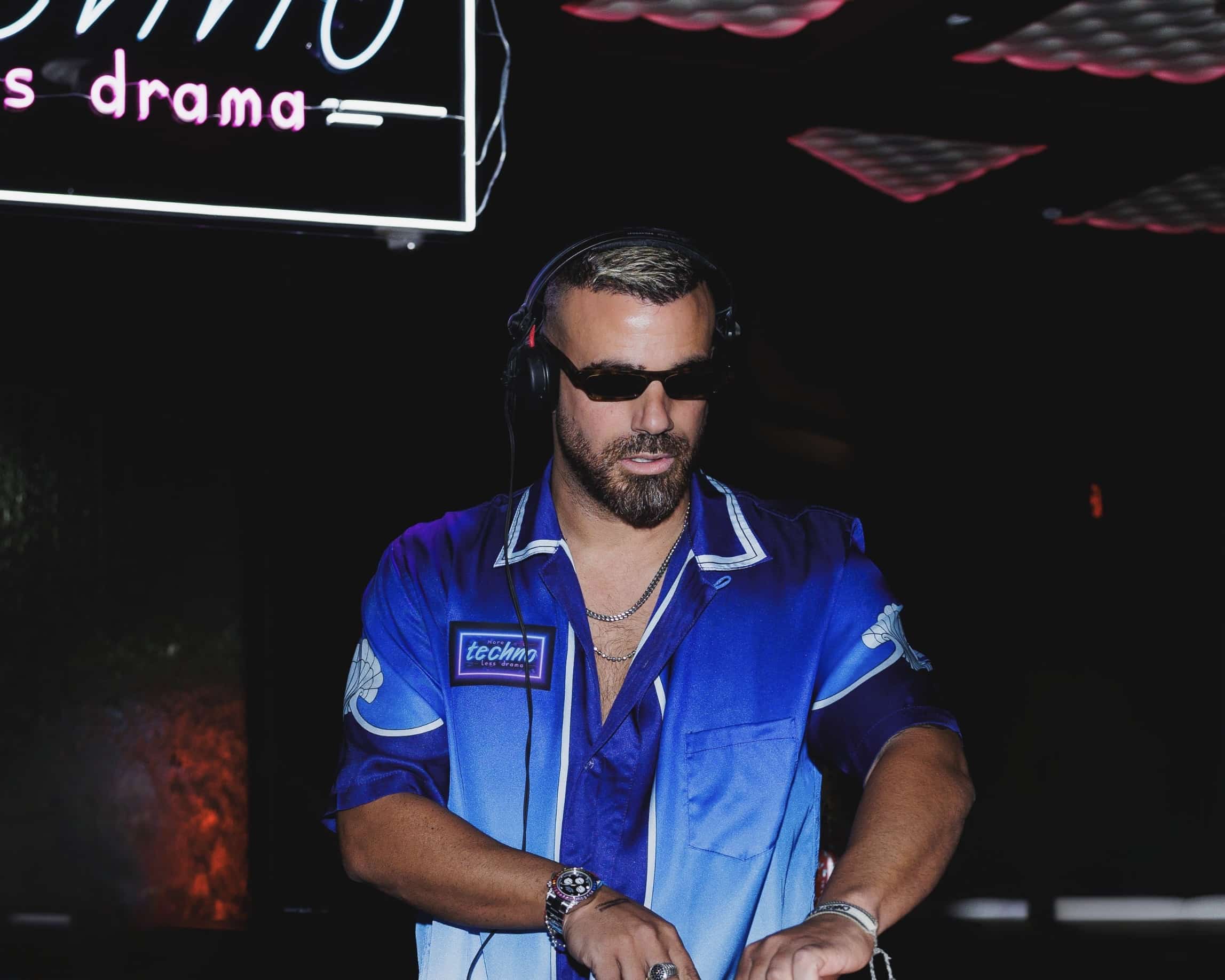
Through Late Exit, he is developing a platform for collaborations and emerging artists, while his More Techno, Less Drama initiative brings together electronic music, curated events, and charitable community projects.
For L’CORE, entrepreneurship and artistry aren’t opposing forces, but they do require different mindsets.
His days are dedicated to meetings, events, releases, and building the infrastructure around his work.
The evenings belong to music.
“That’s when the muses actually show up,” he explains. “I don’t want to be thinking ‘Is this marketable?’ while I’m creating. You can think about that later.”
It’s a distinction that reveals something important about his approach.
He wants the freedom to create instinctively, while building the independence necessary to protect that freedom.
And as electronic music becomes increasingly commercial and globally interconnected, he believes the culture surrounding it should remain rooted in something more meaningful than numbers.
“Nightlife is built around people and community,” he says. “Success shouldn’t make you forget the people around you.”
With “Poco Loco,” L’CORE continues expanding both his musical vocabulary and the independent platform surrounding it.
But the most revealing statement about his ambitions might be his simplest.
“I don’t fit into templates. I build them.”
In Conversation With L’CORE
You move between techno, house, Afro House and now the Latin-influenced energy of “Poco Loco.” What makes a sound feel authentically yours when you’re working across so many different corners of electronic music?
I honestly don’t think about genre that much when I’m making music. I know that sounds funny because eventually everything gets put into a category, but in the studio I’m more interested in whether something has the right groove and feeling. There are certain basslines, drums and electronic textures I naturally keep coming back to, and I think that’s where my sound comes from. Even with “Poco Loco,” which has this Latin influence, I still hear myself in it. Lately I’ve been calling the direction Indie Tech, because it sits somewhere between a few different worlds, but I don’t want that to become another rule either.
“Poco Loco” brings you together with Eran Hersh and NATKO / Q.U.A.K.E, two producers with very distinct musical backgrounds. When three producers enter a collaboration like this, how do you make space for everyone’s identity without ending up with a track that feels overly calculated?
You don’t overthink it. That’s probably the biggest thing. “Poco Loco” actually started as my idea. I sent it to NATKO, and he wanted to take it further, so he built his own sketch. That sketch made its way to Eran, who ended up playing it while warming up for HUGEL. Later Eran and I were sitting in the car listening to it together, and I knew I wanted him on the record. He fell in love with it right there. We got into the studio together and kept pushing it until all of us felt it was exactly where it needed to be. That’s how a three-way collaboration should work. Nobody planned who would do what. The track kept passing hands, and every person added something the others wouldn’t have.
You’re based in Las Vegas, a city where electronic music exists somewhere between massive-scale entertainment and underground club culture. How has living and working there shaped your understanding of what makes people move?
Vegas is interesting because you see everything here. You can have this insane production with thousands of people, and then another night you’re in a much smaller room where it’s really just about the DJ and the crowd. Being around both has taught me that you can have every light, screen and effect in the world, but if the music isn’t connecting, people feel it. And the opposite is also true. Sometimes all you need is the right groove at the right moment and the whole room changes.
You’ve played everywhere from Tulum and Tel Aviv to Miami, Hawaii and Burning Man. Which places have genuinely changed the way you approach DJing or producing rather than simply giving you another audience to perform for?
Burning Man definitely changed the way I think about DJing. You can play for hours, there’s no normal club structure, and people are much more open to going somewhere with you musically. Tel Aviv is different — there’s an energy there that’s very direct, very fearless, and that’s part of me anyway. Tulum taught me patience and how powerful repetition can be when the setting is right. Every place gives you something, but those experiences actually came back into the studio with me.
Electronic music can become extremely focused on technical perfection, but records like “Poco Loco” ultimately depend on something much simpler: whether people immediately feel them. How do you know when a track has that instinctive energy rather than just being technically good?
For me it’s pretty simple: I start moving. If I have to convince myself that a track is good, usually something is missing. You can spend forever fixing a kick, changing a mix or making everything technically perfect, but none of that guarantees that somebody is going to feel anything. Some of my favorite moments in the studio are when something happens almost by accident and everybody suddenly looks at each other. That reaction tells you more than staring at the screen for another five hours.
Late Exit gives you the ability to release your own music while also bringing other artists into the world you’re creating. At what point did you realize that being an artist alone wasn’t enough and that you wanted to build your own platform around the music?
I’ve always been an entrepreneur, even outside of music, so I think building something was naturally going to become part of this. With Late Exit, I wanted more control over how music is developed and released, but then it started becoming bigger than my own releases. I started meeting artists I believed in and hearing music that I wanted to help push forward. That’s when the label became much more interesting to me. I don’t want Late Exit to just be the place where L’CORE releases records. It should have its own identity.
There’s an interesting tension between being an entrepreneur and being an artist: one requires planning, while the other often benefits from spontaneity. How do you stop the business side of L’CORE from interfering with the instinctive side of making music?
When I’m making music, the business side goes away completely. Everything comes from the heart. My brain naturally goes into business mode during the day, with releases, the label, events and meetings, so I make music in the evening and late at night. That’s when the muses actually show up. If I’m on my phone during a session, it’s only with the artist I’m working with. I don’t want to be thinking “Is this marketable?” while I’m creating. You can think about that later.
With More Techno, Less Drama, you’ve also connected electronic music and events with charitable and community initiatives. Do you think nightlife has a responsibility to the communities surrounding it, particularly as electronic music becomes increasingly commercial and global?
I do. At the end of the day nightlife is built around people and community. If you’re fortunate enough to create events, bring people together and have a platform, I think there should be some awareness of what you can do with that beyond the party itself. I’ve always tried to live by the Golden Rule — treat people the way you want to be treated — and I try to bring that into the things we build as well. It doesn’t mean every event has to become a charity event. It just means success shouldn’t make you forget the people around you.
You’ve had a particularly active run of releases in 2026. Has that momentum made you more confident about your artistic identity, or has releasing more music actually made you question and redefine what you want L’CORE to become?
Honestly, I don’t spend much time second-guessing. When there’s doubt, there’s no doubt. Every record is part of the road, and I don’t believe in regrets. Releasing this much music has shown me what keeps coming back naturally in my sound. That’s where the Indie Tech idea came from, this common thread between indie, house and techno. But I don’t want to put myself in a box, and I don’t want anyone else putting me in one either. I don’t fit into templates. I build them.
Between your own records, Late Exit, international performances and More Techno, Less Drama, you’re clearly building something larger than an individual DJ career. If we look at L’CORE five years from now, what would you like that world to have become?
I don’t really measure the next five years only by bigger shows or bigger numbers. Obviously I want to play incredible stages and keep growing as an artist, but I also want Late Exit to grow into a serious international label and help break artists that we genuinely believe in. I want to keep developing the L’CORE sound and see where Indie Tech can go without forcing it. And I want the community and charity side to grow with everything else. If we can build something that people want to be part of — not just listen to — I think that would mean a lot more to me.
L’CORE, Eran Hersh and NATKO’s “Poco Loco” is out now via Late Exit. Listen to the single or stream it on Spotify.