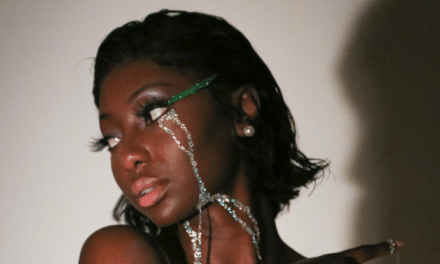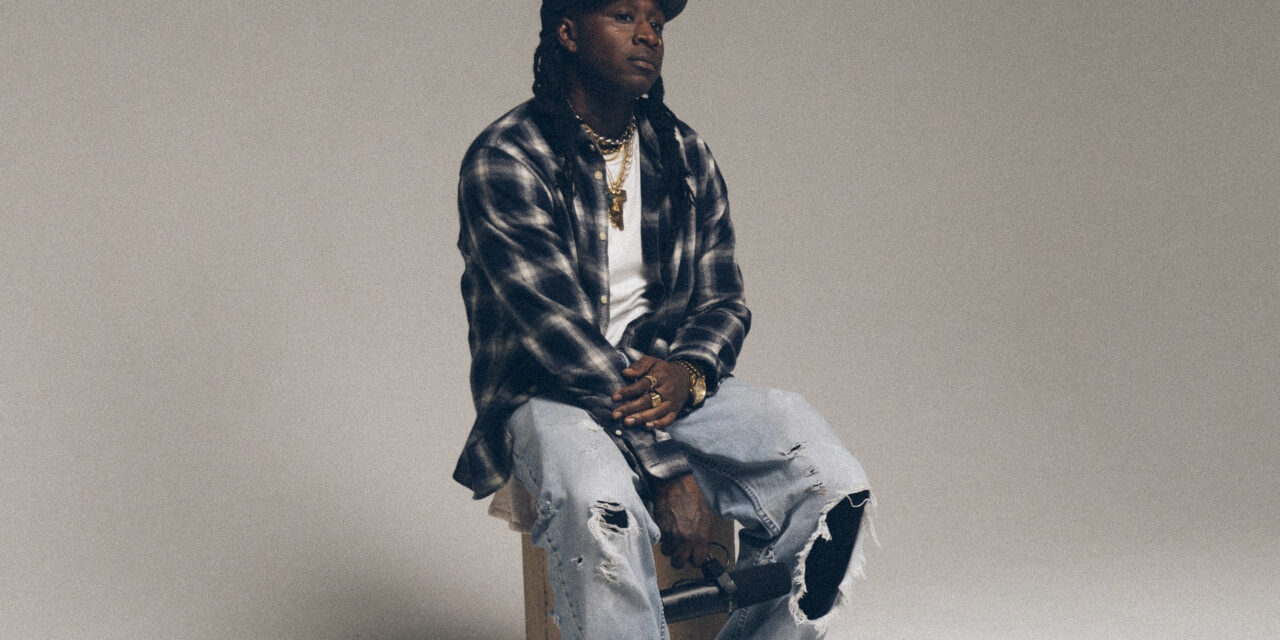
From composing immersive soundscapes for Balenciaga and the Brooklyn Botanic Garden to exploring love, heartbreak, and the mythology of New York, Harlem-based composer and artist Malloy James is bringing his architectural approach to sound into a deeply personal musical world. Across his companion albums Season 1 and Season 2, he explores how music can preserve the people, places, and versions of ourselves that time leaves behind.
Some memories don’t arrive as stories. They return as fragments.
The color of a sunset. A particular street in New York. A half-packed suitcase. A conversation you wish had ended differently. A song that suddenly transports you to a version of yourself you haven’t thought about in years.
For Harlem-based composer, sound designer, and recording artist Malloy James, these fragments are more than nostalgic details. They’re the foundation of his creative practice.
Best known for building atmospheric sonic environments for fashion, architecture, and immersive installations, James has developed a career exploring the relationship between sound, space, and human perception.
His work has accompanied runway presentations for Stance and Balenciaga, jewelry house Repossi, and installations involving the Brooklyn Botanic Garden and architect Suchi Reddy.
But with his companion albums Season 1 and Season 2, released October 23, James turns that same sensitivity toward something considerably more personal: his own memories.
“I make music to understand my own life,” he tells MUNDANE. “A lot of what I write is about moments I couldn’t see all the way around while they were happening.”
The result is a pair of projects exploring love, ambition, heartbreak, and self-realization through different musical languages.
Season 1 draws from rap, jazz, soul, and piano, while Season 2 creates room for rock and alternative influences.
“I wanted room to explore without being locked into one genre,” James explains. “Putting the same themes through two different sounds felt more like a conversation.”
Remembering Life Through Scenes Instead of Dates
For James, memory is rarely chronological.
Describing Season 1, he evokes rooftops at sunset, late nights in New York, gelato in Rome, and a duffle bag waiting on the floor.
These details suggest a collection of cinematic moments rather than a conventional autobiography.
“Memory is absolutely more powerful as a sense,” he says. “When memory is fragmented, it can be more poetic, more specific and, somehow, more universal.”
That distinction is central to his songwriting.
A factual account can tell us what happened, but a sensory detail can sometimes communicate how an experience felt.
James describes these fragments as portals, moments that invite listeners to enter their own memories alongside his.
It’s an approach that makes the songs feel simultaneously intimate and open-ended.
The people, places, and experiences may belong to James, but the emotional associations they trigger are different for everyone.
The Romantic Mythology of “Sunset Roof”
That philosophy comes into focus on “Sunset Roof,” a hazy, jazz-inflected meditation on romantic infatuation.
The song revisits a summer romance through the physical details of a house, a rooftop, and the lingering presence of someone who is no longer there.
But James isn’t interested in separating reality from the stories we construct around it.
“The details are real: the color of the sunset on the roof, what was said, what wasn’t,” he explains.
At the same time, the song allows him to revisit moments from different perspectives, including the things he wishes he’d said or done.
“Putting one in a song is how I figure it out, and once it’s down, I can let it go.”
James also directed the accompanying music video, recreating the environment in which the memory exists.
“I wanted to build the house, the light and the roof myself, so you could walk through the memory with me.”
For an artist accustomed to designing sonic environments, the idea of a song as an inhabitable space feels entirely natural.
When Sound Becomes Architecture
James’ background is unusually expansive.
Trained in classical composition and sound engineering, he has worked across concert music, immersive installations, fashion, and architectural environments.
His projects include work for Lexus International, the National Building Museum, and the Miami Design District, alongside artist residencies in Finland, Germany, and the United States.
Across these disciplines, one question has remained consistent: how does sound change the way people experience a space?
“Sound is tied to memory more closely than any other sense,” he says.
For James, composing a rap song isn’t fundamentally separate from designing an installation.
Both involve constructing an emotional environment through rhythm, texture, atmosphere, and movement.
“I want these songs to be places people can visit, where their memories mix with mine.”
Interestingly, stepping into the role of vocalist wasn’t an uncomfortable transition.
James has been rapping since he was twelve or thirteen, long before his professional work in sound design.
“Sound design was the harder discipline, because you have to tell a story without words,” he explains.
The albums bring those two creative instincts together: the storyteller who uses language and the composer who understands how atmosphere can communicate what words cannot.
Luxury, Heartbreak, and the Contradictions of New York
Throughout Season 1, James juxtaposes romantic longing with the visual language of fashion, travel, and luxury.
Titles such as “Margiela Duffle” and “Crying In Chanel” suggest a world of beautiful surfaces concealing complicated emotional lives.
James is fascinated by that contrast.
“You’re in Paris during fashion week, surrounded by beautiful people and buildings, and that’s exactly where you feel the anger, the sadness, the ambition.”
The contradiction speaks to something broader about contemporary culture.
The environments we construct around ourselves can communicate confidence, taste, and success while revealing very little about our internal experiences.
“You can be at the highest high with someone, experiencing the smoothest luxuries, and have her break your heart in the same week,” James says.
Rather than treating these opposing realities as incompatible, he allows them to coexist.
Beauty doesn’t eliminate heartbreak. Sometimes it simply becomes part of the memory.
Unlearning the Rules to Find a New Voice
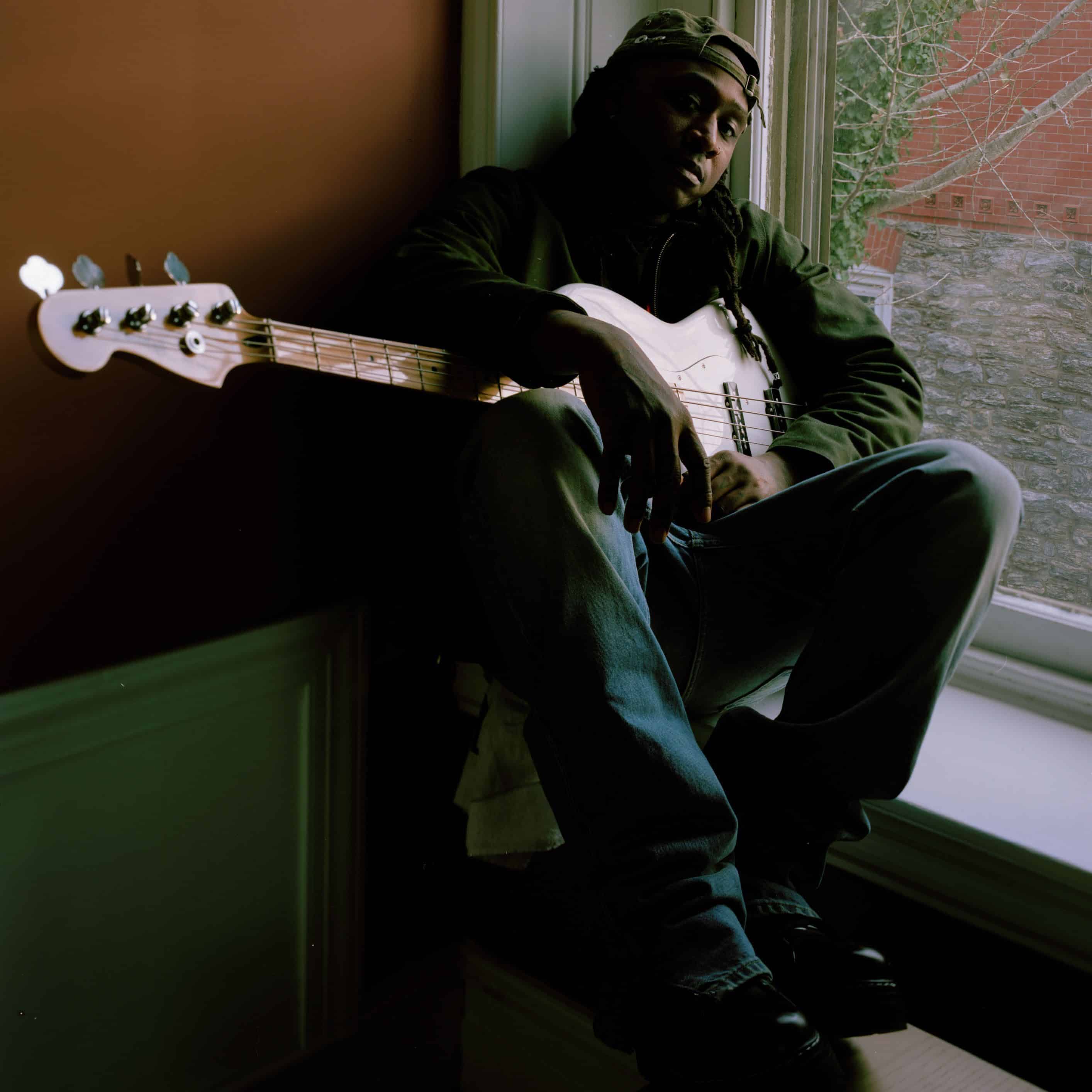
Although James’ classical training informs his approach to composition, he admits that formal knowledge can sometimes interfere with creative instinct.
“The training gave me the craft, but these days I barely reach for it consciously,” he explains.
“Rules can hold you back when you’re trying to make something that feels alive.”
That willingness to move beyond familiar structures also explains the decision to create two companion albums.
While Season 1 allowed James to explore one musical identity in depth, Season 2 gave him the freedom to reconnect with rock and alternative influences that had always existed within his work.
“One of the first songs I ever put out, ‘Death Can Wait,’ was rap over guitar,” he recalls. “I always knew that side was part of me.”
The most important discoveries, he says, happened between the two records.
“I learned the most in the space between the two.”
Rather than defining his artistic identity through a single genre, James uses the albums to explore how different sounds can reveal different dimensions of the same person.
Preserving What Time Takes Away
James is currently developing Atlas, an ambitious project mapping sound and music to specific places and moments in time.
The concept extends the questions already present throughout his artistic practice.
His immersive installations explore how environments can be experienced through sound. His albums examine how personal memories can be reconstructed through music.
And Atlas approaches those ideas through geography and chronology.
“The scale changes, but the question is the same,” he explains. “How do you hold onto a place, or a moment, or who you were, after it’s gone?”
It’s a question that feels particularly relevant in a culture where memories are increasingly documented but not necessarily understood.
We can photograph almost everything, preserve conversations indefinitely, and revisit places through digital archives.
Yet none of those technologies can fully recreate the emotional experience of being there.
For James, music offers something different.
It doesn’t reproduce the past exactly. It allows the past to become emotionally accessible again.
And perhaps that’s what makes Season 1 and Season 2 more than a pair of albums about romance and nostalgia.
They’re attempts to understand how identity is shaped by the places we’ve inhabited, the people we’ve loved, and the moments we can never experience in quite the same way again.
“Sound is the best answer I’ve found,” James says.
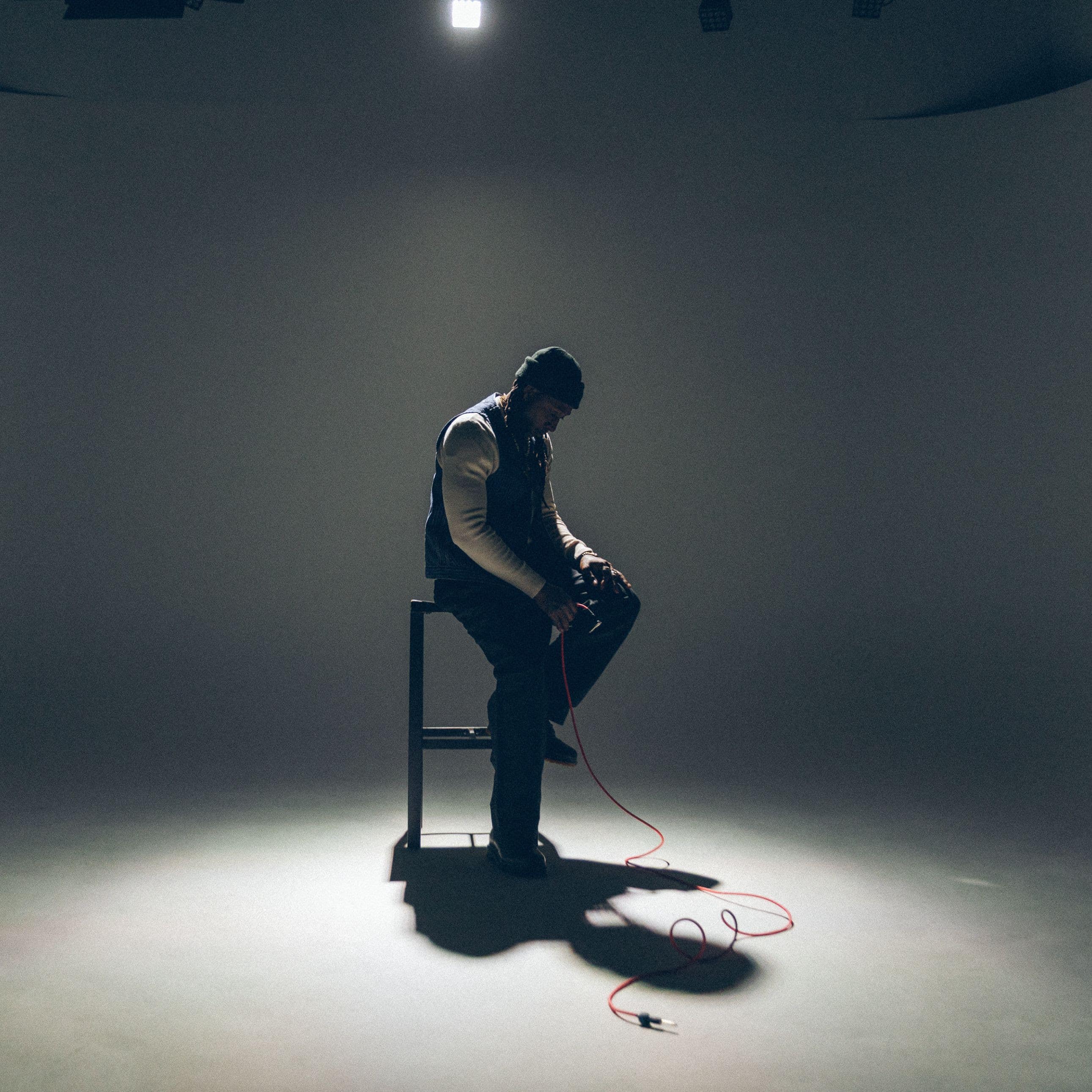
In Conversation With Malloy James
MUNDANE: Season 1 and Season 2 arrive as companion albums exploring memory, love, heartbreak and self-realization from different perspectives. Why did these ideas need to exist as two records in conversation with each other rather than one larger body of work?
Malloy James: I wanted room to explore without being locked into one genre. Season 1 lives in rap, samples and piano. Season 2 gives rock and alternative the space they deserve. Putting the same themes through two different sounds felt more like a conversation: the same person, the same memories, seen from different angles and in different contexts.
MUNDANE: You describe Season 1 as remembering a year through scenes rather than dates—rooftops, late nights, gelato in Rome, a half-packed duffle bag. Do you think memory is ultimately more truthful when it’s fragmented and sensory rather than when we try to reconstruct exactly what happened?
Malloy James: Yes—memory is absolutely more powerful as a sense. When memory is fragmented, it can be more poetic, more specific and, somehow, more universal. Rather than recalling things as facts, it’s a different kind of accuracy. Sometimes the fragments get a lot closer to what something felt like, and they’re highly specific to you while still being something anyone can connect to. A fragment feels like a portal into a memory rather than a beat-by-beat account, and that portal opens things up in a way that’s really exciting to me.
MUNDANE: “Sunset Roof” takes something almost rom-com-level romantic and places it over this hazy, evaporating jazz-inflected production. When you’re writing about infatuation, are you interested in capturing what actually happened or the mythology we create around what happened?
Malloy James: Both. The song walks through a summer house, looking back on a romance that faded, and the details are real: the color of the sunset on the roof, what was said, what wasn’t. That’s what makes it land. But the songs on these albums are characters, and every one of them is me at some point: other lives, other situations, things I wish I’d said or done, things I didn’t.
That’s where the mythology comes in. I make music to understand my own life, and a lot of what I write is about moments I couldn’t see all the way around while they were happening. Putting one in a song is how I figure it out, and once it’s down, I can let it go. It’s also why I directed the video. I wanted to build the house, the light and the roof myself, so you could walk through the memory with me.
MUNDANE: Your professional life has involved composing sound for architecture, fashion, exhibitions and physical environments. When you started building these albums, did you approach a three-minute rap song almost like another kind of space—something the listener should be able to mentally walk inside?
Malloy James: Sound is tied to memory more closely than any other sense, and working with architects and designers taught me that: the energy a sound creates, what it triggers, what it leaves you with. I started with tones and textures that feel familiar and soothing and built a landscape from there. Sound lets you time-travel, back to a different point in your life or forward to a version of yourself you haven’t met yet. I want these songs to be places people can visit, where their memories mix with mine.
MUNDANE: Your sound-design work requires you to think about how audiences physically move through environments, while rap puts your own voice and personality directly at the center. Was becoming the narrator rather than the invisible architect of the experience creatively uncomfortable at first?
Malloy James: Not at all. I’ve been rapping since I was 12 or 13: backyards, parties, cyphers in school hallways. Sound design was the harder discipline, because you have to tell a story without words. The chords, the keys, the instruments have to carry every phrase. So for me it went the other way around.
MUNDANE: Season 1 is steeped in jazz, soul, boom-bap and the romantic mythology of New York, while its stories move through places like Harlem and Rome. What fascinates you about the relationship between place and memory, and why can a particular street, room or city become inseparable from a person we once knew?
Malloy James: Place and memory feed each other. A memory makes you want to go somewhere, and a place brings a memory back. We all have triggers, something we see, hear, smell, that puts us right back in a moment. What fascinates me is that the trigger is universal and the memory isn’t. Everyone may have heard the same chord, but every one of us connects it to a different place, a different time, and a different person. Usually there is an emotional register it sits in, and the universality and specificity of that is fascinating to me.
MUNDANE: The album repeatedly brings ambition, taste and luxury into contact with much messier emotions—there are references to Margiela and Chanel alongside heartbreak, ego and reckless infatuation. Are you interested in the contradiction between the beautiful lives we curate and the emotional chaos happening underneath them?
Malloy James: Yes. I’ve always liked that tension between rough and smooth. You’re in Paris during fashion week, surrounded by beautiful people and buildings, and that’s exactly where you feel the anger, the sadness, the ambition. You can be at the highest high with someone, experiencing the smoothest luxuries, and have her break your heart in the same week. Heartbreak isn’t fun while it’s happening. But once you’ve survived it, there’s something thrilling about telling the story.
MUNDANE: You’re classically trained in composition and sound engineering, yet these records also rely on instinct, swing, sampling and rap. Has your formal training ever become something you’ve consciously needed to forget in order to make music that feels immediate?
Malloy James: Yes. The training gave me the craft, but these days I barely reach for it consciously. Rules can hold you back when you’re trying to make something that feels alive. The best music comes from the things that make you curious, the ideas that don’t fit a box. I had to unlearn some of it to get there.
MUNDANE: Across your installations and commissioned work, you’ve often created sound to complement someone else’s architecture, fashion or narrative. With Season 1 and Season 2, you’re constructing the entire world yourself. What have you discovered about your own artistic identity now that nothing else needs to be the main event?
Malloy James: You learn about yourself when you step out of a box you put yourself in. That’s how I ended up with two seasons. Season 1 is a box I chose, and I went so far into it that it gave me the confidence to experiment on Season 2. I learned the most in the space between the two. One of the first songs I ever put out, “Death Can Wait,” was rap over guitar. I always knew that side was part of me. These records showed me how central it is.
MUNDANE: You’re also developing Atlas, which maps sound and music to space, place and time, while these albums already feel deeply concerned with those same ideas on a personal level. Do you see all of these projects as different expressions of one larger obsession: understanding how sound can preserve places, people and versions of ourselves that no longer exist?
Malloy James: Yes. Atlas does it with coordinates and dates, mapping music to a specific place and time. The soundscape I’m making for Casa Mouda’s aiMe Gallery in Lagos does it for a creative space. Season 1 and Season 2 do it for a person, mostly me, at versions of my life I can’t go back to. The scale changes, but the question is the same: how do you hold onto a place, or a moment, or who you were, after it’s gone? Sound is the best answer I’ve found.
Season 1 and Season 2 were released October 23, 2026.