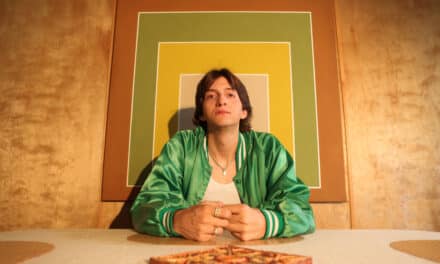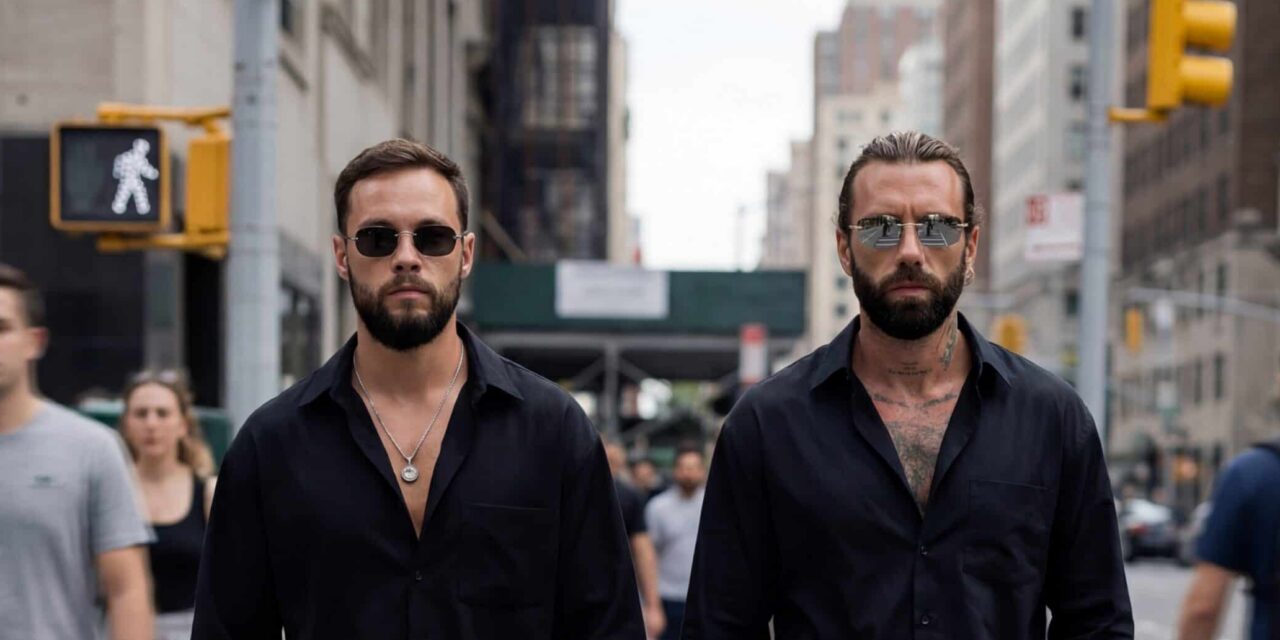
With SUNORA, the duo of Alar & Chertkovski aren’t simply launching another melodic house project — they’re building an immersive philosophy rooted in movement, atmosphere, and emotional connection. Their sound blends analog warmth, disco grooves, sensual vocals, and cinematic storytelling into something designed equally for rooftop sunsets, open-air gatherings, and inward reflection.
Alongside the launch of their label and creative platform SUNCTURE, SUNORA’s debut EP Echoes of Light signals the beginning of a broader artistic ecosystem where music, nature, spirituality, and community intersect.
We spoke with the duo about transformation, intentionality, club culture, and why they see electronic music as something capable of much more than escapism.
Q: Launching a new artist project and a record label almost simultaneously suggests a desire for total world-building. Why was it important for SUNORA and SUNCTURE to begin hand in hand?
SUNORA:
For us, SUNORA and SUNCTURE have never been separate things. SUNORA is the sound, while SUNCTURE is the space where that sound can truly live. One is artistic expression; the other is the philosophy and ecosystem built around it.
We didn’t want to just release tracks — we wanted to create an entire world people could step into. A place where music, experience, community, nature, and inner transformation coexist. Launching them at the same time felt natural, because they stem from the same intention: to create something greater than entertainment — a true movement.
Q: Echoes of Light is a striking title — both expansive and intimate. What emotional or spiritual space were you trying to create with this EP?
SUNORA:
Echoes of Light is about those moments when something inside you shifts almost imperceptibly — yet changes everything. It’s about remembering something you’ve always known, but lost in the noise of everyday life. We wanted this EP to feel like a journey inward, while at the same time something expansive and uplifting.
For us, light represents awareness, clarity, and connection. Echoes are the lingering traces of those states that stay with you. Emotionally, it’s a very intimate work — but spiritually, it opens up space.
Q: Your debut release arrived alongside Lee Burridge on All Day I Dream. How did that first chapter shape the confidence to now build something independently?
SUNORA:
Our first release with Lee Burridge on All Day I Dream was an important validation for us. It showed that the emotional language we believe in has a place on the global stage. Lee has always embodied a deeply human and soulful side of electronic music, so starting this way gave us confidence in our direction.
At the same time, it made us realize that if we want to go deeper, we need a home of our own for this idea. That confidence came not only from external recognition, but also from the understanding that this path is real.
Q: Many artists start labels for business reasons, but the strongest ones begin with a philosophy. What does SUNCTURE stand for beyond simply releasing music?
SUNORA:
SUNCTURE is about symbiosis — between humans and nature, humans and technology, the inner world and external reality. It’s not just a label, but a philosophy of conscious creation. We believe music can be a tool for alignment, not just entertainment.
Beyond releases, SUNCTURE is about experiences, retreats, education, and building a community of people searching for something deeper. The goal is not content consumption, but transformation.
This is the true foundation of it.
Q: SUNORA feels like a newly formed identity rather than just a collaboration. How did you know this partnership had its own voice distinct from your individual histories?
SUNORA:
It happened at the moment we stopped trying to merge two separate identities and began listening to what naturally emerges between us. SUNORA was never conceived as just a “collaboration.” It felt more like a third entity coming to life — something neither of us could have created alone.
The emotional tone, the storytelling, the balance between organic and electronic elements — all of it quickly developed a character of its own. That’s when we realized this wasn’t just a joint project between two artists, but a new voice that wants to exist.
Q: Electronic music often lives between escapism and introspection. Where does Echoes of Light sit for you — dancefloor release, inner reflection, or both?
SUNORA:
Definitely both. For us, the best moments on the dancefloor are never purely physical — they always carry emotional release as well. Echoes of Light was written for movement, but movement with meaning.
It matters to us that people dance while also feeling something deeper opening within. Sometimes the dancefloor becomes a place of meditation, even if you’re not consciously aware of it. That balance between outward energy and inward immersion is exactly where this EP lives.
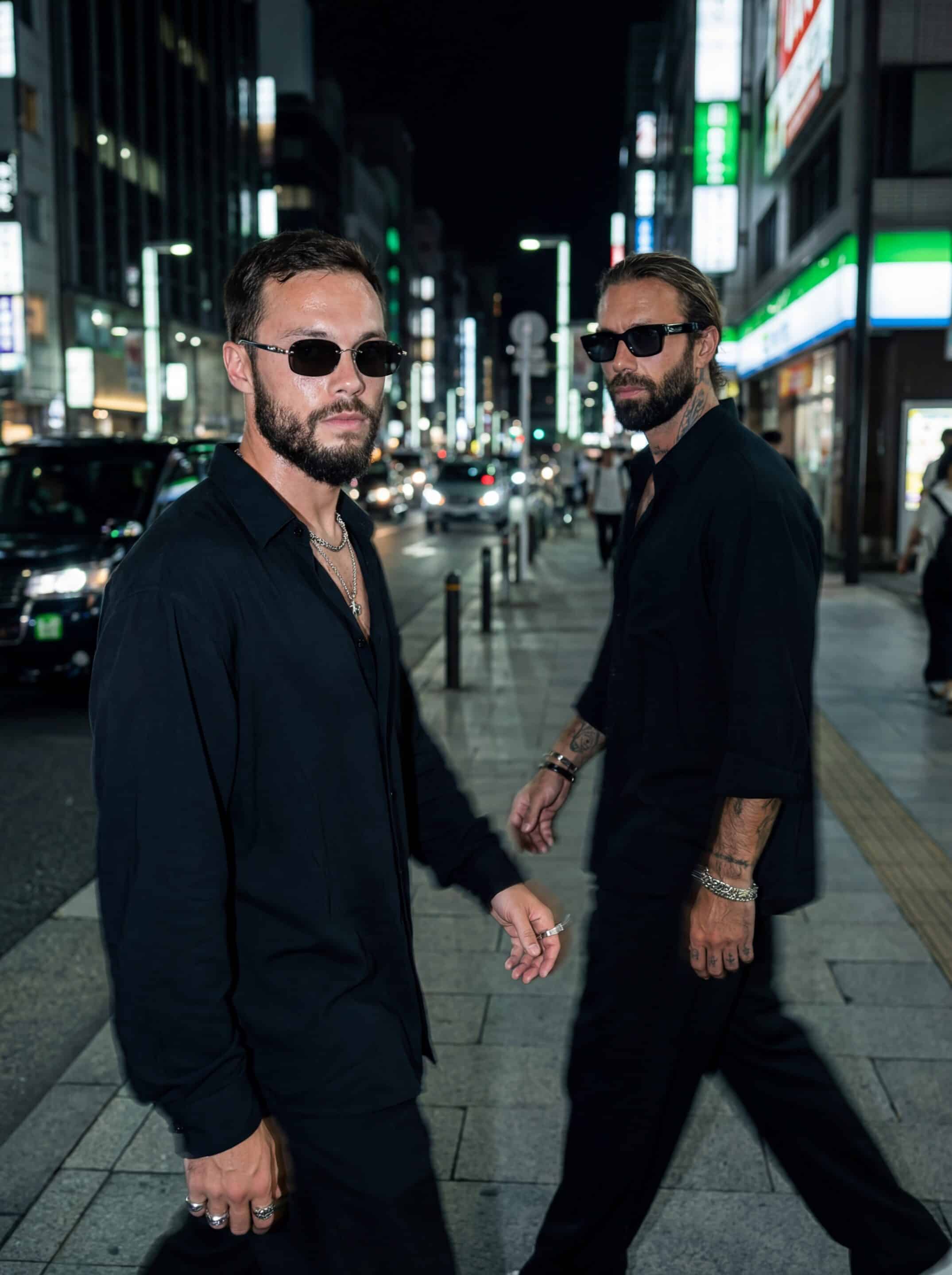
Q: There’s something cinematic in the language around your project — echoes, light, sanctuary, movement. Do visuals and atmosphere come before the tracks, or after?
SUNORA:
Usually — before. The music begins long before the studio: with a feeling, an image, sometimes even a place or a certain kind of light at sunset. Visuals, for us, aren’t decoration — they’re part of the same language.
Often, we already know the emotional landscape before the first note is written. The track becomes a translation of that atmosphere into sound. So yes, that cinematic quality is there from the very beginning.
Q: In an era of constant digital noise, launching something curated and intentional can feel radical. Was creating your own platform partly a response to that oversaturation?
SUNORA:
Absolutely. There’s too much content today and too little meaning. Everyone is constantly releasing, posting, promoting — but not always asking why. We wanted to create something slower, more intentional, and more curated. A platform where the quality of energy matters more than the quantity of content.
In that sense, SUNCTURE is truly a response to oversaturation — not by rejecting the modern world, but by bringing a greater level of awareness into it.
Q: As collaborators, how do you navigate tension or contrast in the studio while protecting the emotional coherence of the music?
SUNORA:
Tension in the studio is actually useful — as long as both people are defending not their ego, but the truth of the music. We trust that if a disagreement arises, it means the track itself is asking for greater clarity. The key is to listen: to each other, but first and foremost to the music.
We try not to force decisions. Sometimes the best solution appears when you stop controlling and allow the track to show what it needs. Emotional integrity always comes first.
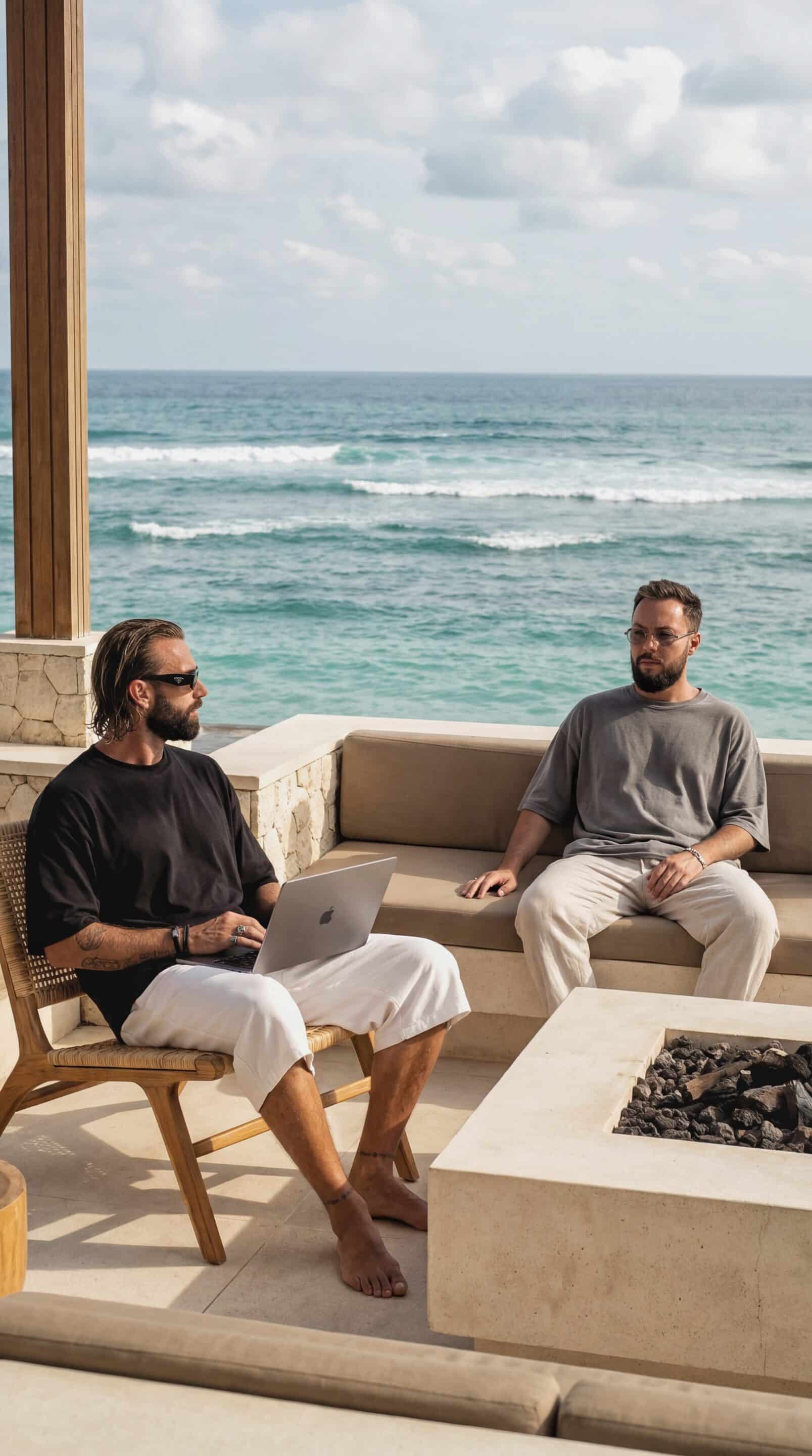
Q: If this EP is the opening statement for both SUNORA and SUNCTURE, what do you most want listeners to understand about where you’re heading next?
SUNORA:
It’s important for us that people understand: this is only the beginning of a much larger vision. This EP is an invitation, not a conclusion. We’re moving toward creating experiences where music becomes part of a broader journey — retreats, gatherings, deep artistic collaborations, and spaces where people reconnect with themselves.
The sound will evolve, but the intention will remain the same: to create beauty that helps people remember who they are.