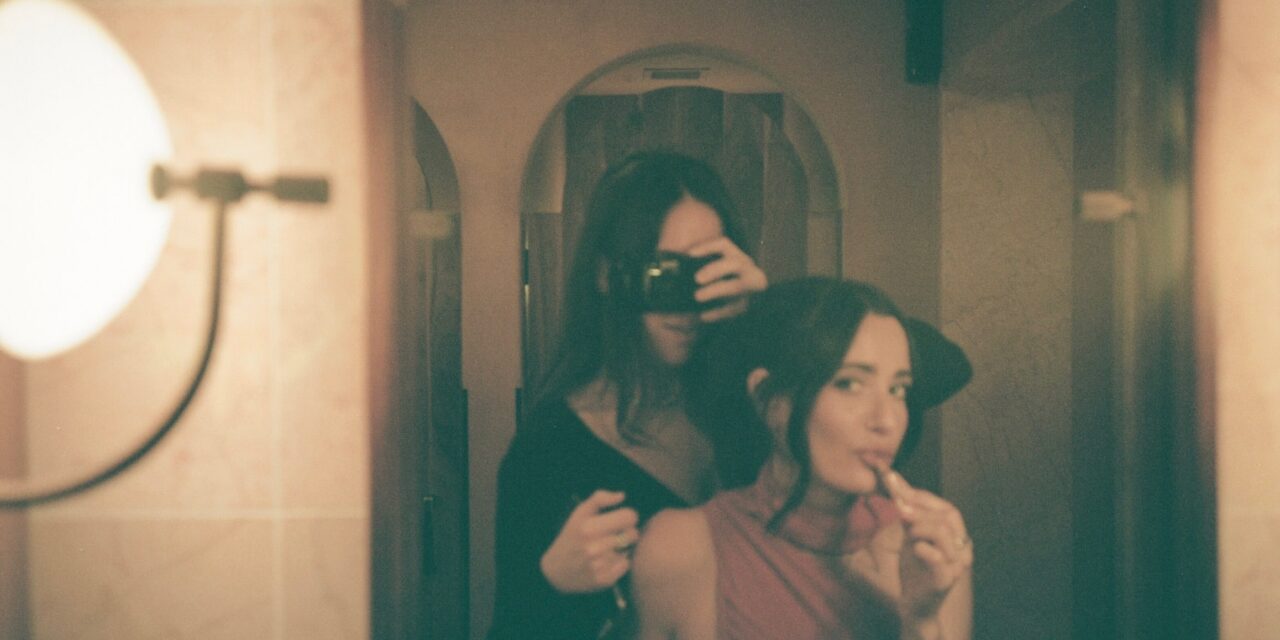
photo credit Maya Avezier
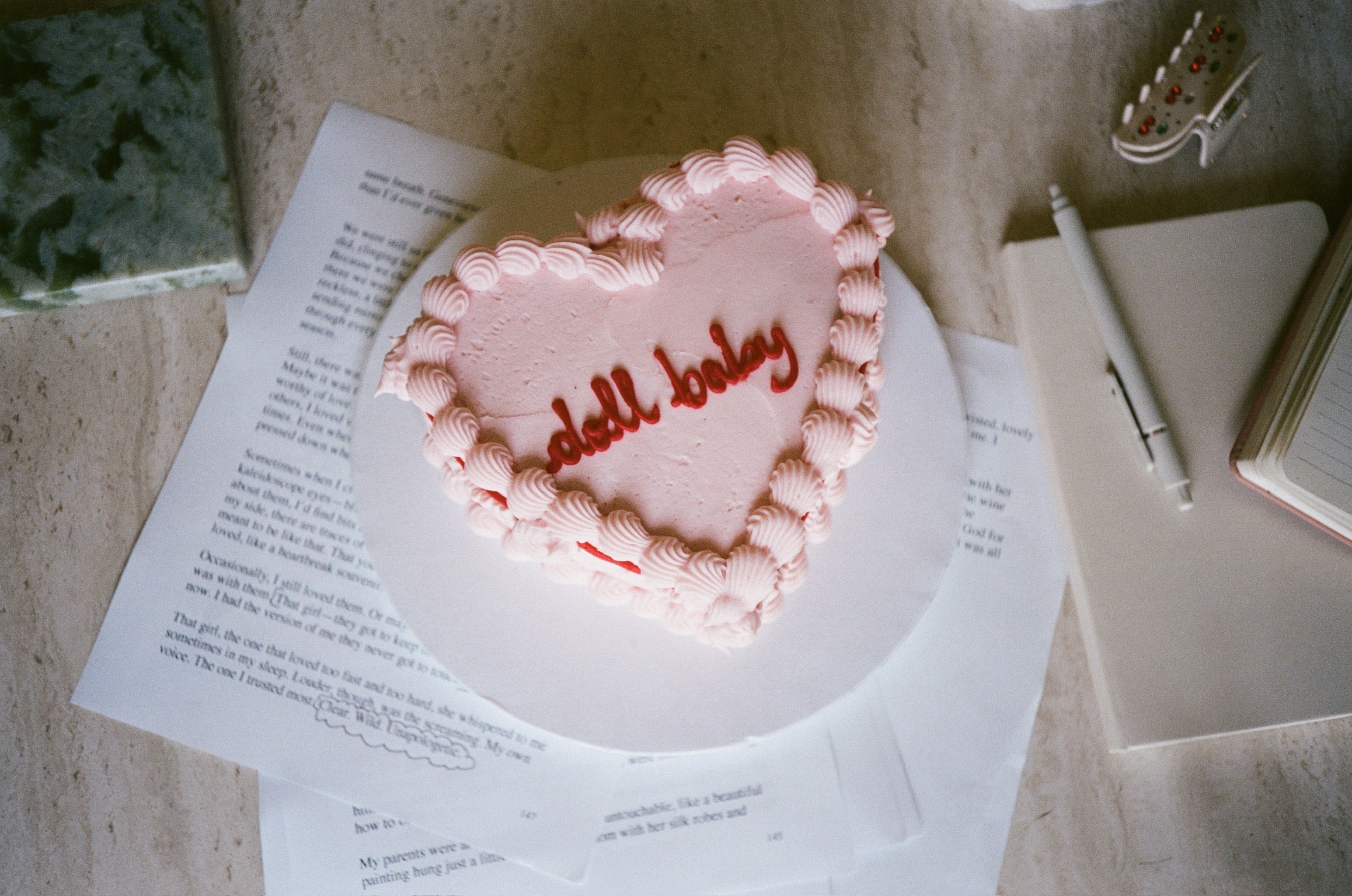
With her debut novel DOLL BABY, Emily Singer enters the literary world with a voice that feels both intimate and sharply observant. Set between the San Fernando Valley and the mythologized glow of Hollywood, the novel follows Jolie across a decade of becoming, tracing the emotional tension between self-invention, performance, desire, and identity.
Lyrical without becoming indulgent, DOLL BABY captures contemporary girlhood in all its contradictions: fragile and brutal, hyper-visible yet deeply lonely, romantic yet emotionally self-aware. Through bedrooms, rooftop parties, dorm rooms, and transient emotional landscapes, Singer explores what happens when a young woman slowly stops waiting to be chosen and begins choosing herself instead.
We spoke with Emily about the emotional architecture of the novel, the mythology of Los Angeles, femininity and contradiction, and the quiet terror of trusting your own creative voice.
Q: When did you realize Jolie’s story was about choosing herself rather than being chosen?
Emily Singer:
I think I was naturally leaning into my own experiences of girlhood and that was the overarching lesson, but it wasn’t a decision as much as something that revealed itself over time.
Q: The book moves through bedrooms, parties, dorm rooms, rooftops—spaces that feel transient but emotionally loaded. What draws you to these in-between settings as places of transformation?
Emily Singer:
I’m drawn to the normality of those spaces. They’re familiar, almost mundane. But they hold so much emotional weight because they’re where things actually happen. So in that sense, they felt honest and still transitory. You’re just passing through them.
I liked placing those alongside more mythologized settings like Chateau Marmont, or parties in the Hollywood Hills. There’s a contrast between the everyday and the cinematic, but emotionally, they carry the same charge.
Q: Jolie is intensely aware of how she is seen. Do you think modern girlhood is increasingly shaped by performance, or has that always existed in different forms?
Emily Singer:
It’s always existed because I believe that most people — especially girls — think about the way they’re being perceived. Now, it’s more granular because we have so many forms of social media, so the level of visibility has shifted.
It’s more constant now and there’s less separation between public and private selves. The instinct to perform or shape how you’re perceived by others is just human nature in my opinion.

Q: There’s a coolness to the prose that makes the emotional moments hit harder. How conscious were you of resisting romanticizing pain or chaos in the writing?
Emily Singer:
The coolness was definitely something I leaned into and I find myself constantly writing in that tone. Maybe it’s my signature, who knows.
For Jolie, it was important, because even though she is someone who’s able to articulate very well, she lacks the ability to genuinely process her feelings. That’s why she keeps making the same mistakes even though she’s usually aware that she’s making them.
She’s messy… she’s real and I think a lot of the time Jolie does romanticize the pain and chaos, until she’s gotten burned so many times that she stops running toward fire.
Q: Growing up between the San Fernando Valley and the mythology of Hollywood creates a very specific atmosphere of beauty, status, and illusion. How did that landscape shape your imagination as a writer?
Emily Singer:
I’m definitely not original in this, with iconic names like Eve Babitz and Joan Didion leading the way, but I do think that growing up in Los Angeles is a really specific experience.
The Valley felt expansive but ordinary, like any other small town… aside from the fact that you might be next door neighbors with an A-list celebrity, or go to school with their kids. Hollywood, on the other hand, always carried this sense of sophistication and allure.
It was easy to be imaginative after growing up in a place where Calvin Harris performed at my after-prom and I went to sleepaway camp with household names. Where high school house parties were where movies and reality TV shows were being filmed. I realize that I didn’t grow up in an average climate, to say the least.
Q: The novel spans ages fifteen to twenty-five — a decade where identity is constantly rewritten. What version of Jolie did you feel most protective of while writing her?
Emily Singer:
I think the harder-to-write moments, like chapter nineteen. There’s always a dichotomy between what she’s going through and how she’s processing it.
Q: DOLL BABY explores girlhood as something both fragile and brutal. Why do you think contradiction is so central to femininity and selfhood?
Emily Singer:
I think life is full of contradiction to some extent. We’re always riding out highs and lows, but girlhood is another thing entirely. Every feeling and emotion is heightened during that time.
We’re layered, especially women. For me, femininity and selfhood aren’t about resolving those contradictions, but about coming back into yourself within them. Choosing yourself, even when those impulses pull in different directions.
Q: As someone who also works in directing and production, do you approach scenes visually first, or does the emotional language arrive before the image?
Emily Singer:
It’s happened in both ways. Sometimes I’ll see a scene so clearly but have no context to the story or language yet. Other times, I’ll have words pouring out of me to describe something not fully tangible visually.
It definitely changes project to project, idea to idea.
Q: There’s a wider cultural conversation around girlhood in literature right now. What did you want your voice to add — or challenge — within that space?
Emily Singer:
There’s a line in the book where Jolie realizes how much of her inner world has been shaped around boys — thinking about them, writing about them, defining herself in relation to them. And then she has this quiet recognition that they’re actually the least interesting thing about her.
That shift felt central to me.
Not in a dismissive way — loving people, connection is why we were put on this Earth, I’m certain of it. But you are one of one. There is only one you. There can only ever be one you.
So how beautiful would it be if you loved yourself, chose yourself, in the ways in which you constantly do with others?
Q: If Jolie’s journey is ultimately about no longer waiting to be chosen, what has writing this book taught you about choosing yourself?
Emily Singer:
As much as it was Jolie’s journey, it was definitely mine as well.
Putting this book out was terrifying. I had to trust myself deeply and really let go of the outcome. There were times when I’d compare my voice to that of other writers, or find made-up reasons why people wouldn’t like my writing. I think every writer feels that way at some point in their career.
Getting past the fear and truly believing in my own voice was an example of me choosing myself, and I’m so grateful that Thought Catalog believed in me as well.
Choosing yourself isn’t a single decision or a moment in time — it’s something you have to do constantly. It’s more about awareness: recognizing when you’re slipping back into old patterns and choosing differently.