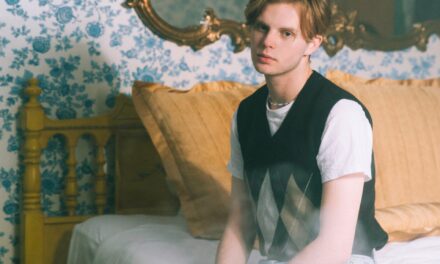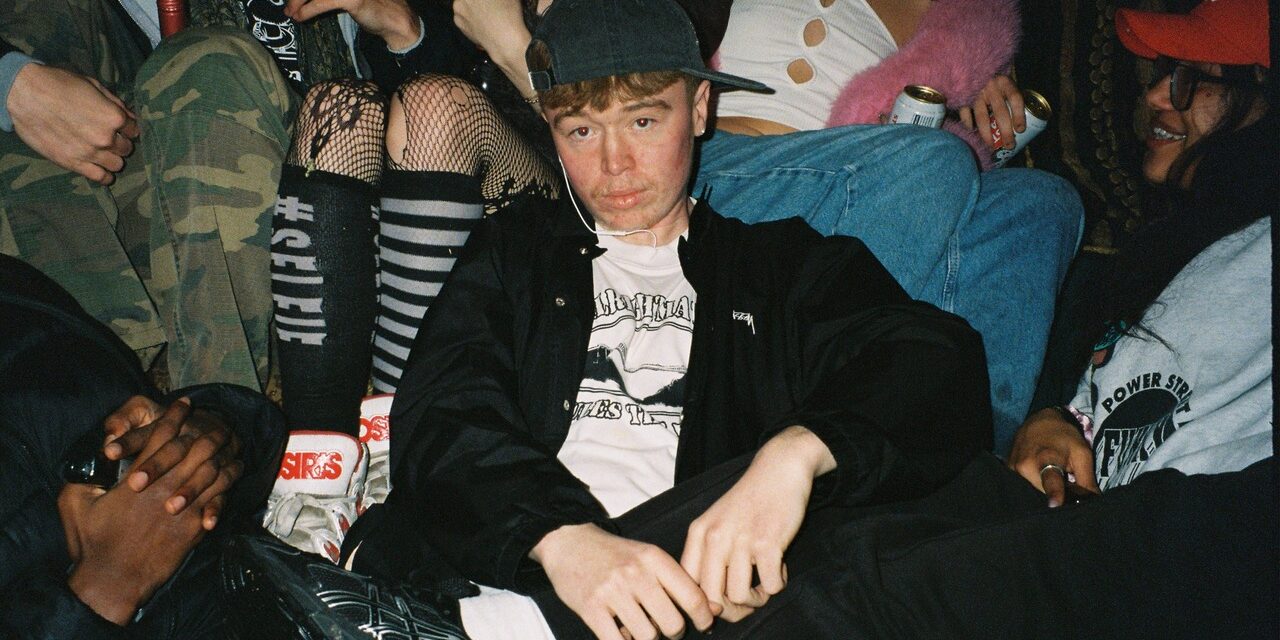
With his debut project 2020, Bristol artist Sabodi delivers an intimate portrait of youth in motion. Exploring love, identity, ambition, escapism, and self-discovery, the project balances melodic vulnerability with sharp lyricism, offering listeners a deeply personal introduction to one of the UK’s most exciting emerging voices. We caught up with Sabodi to discuss the meaning behind 2020, the realities of modern romance, and why embracing uncertainty might be the key to growth.
Q: 2020 feels like both a timestamp and a mindset. What does that title represent for you personally—memory, transition, or something you’re still unpacking?
Sabodi: 2020 was a pivotal year for me. It was the year I started making music, so honestly it’s probably the most important year of my life so far. The title also has a double meaning, that being 20/20 vision, as I describe my visions across the project.
Q: Across the project, you move between melody and straight rap with ease. Do you see yourself as a rapper who sings, or a vocalist who raps—or neither?
Sabodi: I’d say I’m a rapper who sings, as I built most of my following off rapping over iconic beats on Instagram and TikTok. Singing is a very recent thing for me. I’m still learning while feeling a lot more comfortable in my rap abilities too.
Q: “Flower$ In The Rain” captures something tender but uncertain about love in the city. Why do you think romance feels more fragile in modern urban life?
Sabodi: I think romance is more fragile in modern life due to social media. Expectations and standards are too high because people are constantly seeing fake lives online. Because of that, it can be hard for people to settle down and stick with one person. I reckon people should just live in the real world more.
Q: There’s a recurring theme of transformation—from “Love Junkie” to “Rehab Luv” to “Butterfly Girl Yellow.” Were you consciously mapping out emotional evolution across the project?
Sabodi: Honestly, the project was made over such a long period of time. During each song I was in a completely different place emotionally and personally. When it came time to put the tracklist together, I did try to map it out in a way that moved cohesively. I hope listeners can pick up on that journey.
Q: You touch on escapism, substances, and desire without glamorizing them. Was honesty more important than image when telling these stories?
Sabodi: Yes, definitely. I wanted the project to be as raw as possible so people could connect to it. When artists focus too much on image, it can be difficult for audiences to connect with the music. The main goal of 2020 is to make people feel something, whatever that emotion may be.
Q: There’s a conversational quality to your delivery that feels almost like spoken diary entries. Do you write with performance in mind, or just emotional release?
Sabodi: I’d say it’s a bit of both. Of course, I write with performance in mind. I want my delivery to be clean and clear, and I’m always thinking about how songs will sound with a live band and in front of an audience.
But mainly, I write for emotional release. I truly believe making music is a form of therapy. It’s the greatest way to express yourself. I really wanted people to hear the real me on 2020, something I’ve never fully done before. I was definitely nervous putting it out, but I’m grateful it’s out there now.
Q: Coming out of Bristol and performing at festivals like Glastonbury and Boomtown early on, how has the live experience shaped your identity as an artist?
Sabodi: It definitely built my confidence very quickly. I’m very grateful to THE BACKBONEZ collective because during the summer of 2024 they brought me through to multiple festivals across the UK.
It was my first time performing with a live band and I had to learn quickly. Now I can confidently say I much prefer playing with a live band than anything else. Boomtown had the biggest crowd and the energy was through the roof. There’s a feeling when you’re performing with a live band that I honestly can’t describe.
Q: The project captures a kind of restless youth energy—searching, falling, recalibrating. Do you think that instability is something to escape or something to embrace?
Sabodi: I think it’s something to embrace. Growing up in Bristol, you feel all of those things quite often, but that’s just part of growing up. It shapes who you become.
If you spend your whole life trying to escape those feelings, you might never live to your fullest potential. Everything that’s happened to me—good or bad—has made me who I am today. I never would have made 2020 without those experiences. I’m grateful for all of it.
Q: The project feels deeply personal, but also universal. Was there ever a fear that being this vulnerable would expose too much?
Sabodi: Of course there was some fear. I think any artist feels that when they’re putting their most honest work into the world. But at the same time, that’s the whole point. If people can hear themselves in these songs, then being vulnerable is worth it. I wanted listeners to connect with the emotions rather than just the image.
Q: If 2020 is your introduction, what do you want people to understand about who Sabodi is beyond the music?
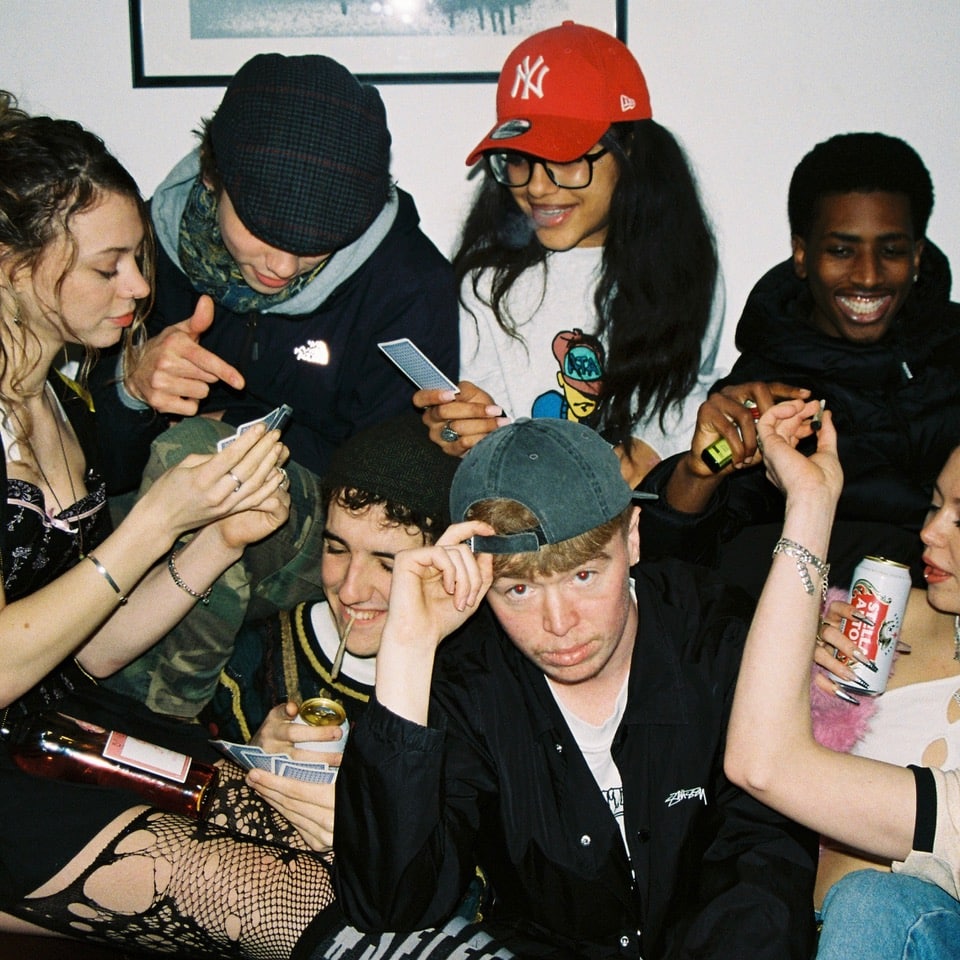
Sabodi: Beyond music, I’m just a guy who loves having a good time. Especially in Bristol, partying has been a big part of my life. I spend about 90% of my time with the huge friendship group I grew up with—you actually see them in a lot of my content.
I try to spread as much positivity as possible because there isn’t really much more to life than that. 2020 is just the introduction. I’m super excited for people to hear what I’ve got in store next.
This really is only the beginning.