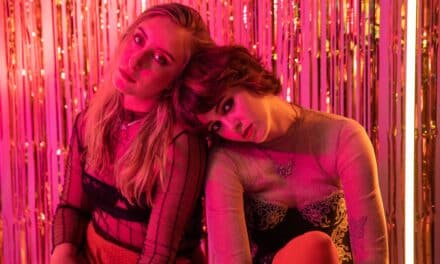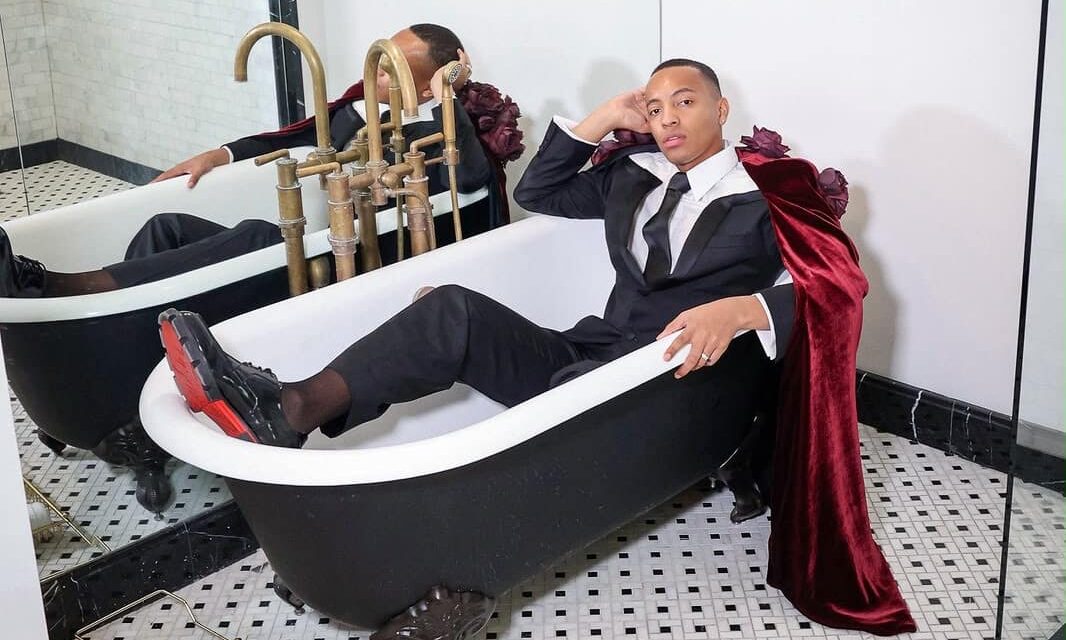
Credit: Roberto Hannibal (IG @ptcameraguy)
Entertainment journalism no longer moves at the speed of television schedules, print deadlines, or the morning-after recap. It unfolds continuously, shaped by short-form video, live reactions, red carpet clips, fan communities, and creators who can turn a cultural moment into a conversation within minutes.
For millions of younger viewers, following pop culture no longer necessarily means watching every awards show, reality series, or press junket in full. It means finding a trusted voice who can identify the moments worth knowing, provide context, and explain why they matter.
Asante Madrigal has become one of those voices.
A red carpet correspondent, creator, and host, Madrigal has built a multi-platform audience of more than two million followers through accessible, personality-driven entertainment coverage. His work moves fluidly between Love Island commentary, celebrity interviews, awards-season reporting, international press tours, fashion, and cultural analysis.
His career reflects the rise of a new kind of media personality: part journalist, part host, part critic, and part independent creative brand.
Madrigal originally studied journalism at San Diego State University with the goal of becoming a traditional news anchor. When the pandemic eliminated many of the internships and entry points he had expected to pursue, TikTok became an unexpected newsroom. What began as digital experimentation developed into a career covering the Grammys, the Oscars, film premieres, and major entertainment releases for audiences increasingly consuming culture through social platforms.
He has since worked with companies including Netflix, Amazon, TikTok, and NBCUniversal, and recently joined the global press tour for The Boys, interviewing cast members across international stops. His interview series, Hyperfixating, places personality and genuine fandom at the center of celebrity conversations, moving beyond the rigid promotional language of traditional press formats.
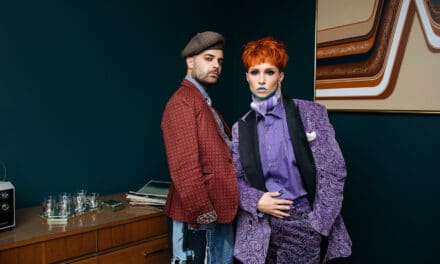
Madrigal’s public identity is equally shaped by fashion. Through carefully constructed red carpet looks, he treats menswear as another form of cultural commentary—challenging the predictability of formalwear while blending masculine and feminine references with precise tailoring.
As a Black, Mexican, and LGBTQ+ creator, he also understands that visibility is not simply about appearing on screen. It is about showing younger audiences that their interests, identities, and perspectives can become the foundation of a legitimate career in entertainment.
We spoke with Asante Madrigal about the collapse of traditional press cycles, the power of creator-led journalism, celebrity interviews in the age of fandom, and why the next generation of hosts may be building companies rather than waiting behind microphones.
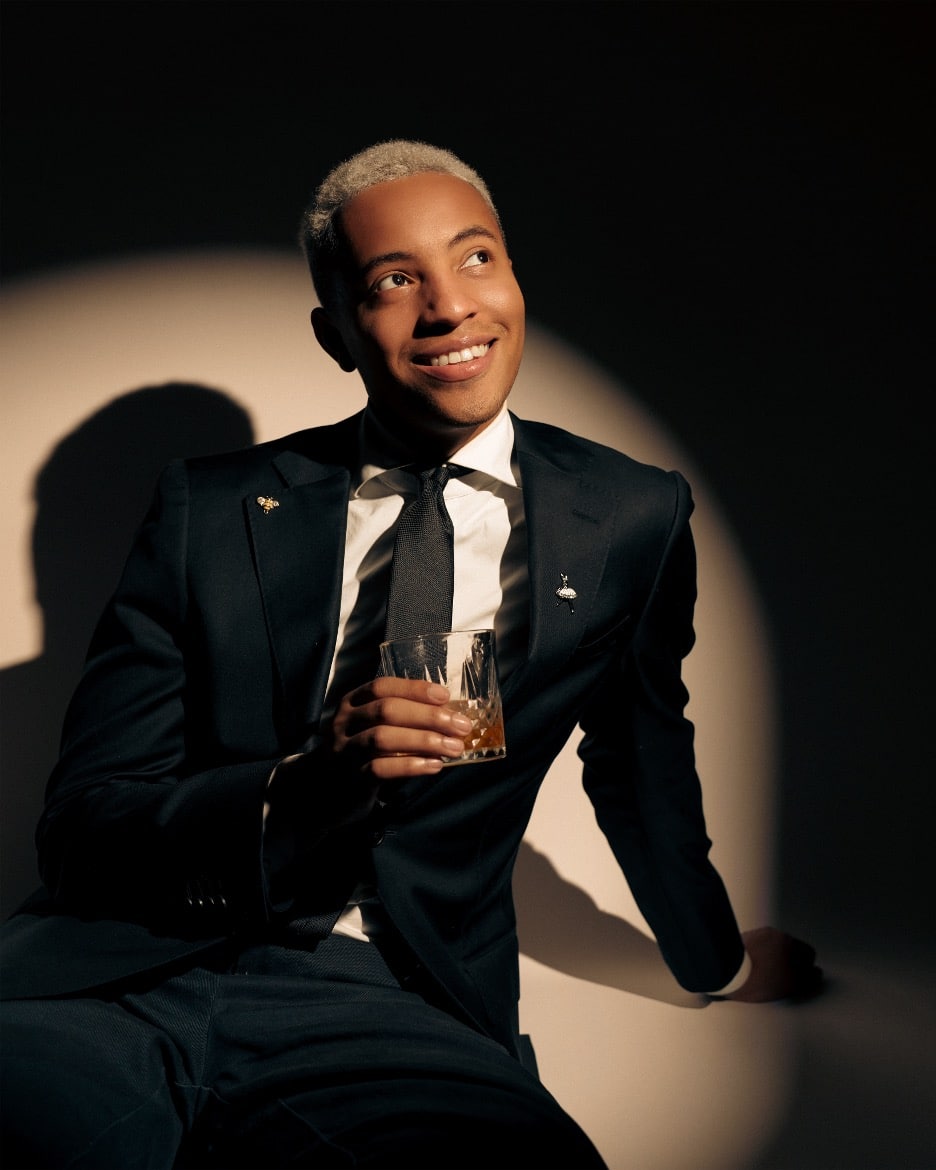
Photographer: Dario @d.vision_ on IG)
You originally planned to become a traditional broadcast journalist, but the pandemic and TikTok completely changed your trajectory. Did becoming a creator allow you to tell stories in ways traditional media could not?
I think it’s a mixture of both.
I went to college and studied traditional journalism, and I think that foundation is visible in my content. At the same time, I love being a creator because there aren’t strict guidelines dictating how you have to cover a television show, film, or event.
My goal has always been to humanize talent and actors. That can happen through behind-the-scenes content, interviews, showing how much work goes into promoting a project, or discussing the latest pop culture and reality television moments.
Being a creator gives me the flexibility to do all of that.
The coolest part is being able to share my own opinions. At a traditional media outlet, you often have to remain focused strictly on the facts.
I still bring a sense of traditional journalism to my work because of my communications education at San Diego State, but I also get to be creative in ways traditional media doesn’t always allow.
Your content shows that many people no longer watch every awards show or reality series themselves. Instead, they follow someone who explains why the key moments matter. How has that changed the relationship between entertainment, journalism, and audiences?
There is so much content available and so much happening every day.
People have families, relationships, and jobs. It’s impossible to keep up with everything.
We live in an era where creators have become curators of the information people consume. We identify the biggest moments, explain why they matter, and sometimes even bring audiences directly into the experience.
That’s how I see my role.
My brother doesn’t really follow entertainment, and he’ll tell me, “I didn’t even know the Grammys were happening, but I watched your video, and now I know who won Best New Artist.”
People don’t always want to watch the entire event. Most of the time, they want the highlights.
When my content gets someone interested enough to tune in the following year, I feel like I’ve done my job.
You’ve covered everything from the Grammys and Oscars to Love Island recaps and international press tours. How do you determine which moments have lasting cultural relevance and which will disappear after a single viral cycle?
The first question I ask myself is, “Do I actually like this?”
It begins with whether I’m genuinely interested.
When you study arts and entertainment, you understand why institutions like the Grammys and Oscars matter to the industry. Usually, when something surprises or entertains me, I assume there are probably many other people who feel the same way.
Sometimes it’s simply a gut feeling about what will become a major pop culture moment, but I only make content about things I genuinely enjoy.
There are also certain events and franchises—the Grammys, the Oscars, The Odyssey, or Spider-Man—where you already know there will be cultural impact because of the weight those names carry.
As both a red carpet correspondent and digital creator, you exist somewhere between journalism, hosting, and entertainment. Are we entering an era where influential media figures no longer fit traditional job titles?
I think many hosts are talent now.
I look at people like Brittany Broski, Drew Afualo, Jake Shane, Alex Cooper, Ziwe, and Sean Evans. They’re hosts, but they’re also independent talent and incredibly multifaceted.
Before digital entertainment, hosts were often simply the person holding the microphone.
Now, they’re building their own intellectual property, creating their own shows, and even owning stakes in entertainment companies.
I feel like power is shifting back toward hosts and talent themselves.
We’re seeing more people build businesses on their own terms, and I think that’s really exciting.
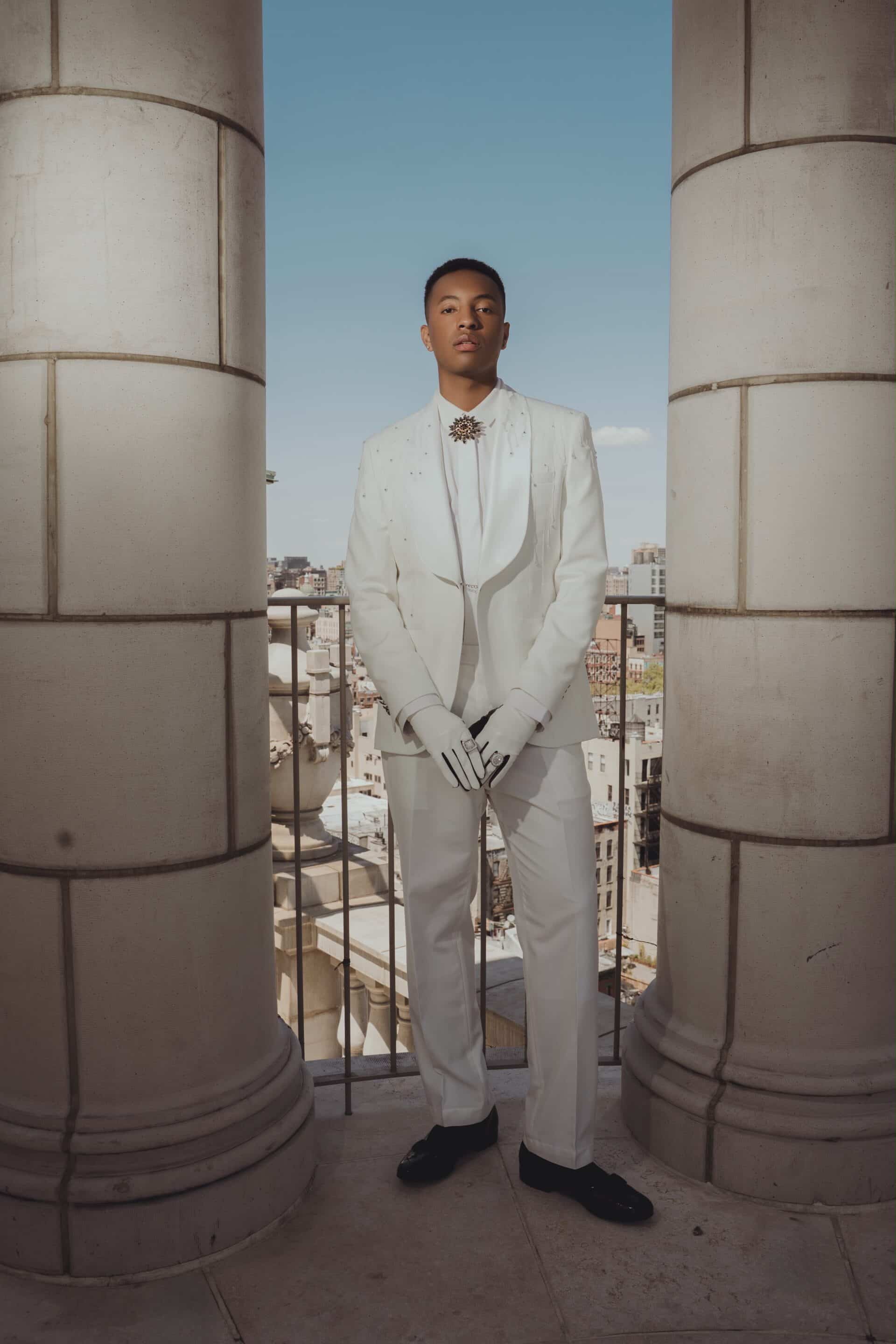
Credit: Watson V. (IG @watsonvisuals_)
Your identity as a Black, Mexican, and LGBTQ+ creator naturally informs how you engage with entertainment and fashion. How has embracing that perspective helped you connect with audiences seeking more authentic representation?
I think it plays a huge role.
I’m able to watch different shows, relate to Black men, Black women, and other communities I’m part of, and sometimes offer perspectives that challenge stereotypes or misconceptions online.
It’s meaningful to have a voice and shine a light on experiences that aren’t always represented.
I also hope to show people from my communities that there is a place for them in entertainment.
Growing up, I didn’t know this could even be a career. Nobody around me loved reality television or awards shows the way I did. My parents signed me up for basketball, and I hated it.
In a way, I feel like I’m helping create a path for younger people with similar interests.
I’ve looked up to people like Oprah, Ziwe, and Scott Evans, and I hope I can become that kind of figure for someone else.
You’ve worked with Netflix, Amazon, NBCUniversal, and other major companies while maintaining an independent voice. How do you balance partnerships with the authenticity that attracted your audience?
Many of the brands I work with are brands I was already discussing organically.
I was watching their shows and engaging with their content before we ever partnered.
I try to work with brands that naturally fit what I already enjoy. The most important thing is maintaining my voice.
Even when I work with major companies, I want the freedom to share my opinions and make content that still feels authentic to my audience.
One of my favorite experiences was working with NBC during the Paris Olympics. They flew me out, essentially said, “Go make videos,” and trusted my creative vision.
That level of freedom is really important to me.
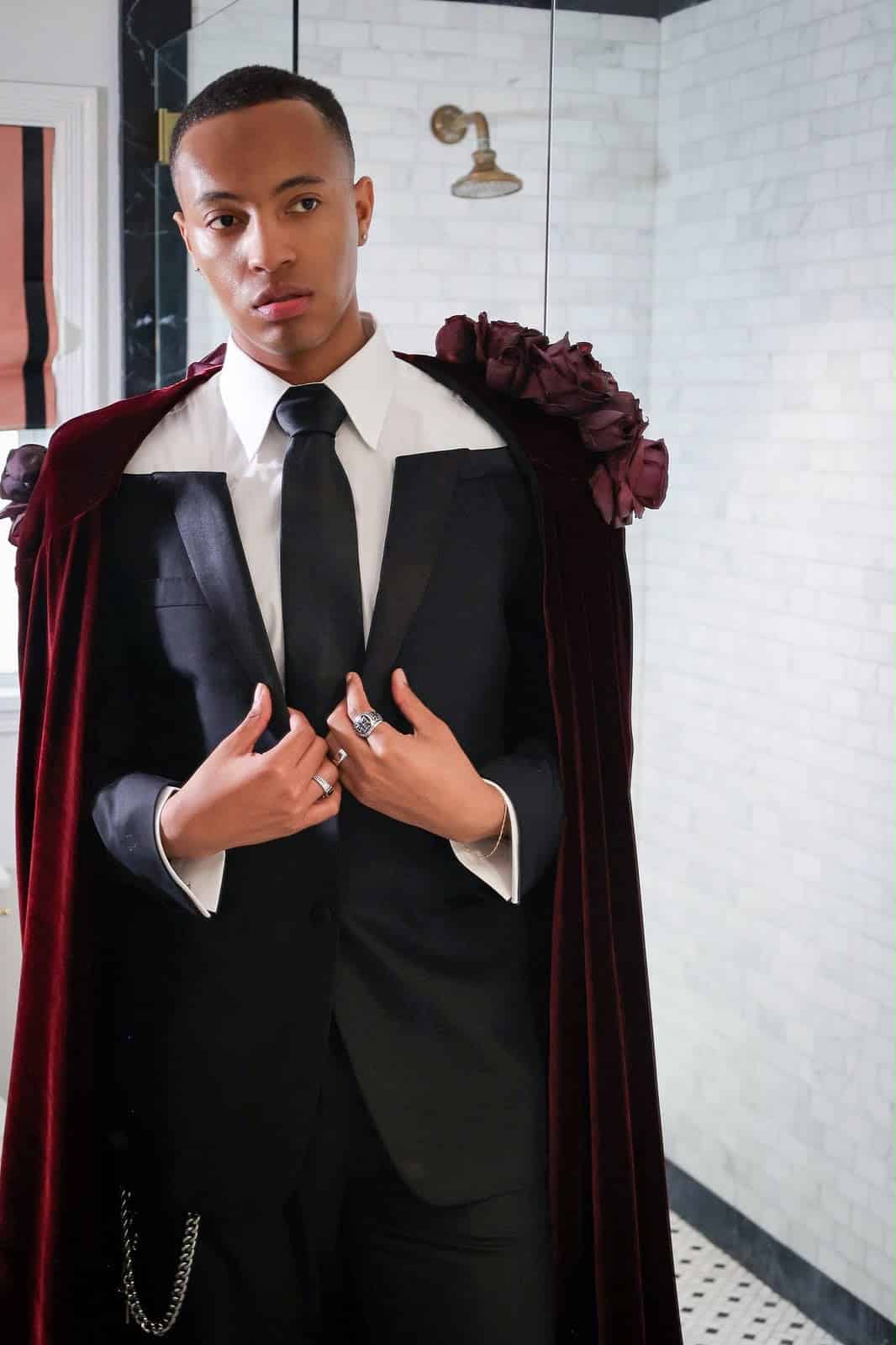
Credit: Roberto Hannibal (IG @ptcameraguy).
Fashion has become an important part of your public identity. How does style function as another form of storytelling alongside your interviews and commentary?
I’ve always been a student of pop culture, and some of the most iconic celebrity moments are remembered because of what people wore.
Think about Lady Gaga’s meat dress at the 2010 VMAs. It’s still part of pop culture history.
Fashion is another form of storytelling.
Whenever I attend an event, I want to wear something that fits the occasion while still making a statement.
I’ve been working with a stylist since the beginning of the year, and the process is collaborative—almost like producing a piece of content. We work together to make sure I look great, remain on theme, and give people something exciting to discuss beyond the interviews.
I also want to push menswear forward.
We see so many black suits on red carpets, so I try to challenge that by wearing pieces people don’t traditionally expect men to wear.
I’m inspired by Zendaya and Law Roach and the way they approach fashion together. Law Roach, especially as a Black queer creative, has paved the way for many people.
I also love what Colman Domingo and Bad Bunny are doing, particularly Bad Bunny’s recent Schiaparelli look.
I like combining masculine and feminine elements, tailoring everything carefully, and using fashion to challenge expectations.
Your interview series Hyperfixating places personality at the center rather than relying only on promotional questions. What do contemporary audiences expect from celebrity interviews that older entertainment formats often overlooked?
I think today’s audiences want celebrities to feel human.
We can have more personal conversations and develop interview concepts that go beyond simply promoting a project.
The role of the interviewer has changed.
It used to be a much more formal process, but now fans and creators who are genuinely part of a community also get to ask questions.
For example, when Heated Rivalry came out, ten years ago it probably would have been covered only by traditional entertainment outlets.
Today, creators who are deeply connected to that fan community are also conducting interviews. Audiences appreciate hearing questions from people who genuinely understand and care about the project.
Algorithms reward speed and immediate reaction. How do you avoid burnout while still producing thoughtful commentary in an always-on media environment?
Honestly, I don’t think I’ve figured that out yet.
Some weeks, I feel like I can create nonstop. Other weeks, I need to step away.
Burnout is something every creator has to learn how to manage.
Even when you have a team supporting you, it’s still important to take breaks and give yourself time to recharge.
Where do you see entertainment journalism moving over the next five years? Will creators continue reshaping the industry, or will a model emerge that blends traditional credibility with digital immediacy?
I think we’re going to see more creators become CEOs.
They’re going to own their intellectual property, build their own shows, launch products, and create businesses that extend far beyond content.
Creators are becoming entrepreneurs.
At the same time, I think traditional media will increasingly partner with creators and creator-led companies to reach new audiences and expand further into the digital space.
Rather than replacing one another, I think we’re moving toward a model where traditional media and creators work together to shape the future of entertainment.
Asante Madrigal’s rise is not simply evidence that social media has disrupted entertainment journalism. It reflects a larger shift in who gets to interpret culture, how quickly that interpretation travels, and what audiences now expect from the people guiding them through it.
The traditional distinction between reporter, host, critic, influencer, and celebrity is becoming increasingly difficult to maintain. Today’s most compelling entertainment figures often occupy all of those roles at once, moving between a red carpet, a reaction video, a branded partnership, and an independently produced interview series without treating any of them as less legitimate than the others.
Madrigal understands that audiences are not only looking for information. They are looking for perspective, personality, and someone whose enthusiasm feels genuine enough to trust.
In a media landscape where every cultural moment is immediately recut, debated, memed, and reframed, his work offers something more valuable than speed alone: a point of view.
And as creators increasingly become owners, executives, and architects of their own platforms, that point of view may prove to be the most powerful currency in entertainment.