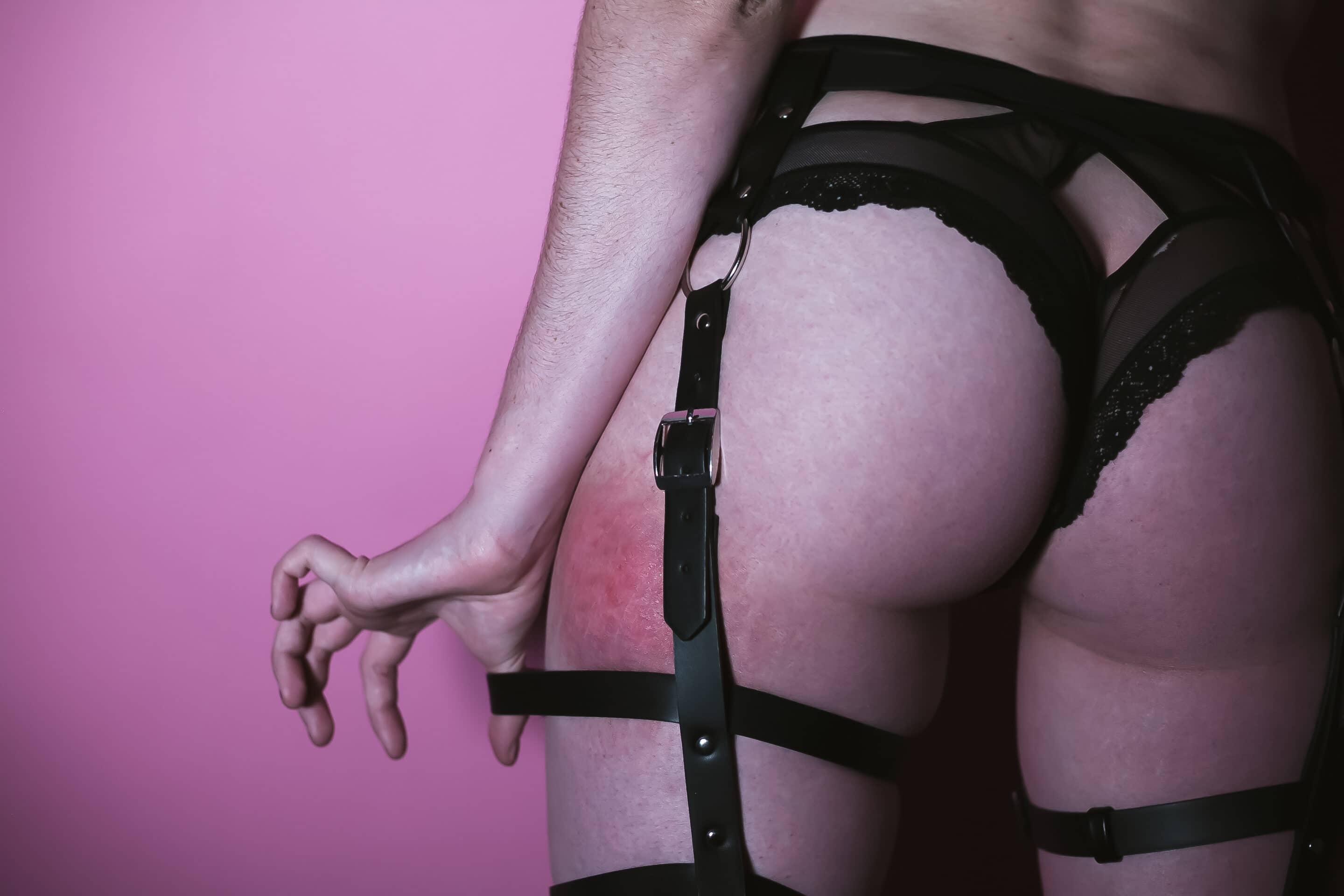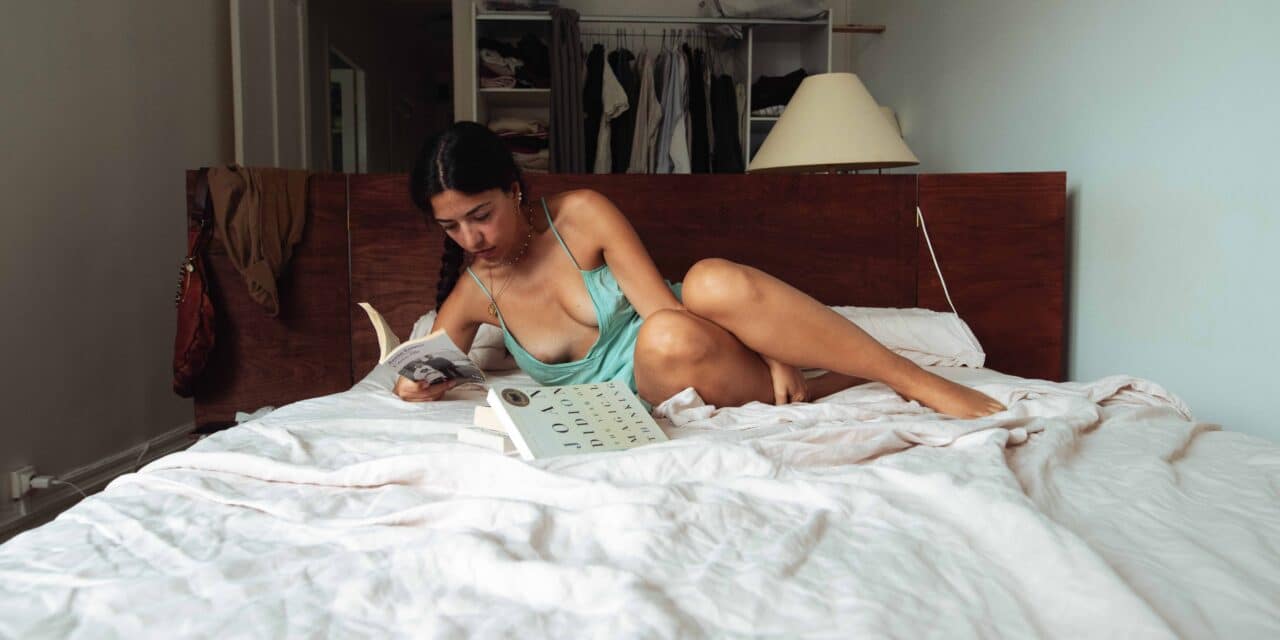
Self-Portrait (2026), © Arianna Genghini
“It’s really not about the body types and the labels. It’s just about seeing cool girls and shooting them.” Photographer Arianna Genghini on nude shoots, escaping the gaze, and sensuality detached from sexualisation
Last year, I sat down with Jurgen Maelfeyt to talk about human physicality and nakedness in art. Conclusion? Although inherent to our existence and omnipresent in our reality, experiencing nudity is far from being deprived of a taboo framework. Whether it’s in the bathroom mirror or in a social media post, seeing a naked body carries something inextricably exposing with it, and the reason for that is not entirely easy to understand. It perhaps has something to do with the underlying association with sexuality, or the exposed vulnerability of the human condition, prominent once the clothes are stripped off. Regardless, what is clear is that the topic continues to spark discussion, as evidenced by the fact that here I am, a full year later, coming back with yet another contribution to the conversation.
One particular challenge we face in our postpostmodern, hyperpolitical, hyperconnected society, as if there weren’t any more pressing problems in the world around us, is something I call the backlash boomerang effect of judgement. Everyone is supposed to be free to choose any identity they want, and therefore you’re not supposed to label the choices individuals are making. The era of assumptions, prejudices, and closets is apparently past us. Nonetheless, we keep perpetuating them, only the boxes we put each other in multiplied by infinity and are now called cores and communities. And each is equipped with its own online armies of defenders, who stand guard, day and night, against all discrimination.
When I first thought about writing a followup to my first article, a very painful realization came to my mind, namely the fact that it explores a perspective that is entirely male. I was appalled: I, a female author, had tackled a subject as delicate and gendered as nudity and not only asked a MAN for his take, but also didn’t even think about balancing his voice. The idea for redemption came seconds after and seemed rather obvious: the second piece should feature women artists only and aim at understanding their perception of the naked body in art. And then, just as quickly, another thought came: here I am, in my assumed pursuit of progress, equality, and liberation from all judgement, trying to shamelessly counterbalance a boy’s input with a girl’s. Reducing two unique individuals to boxes, further cementing the oldest social dualism, instead of trying to put it to rest. For a moment there, I was hit with a backlash boomerang I myself threw.
However, as I got further into the research, I realized that, while we all feel the duty and urge to abandon outdated labels, it is not really possible to escape those that are being put on us. And when you’re a woman in the art world, the posture traditionally designated by your label can only be described with one word: passive.
“There’s an unspoken rule in photography, not to mention in art in general, that women are not supposed to be, technically speaking, voyeurs—they’re supposed to be what voyeurs look at,” Hilton Als in an article in the New Yorker. Subject? Life and work of the forever relevant icon of non-judgemental intimate snapshotting, Nan Golding. Publication date? June 27, 2016.
It seems like a decade has passed and not much has changed in this respect. Fourth-wave feminism notwithstanding, we still fall into the same patterns, clearly unable to avoid the sneaky snare of the male gaze.
It is undeniably true that more and more female creators across all art fields are coming forward with bolder and unapologetic narratives, shaping images that try to defy the sad default of masculine pleasure. The persisting problem, however, is that the said gaze, inherent to their own societal experience, is always there, infiltrating how women perceive the world and thus being reflected in the ways they approach artistic creation.
Can we even make nakedness unsexy without compromising on the pursuit of visual pleasure? Can we disassociate sensual beauty from erotic charge and create images that are simply pure and real? I talked to Arianna Genghini, who dedicates a lot of time and effort to trying.
Arianna is an Italian photographer based in Milan and Paris. She describes her approach to creation as sensual and emotional, and while nudity is not in itself the main subject matter of her work, the naked body serves as a prevailing element of her visual storytelling.
“And I am a very sensual person. What I mean by that is that I love to engage with all my senses and have very bodily experiences. I really enjoy the food I eat, for example, or how the water touches my skin when I’m swimming. So basically, I want that sensitivity to translate into my photography. That’s why I also like to work with natural elements, such as water, which is often present in my pictures.”
It is that idea of creating intimate, organic sensory imagery, imagery that gives way to an almost palpable interaction, that drew Arianna to the naked body in the first place. “At the beginning, I really didn’t know what I was doing. I knew I wanted to shoot people and their personalities. What I didn’t like was the clothing influencing the picture. So at that moment, it felt more natural that I shot them undressed.” Similarly to Jurgen Maelfeyt, who brought up the interplay between light and bare skin as his main interest in depicting nakedness, she understands the body as a canvas that allows for an outcome that feels closer to the source, unbothered by unnecessary elements. Just like Maelfeyt, she refuses to reduce nudity to its erotic dimension, advocating for the full potential it offers in terms of artistic experience:
“The way I understand it, sensuality is strictly connected to eroticism. But it’s a more conceptual way of seeing it. I want you to engage with the senses. I want to create a feeling that you can almost touch the body that you see, feeling like you can, you know, sense its presence somehow. I try to intertwine all the senses inside the picture, which is in the end just a 2D picture, and bring up the tangible bodily experience of it. This is sensuality to me.”
So at first glance, it would seem that there isn’t much to say about the supposed difference in understanding and approaching nakedness between male and female artists. Which is an observation that conflicts with the generally accepted—or so I hope—idea that as far as our societal experience of carnality is concerned, the difference exists and is very real.
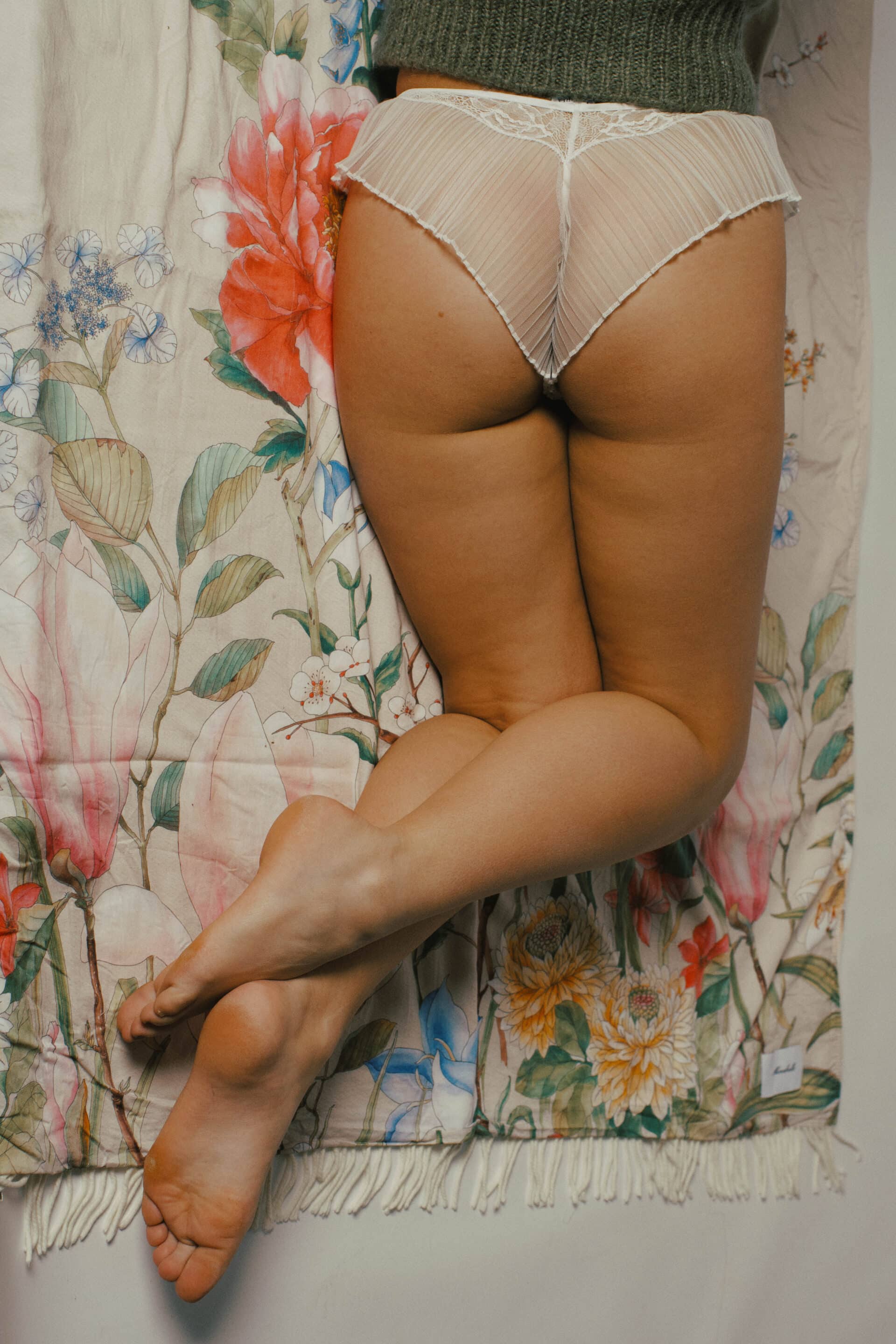
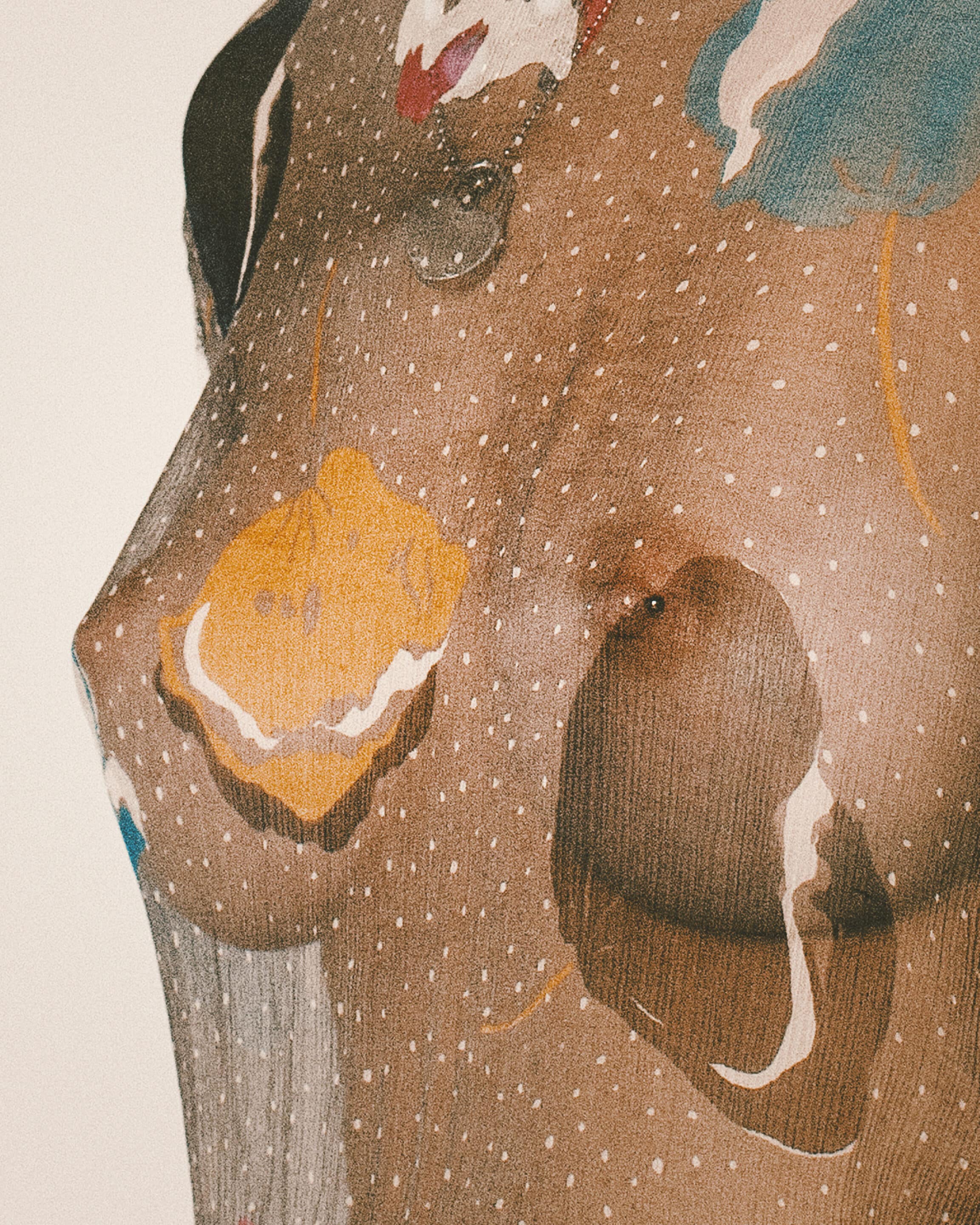
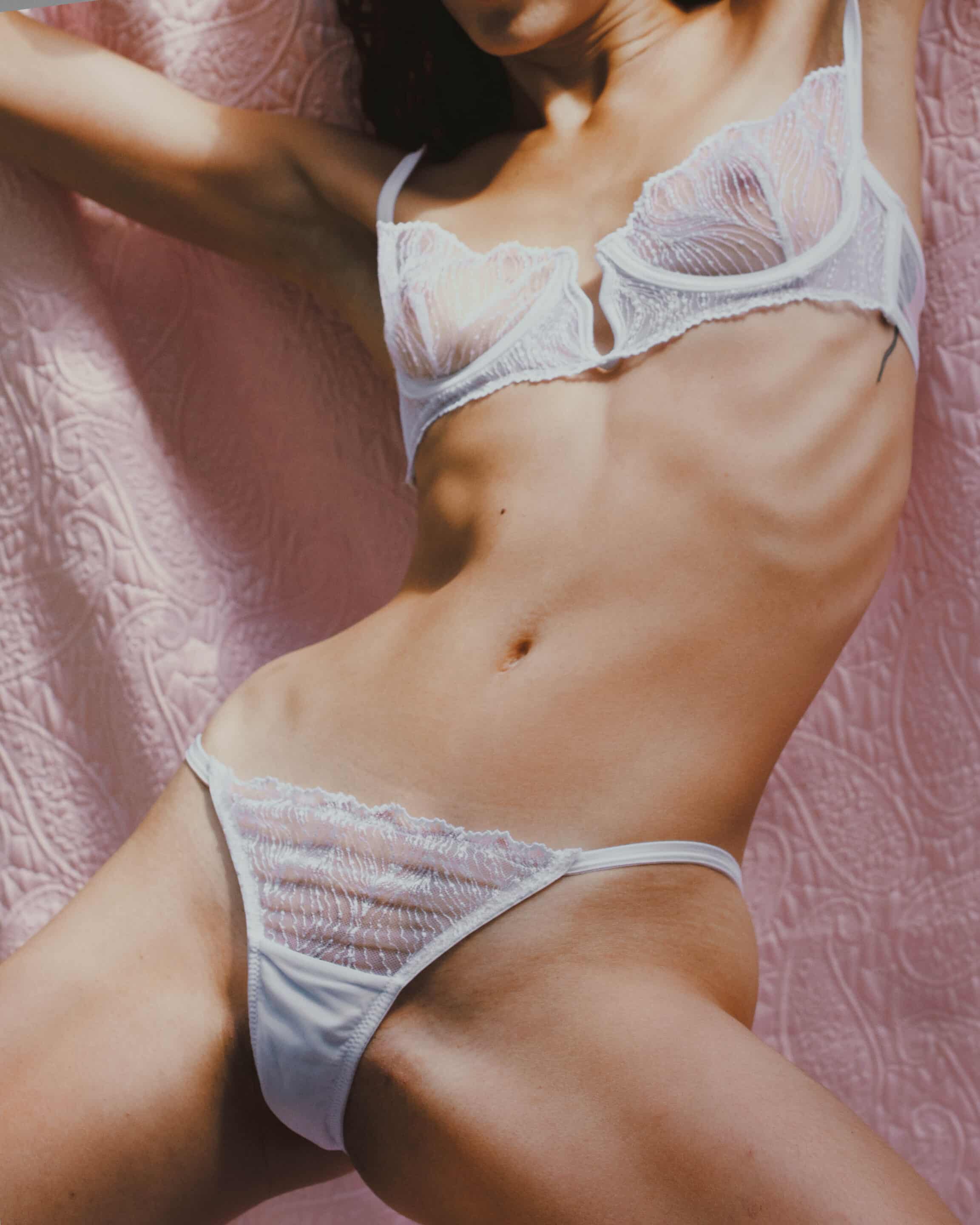
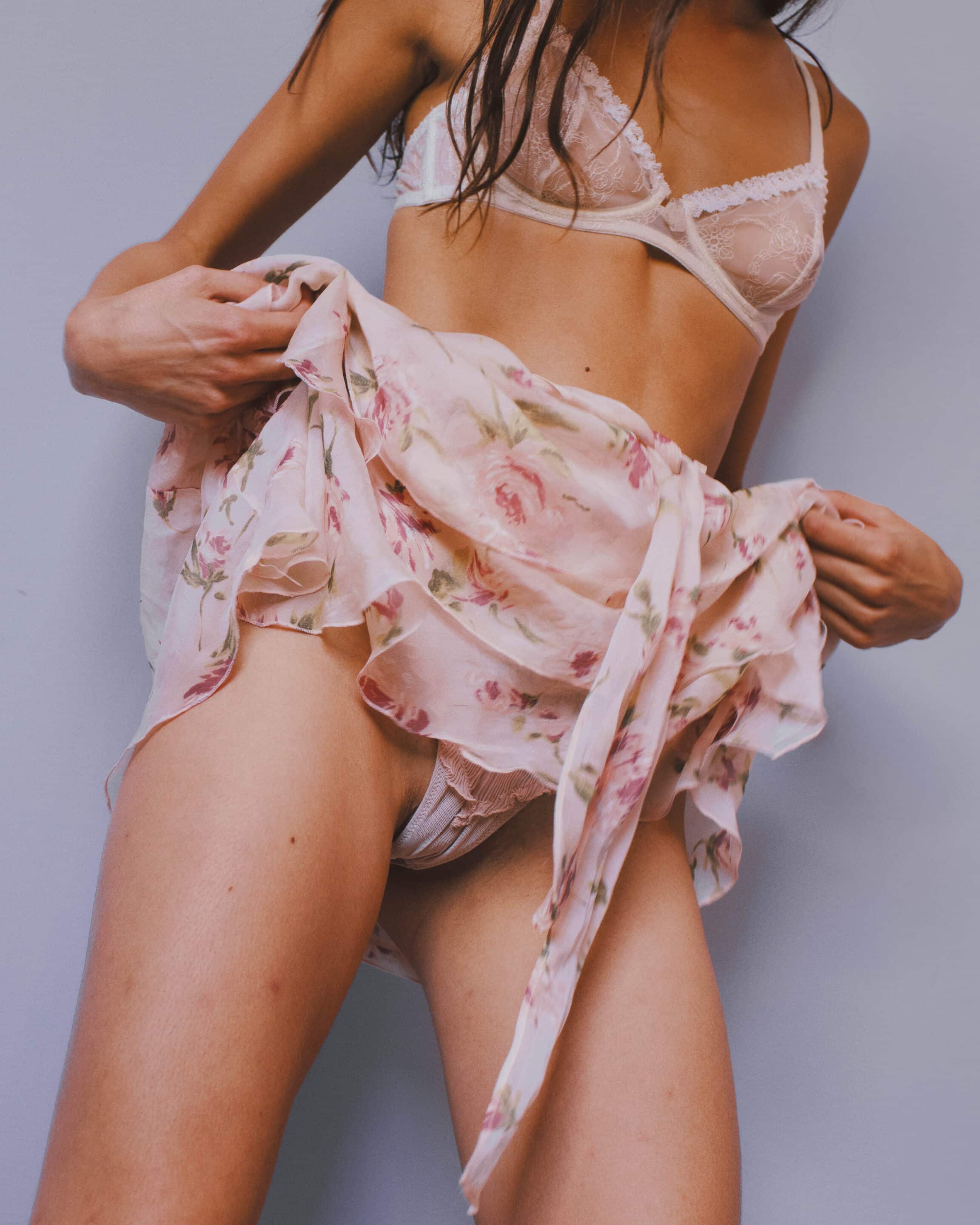
Fiori Nudi (2020-2022), © Arianna Genghini
Another important factor to consider: while Maelfeyt is an editor, only interacting with his subjects indirectly, through the safe mediation provided by Photoshop and a printer, Genghini is a photographer, engaging firsthand with the nudity of other human beings. I ask her about her process, and whether the awareness of her own body as a woman has an impact.
“I don’t think that men experience the gaze of other people on them as much as women. Being sensible about it made me approach my work in a very un-gazed way. I don’t know how to explain it, but I don’t think I’m imposing my gaze on my subjects. I’m trying to erase myself, give them as much space as possible. It’s as if I felt almost embarrassed, which is funny because it is my job. But I really don’t want to be the gazer. So it’s quite a complex process.”
It’s arguably this sensitivity to the vulnerability of the context, this continuous care for comfort and respect, that make for such an intimate and personal effect in her photos. Arianna’s universe is soft and sensual, with colors somehow both faded and saturated, with stories both subtle and intensely emotional. But there’s more; it is a universe that feels real, human, familiar. Since her goal is to depict people and their personalities, the body really only serves as a channel for them to surface.
“I want to create positive imagery. I don’t want to put labels on my models as I’ve been labelized in the past. You see them everywhere, those etiquettes of curvy models, thin models, diverse bodies, etc. But really, it’s not about that. It’s just about seeing a cool girl and shooting her. I’m trying to show who she is, instead of watching her, seeing her body as ‘curvy’ or ‘thin’. In the end, it’s always about creating images that you yourself wish to see. So when you always see a lot of sexualisation in the media, you want to see cool girls that are not sexualized.”
The photographer’s ‘un-gazed’ attitude stems from her thirst for artistic authenticity, but it’s also clearly linked to her human sense of empathy. Even when deprived of the sexual reading, nudity is still very exposing, and that creates a risky and potentially dangerous framework.
“I am extra careful to make people feel as comfortable as I can so that it doesn’t feel forced. In that moment, when you take naked pictures, you can immediately tell if the models feel forced. It’s a really vulnerable position. And so the sexualisation in that kind of environment is very, very traumatizing, I think.”
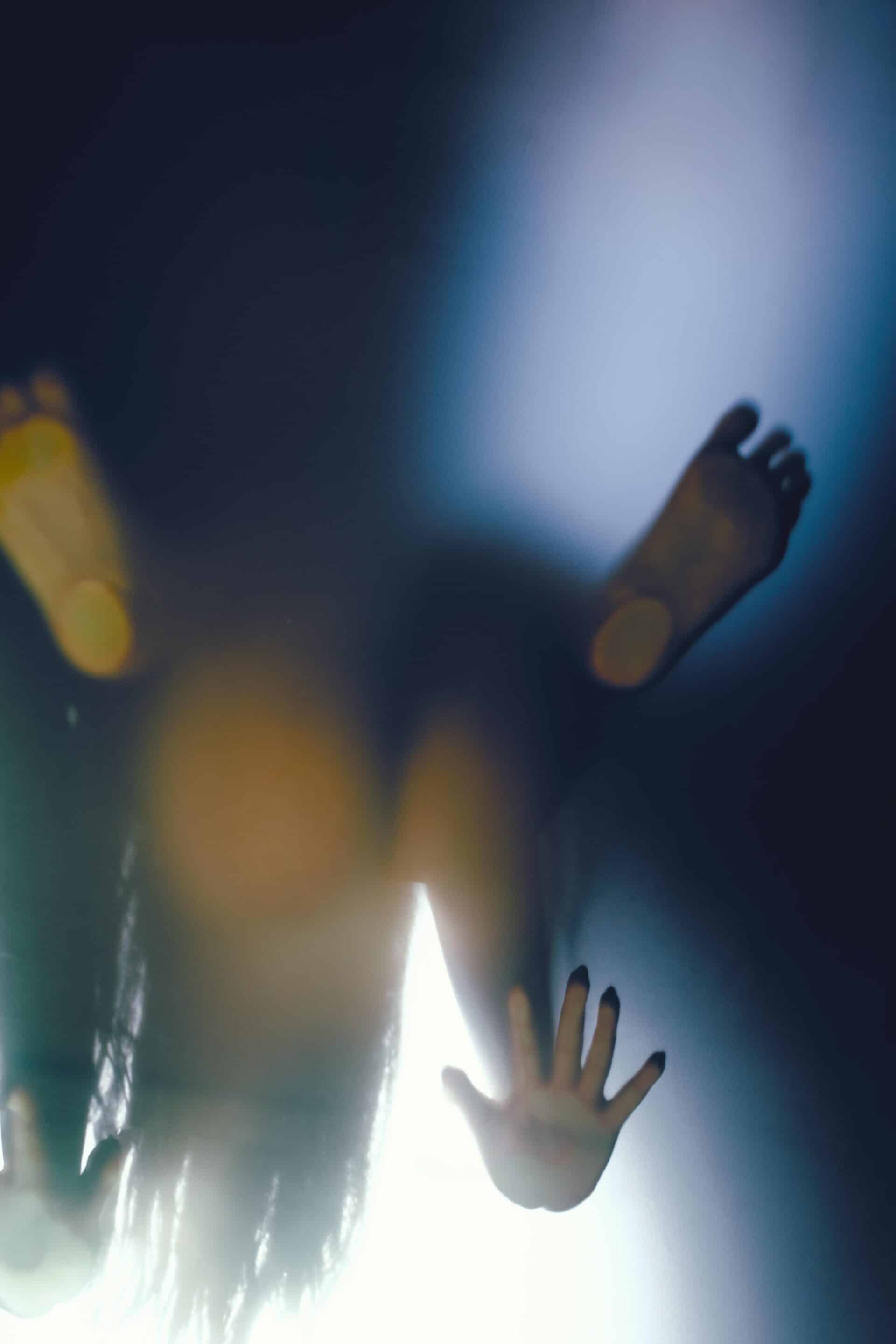
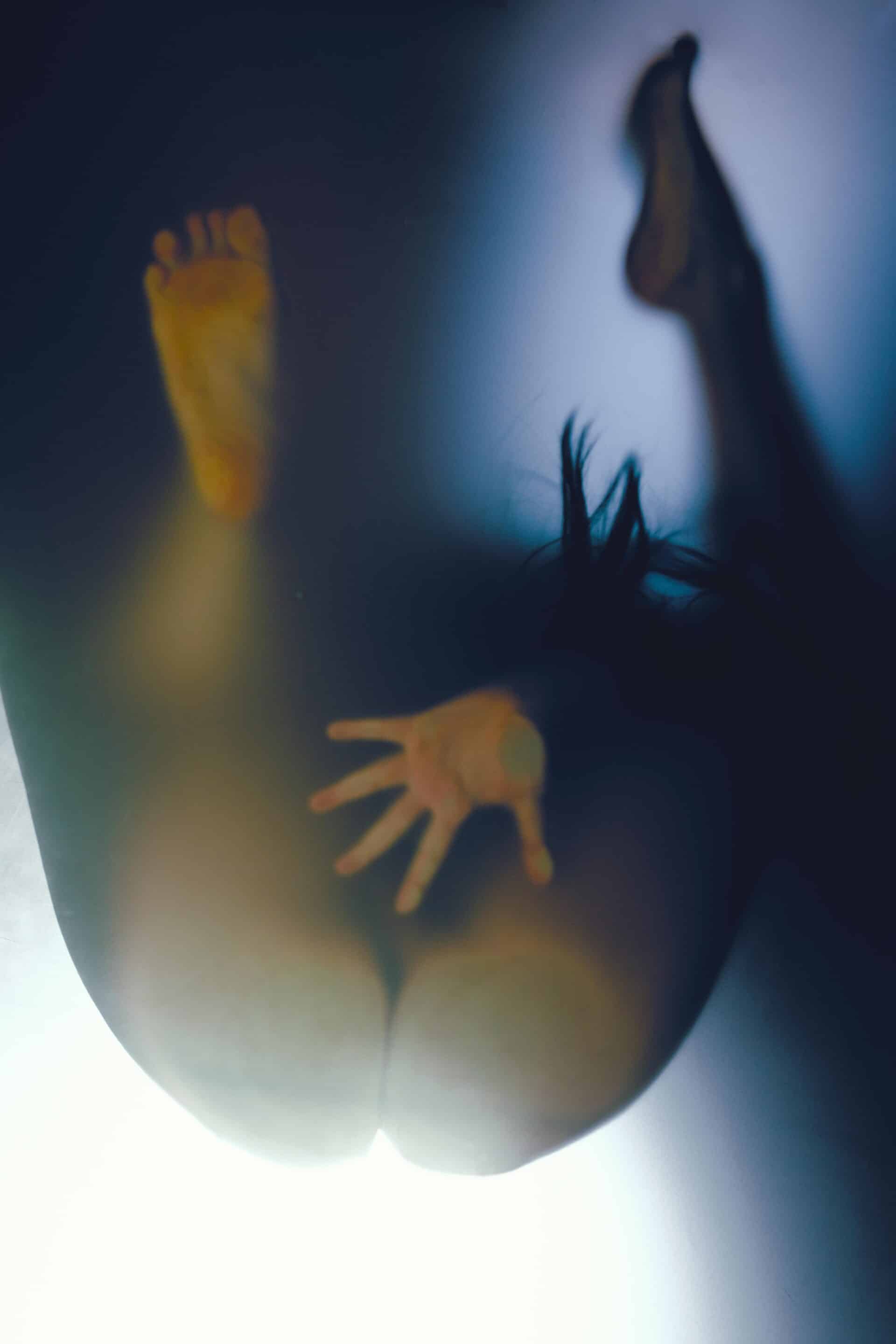
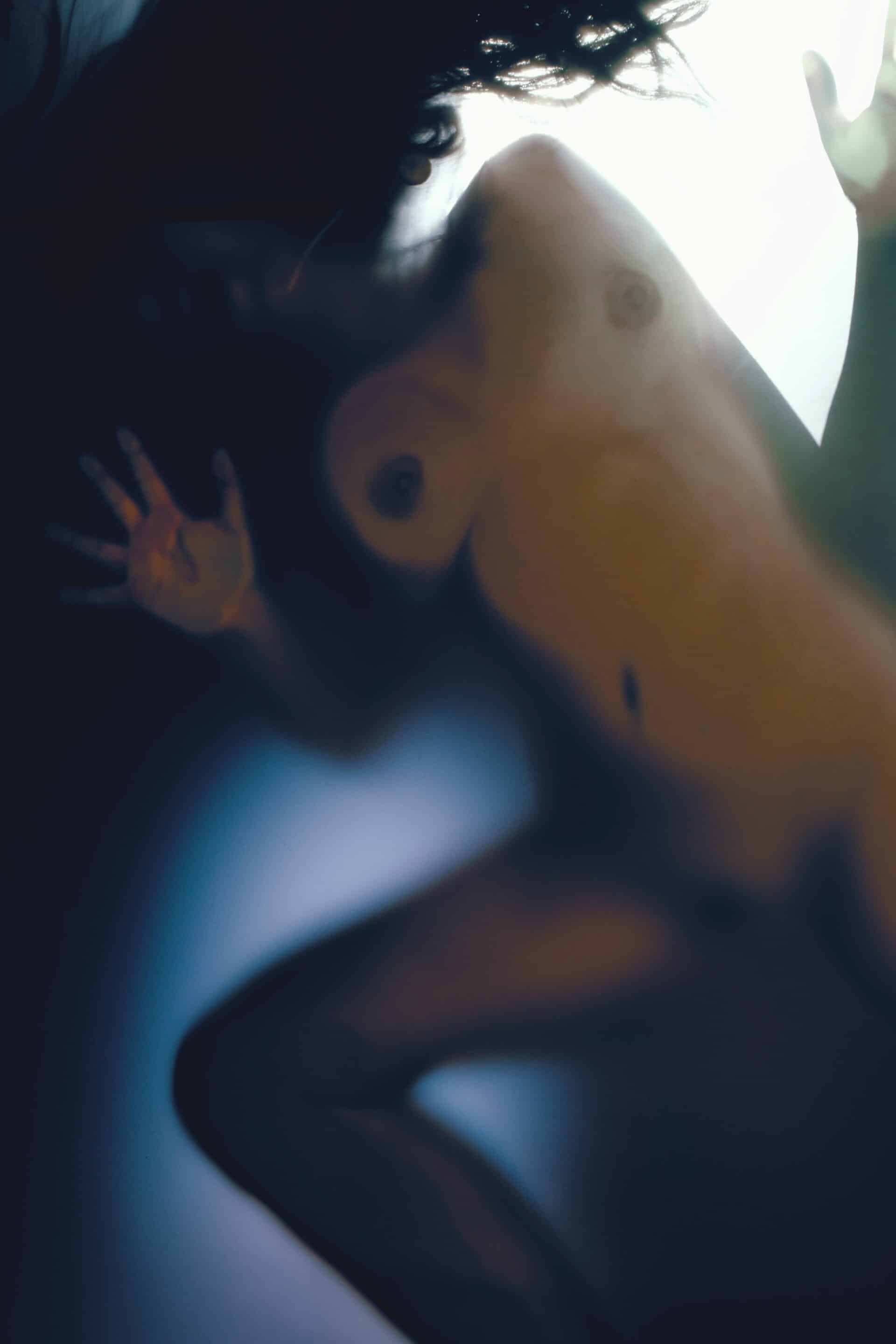
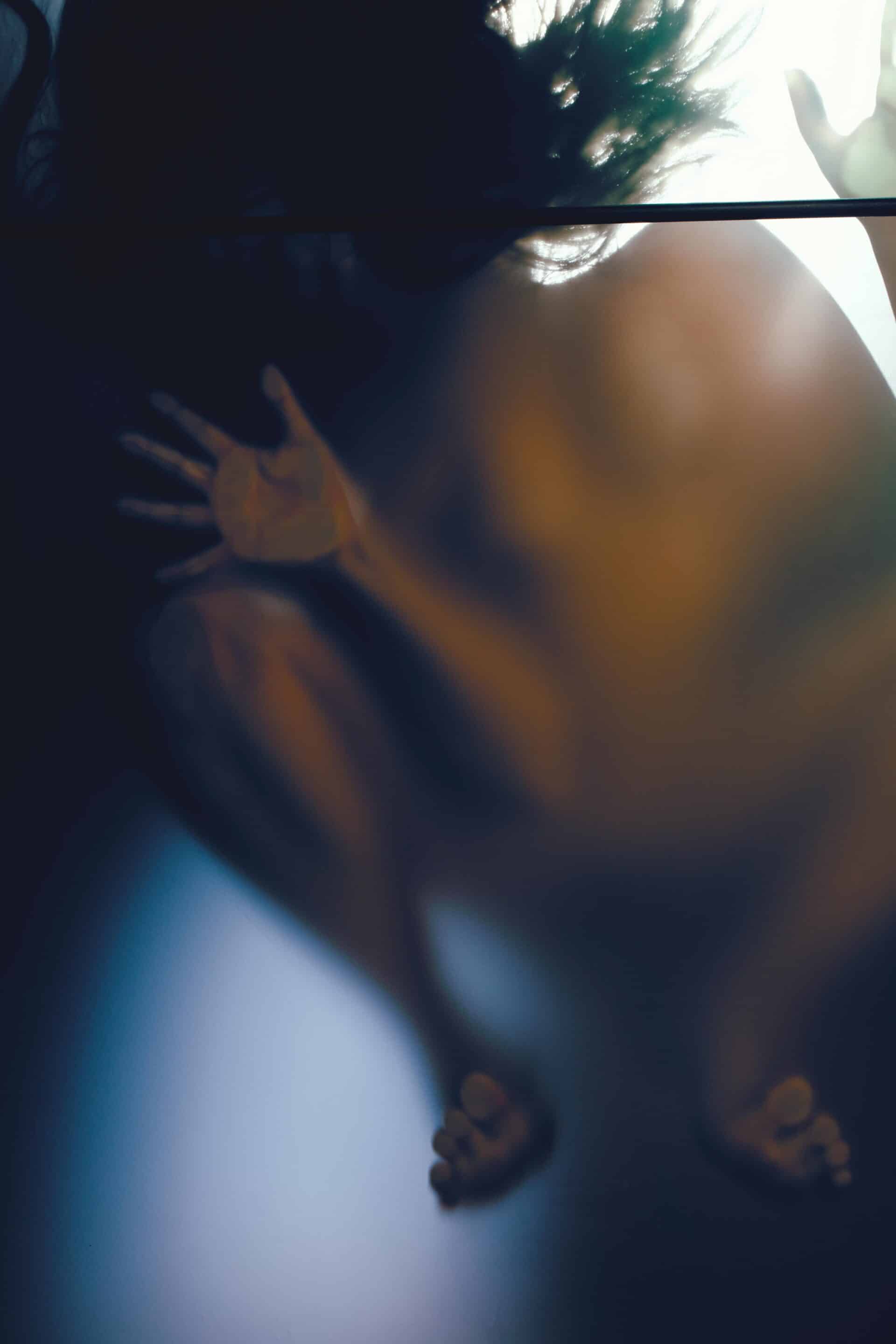
Ongoing project (2026-), © Arianna Genghini
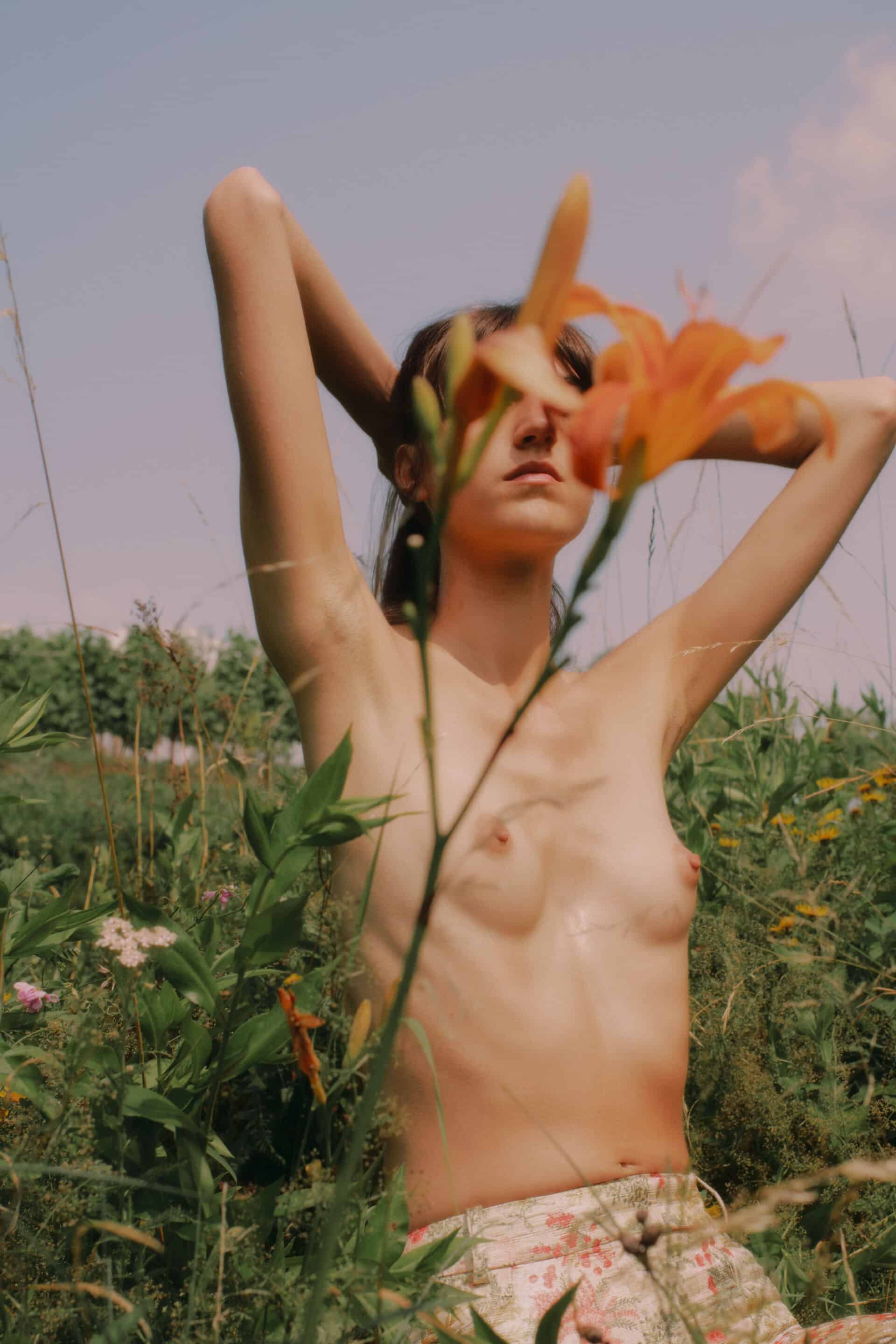
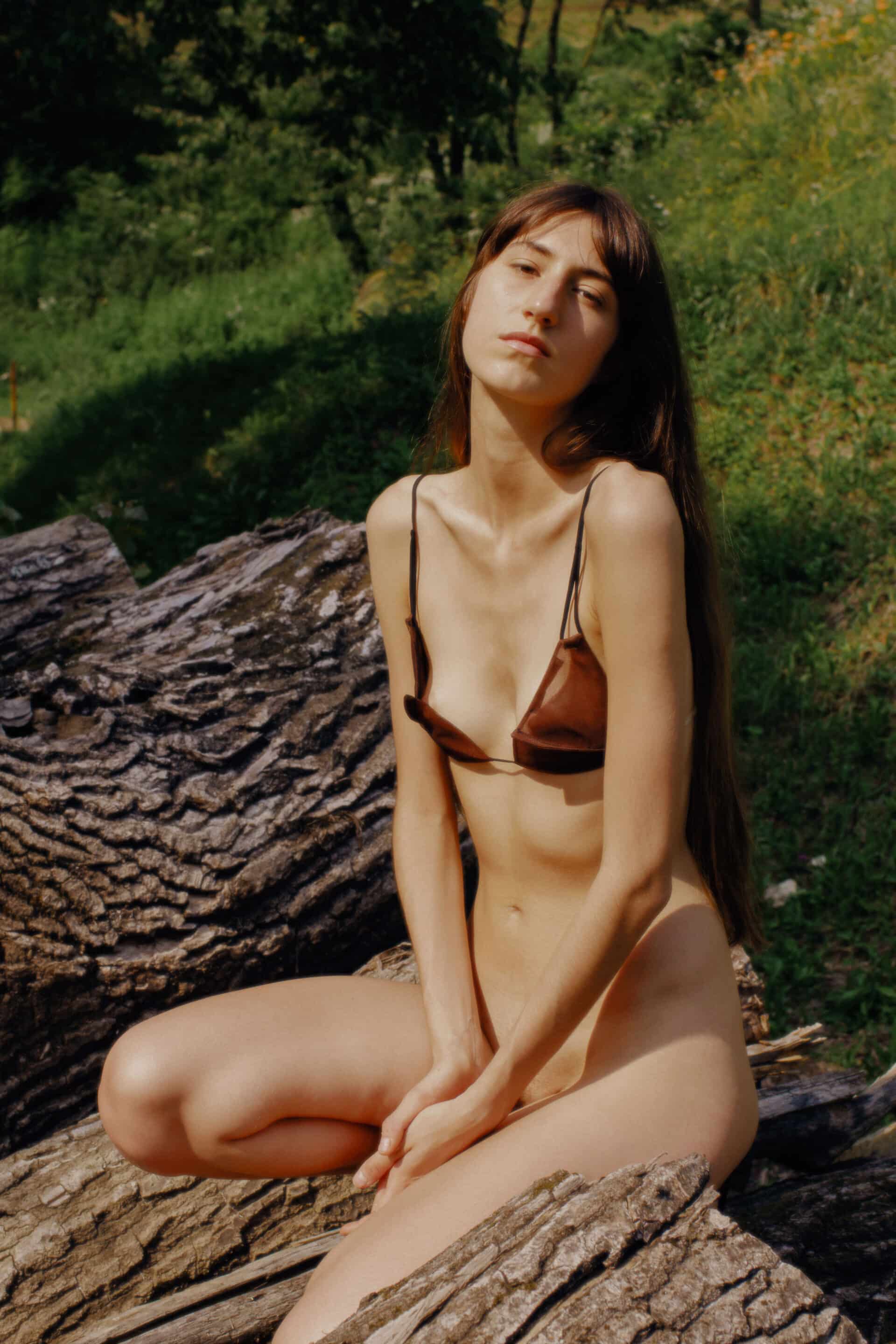
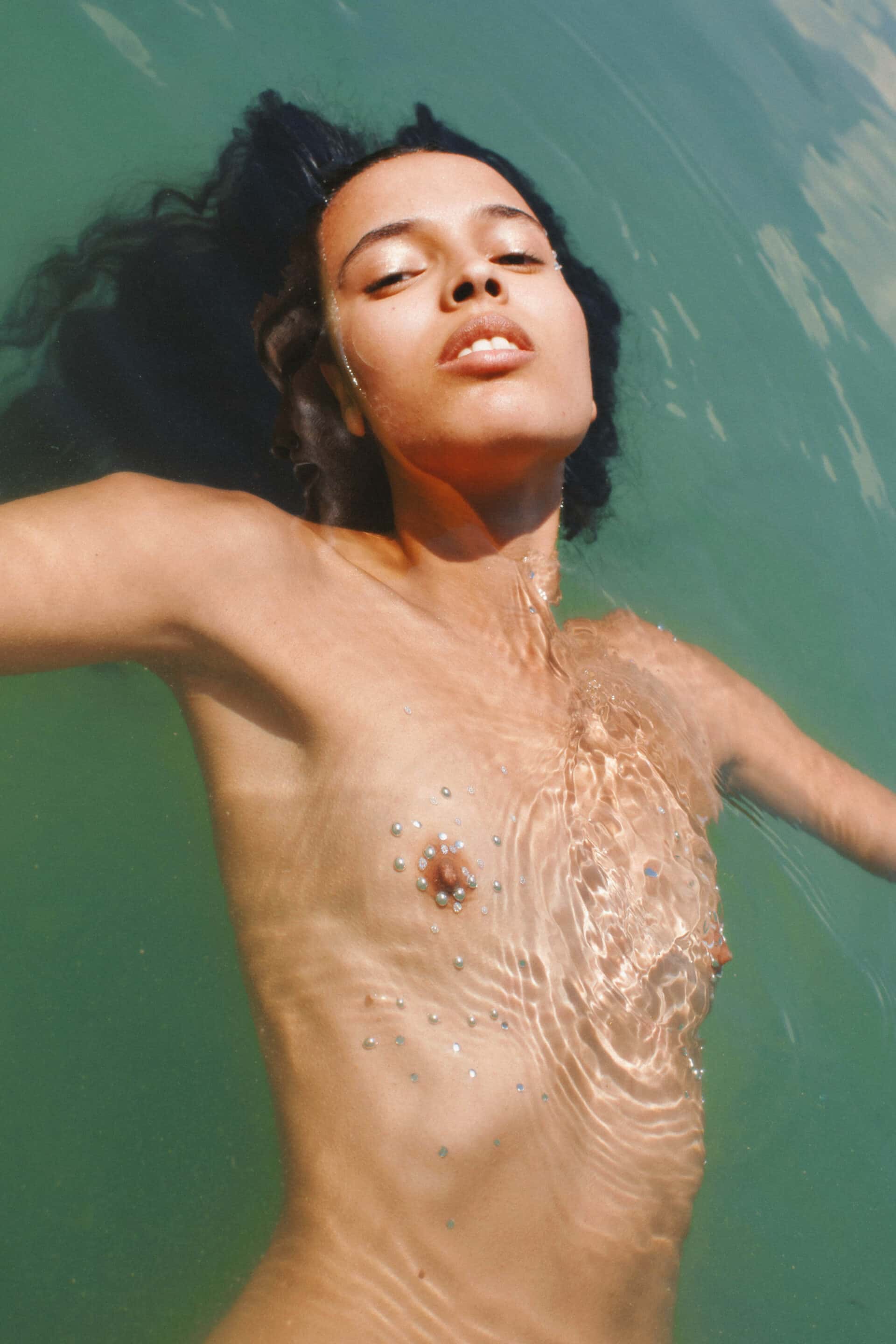
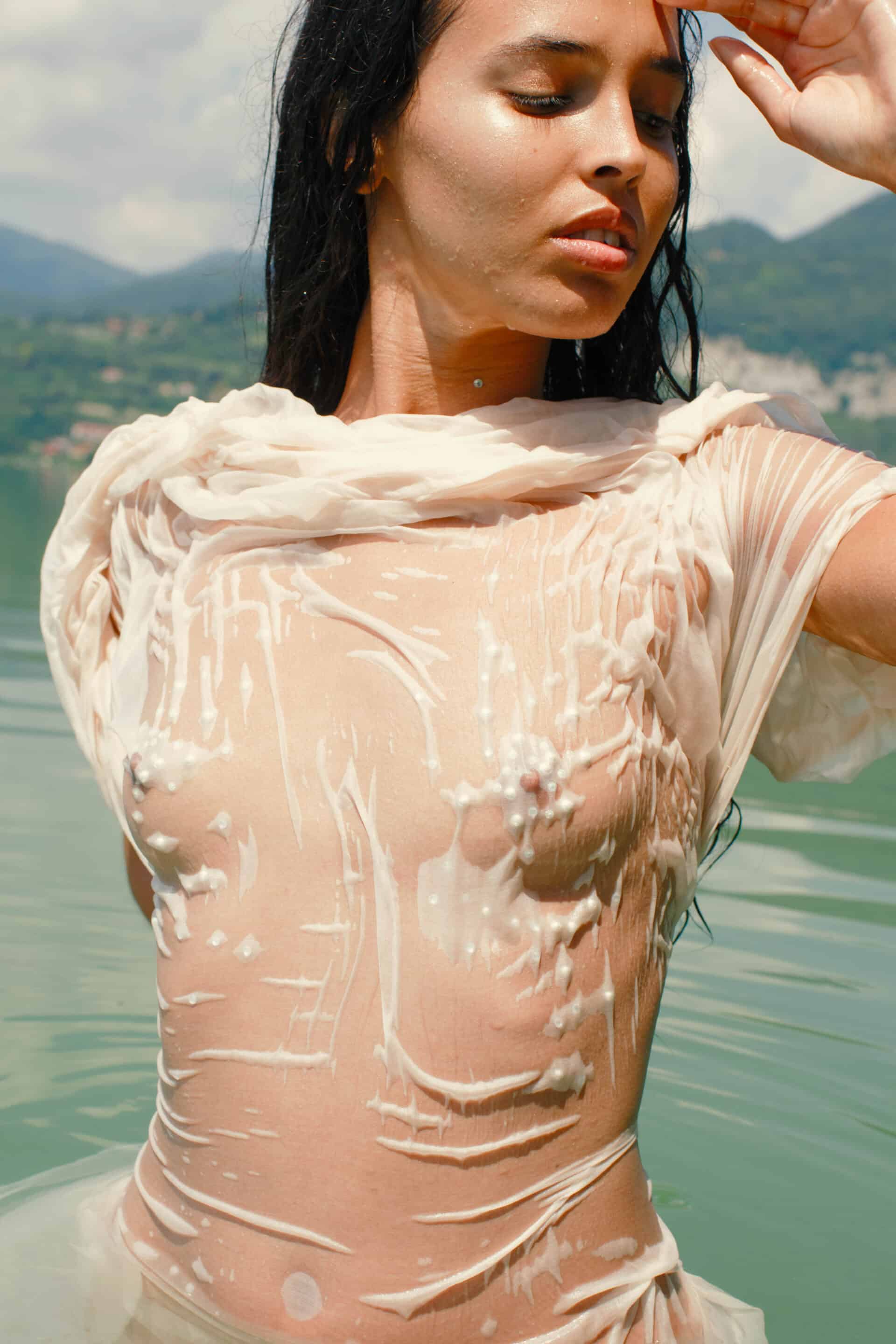
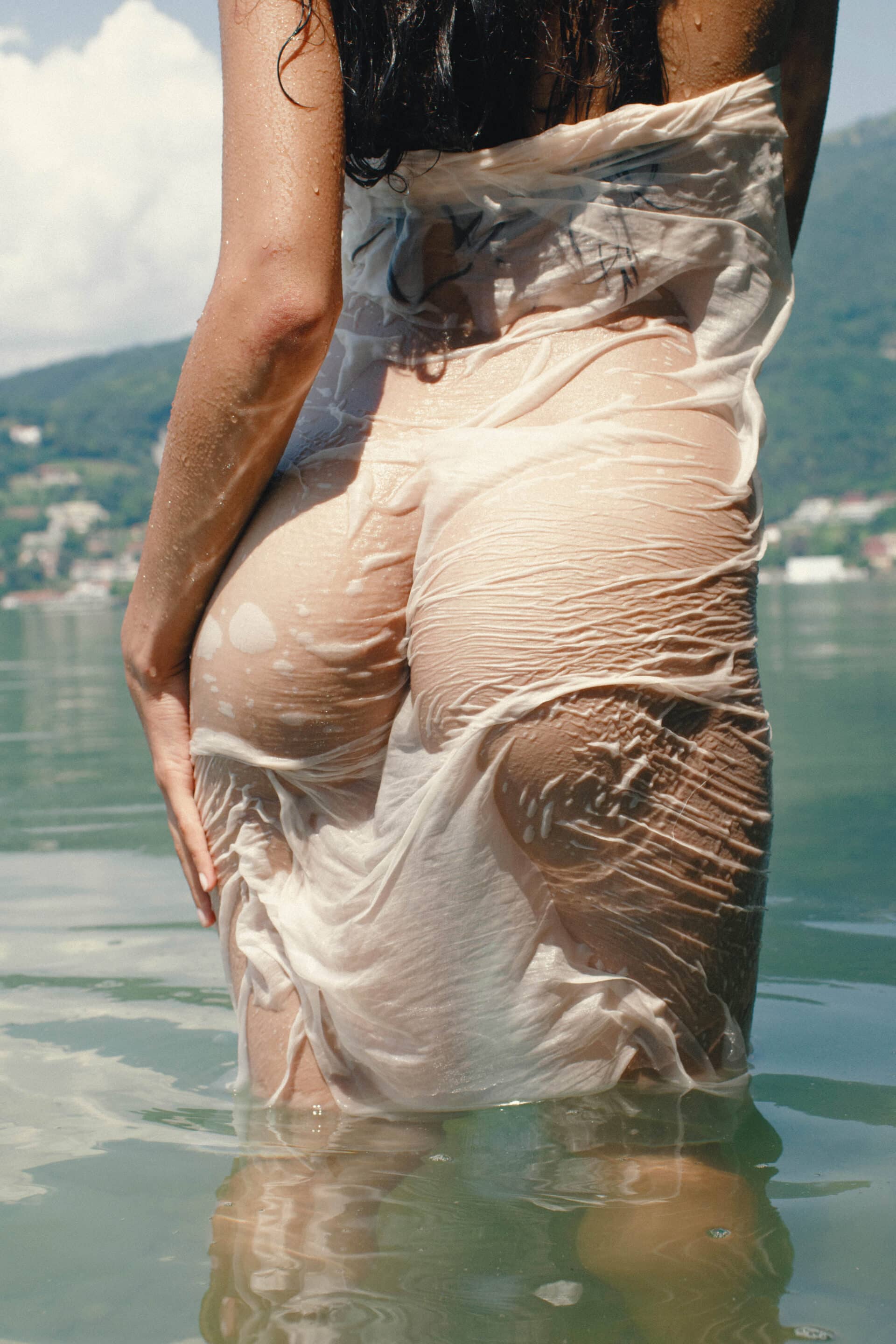
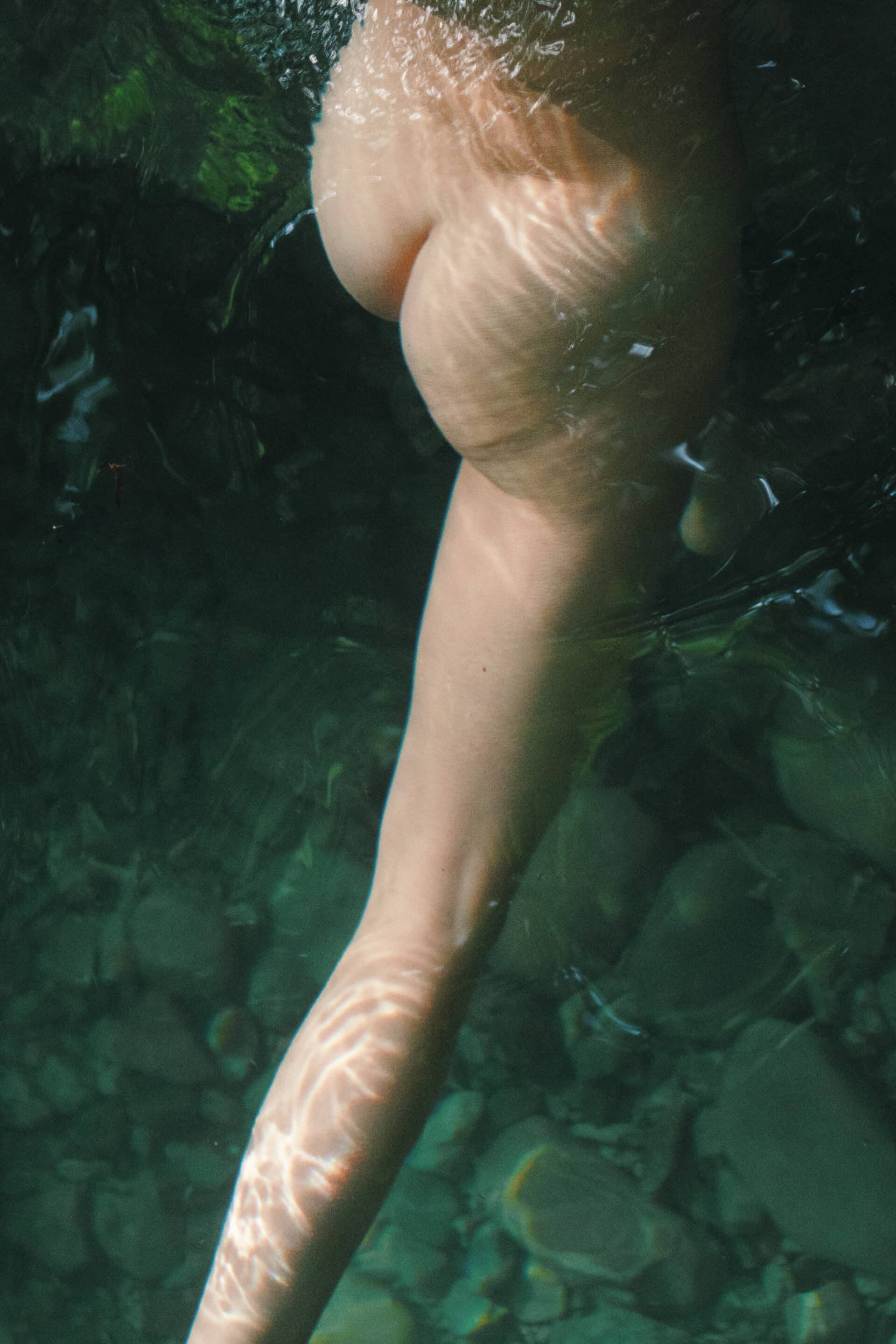
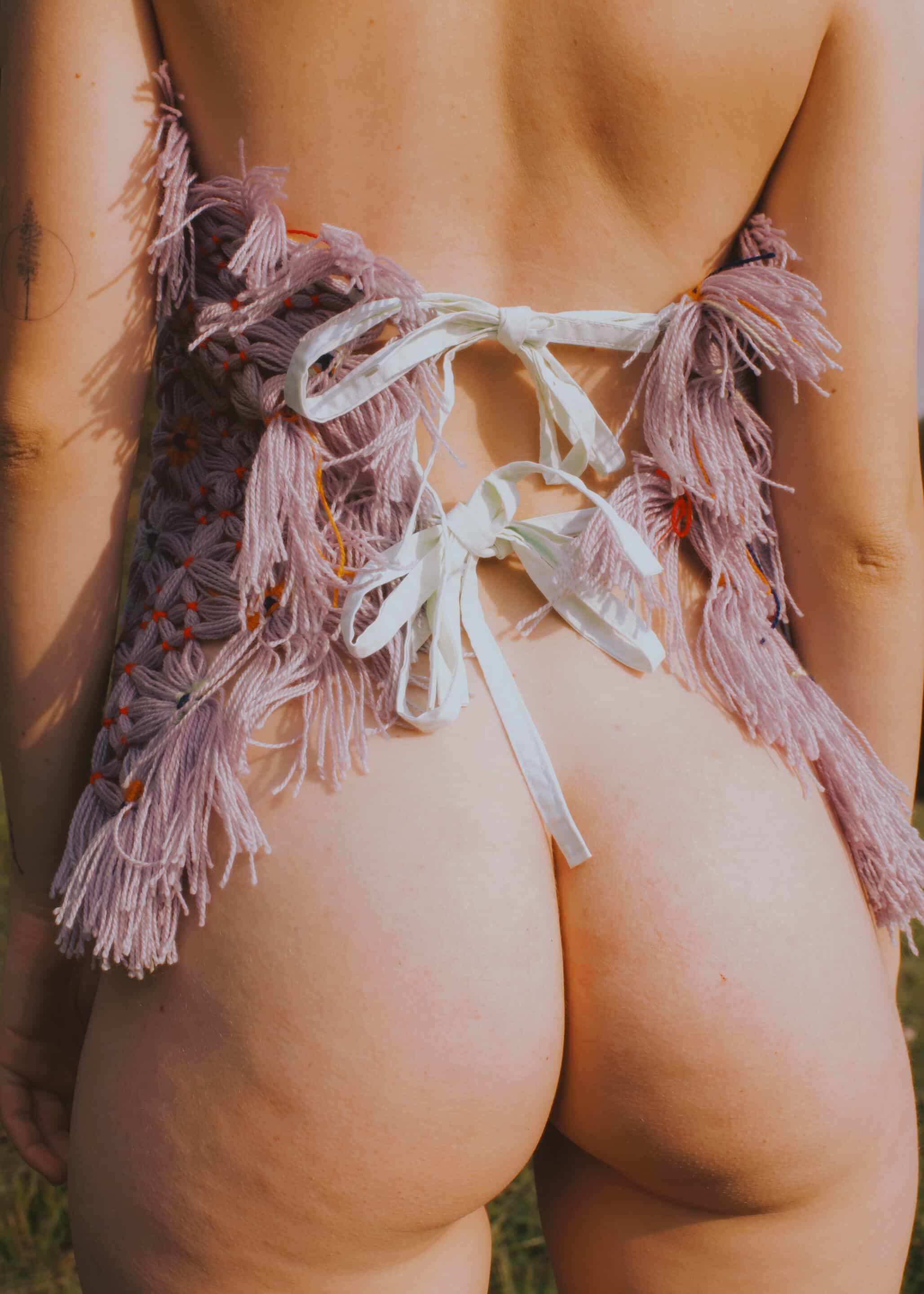
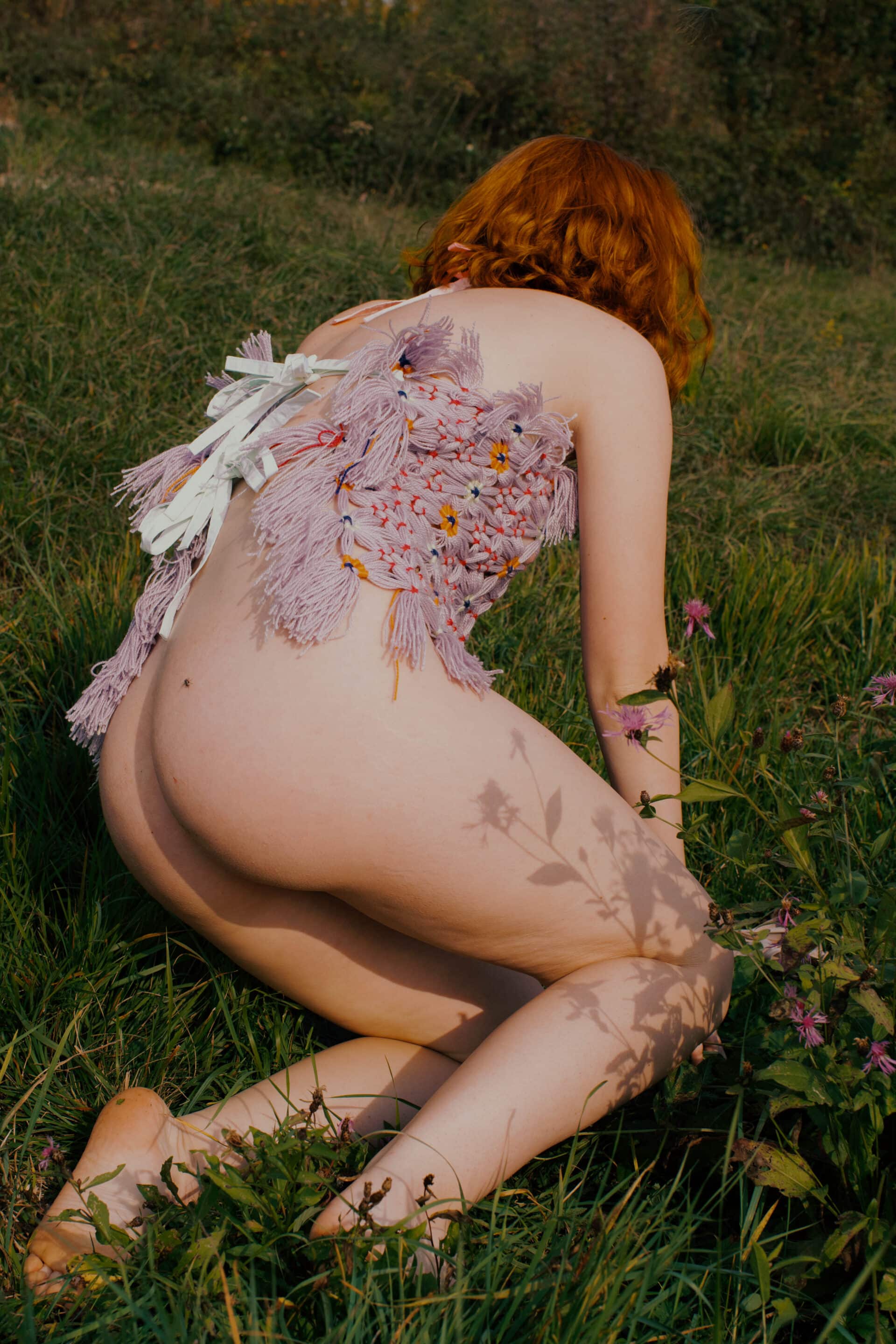
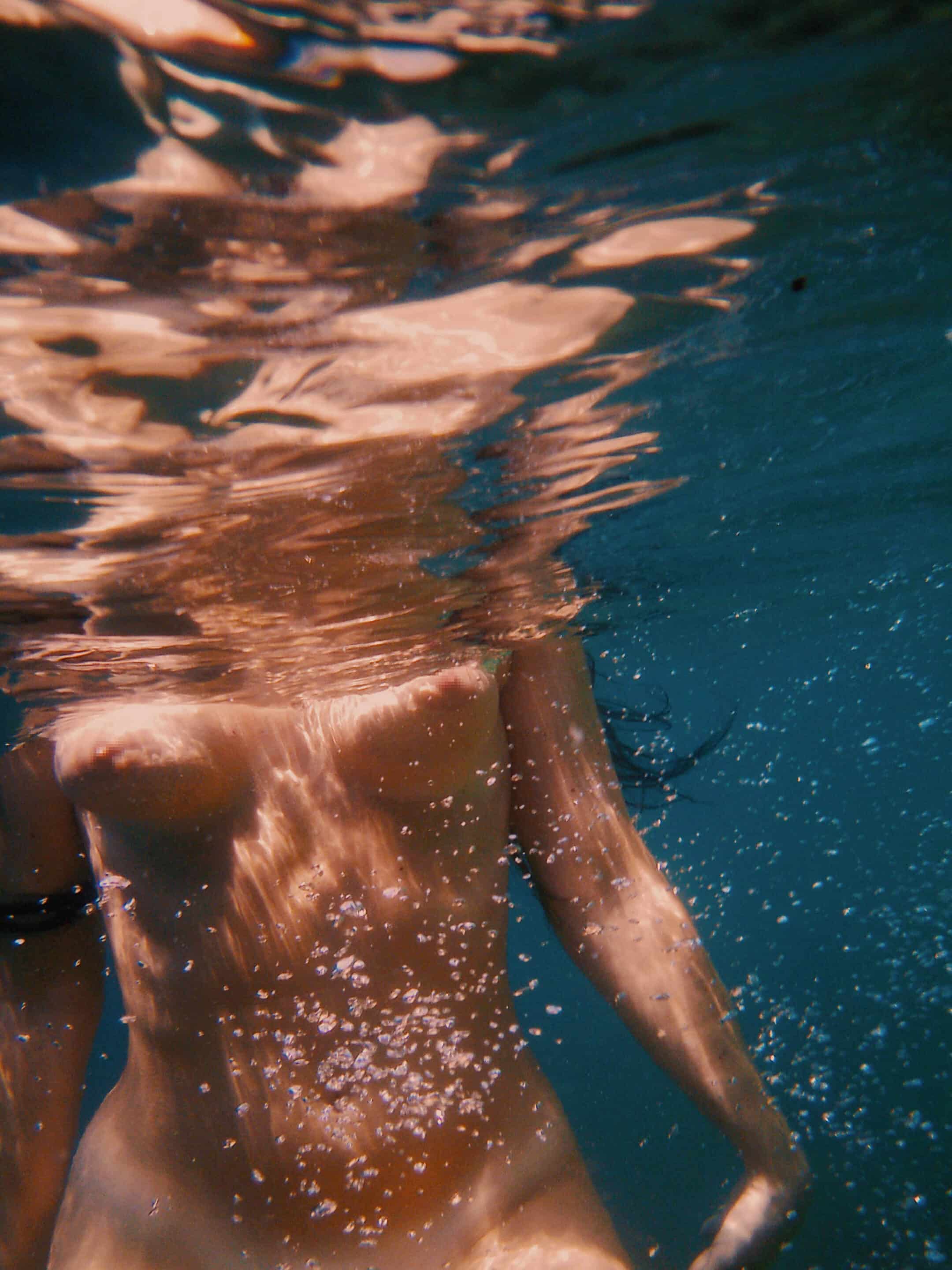
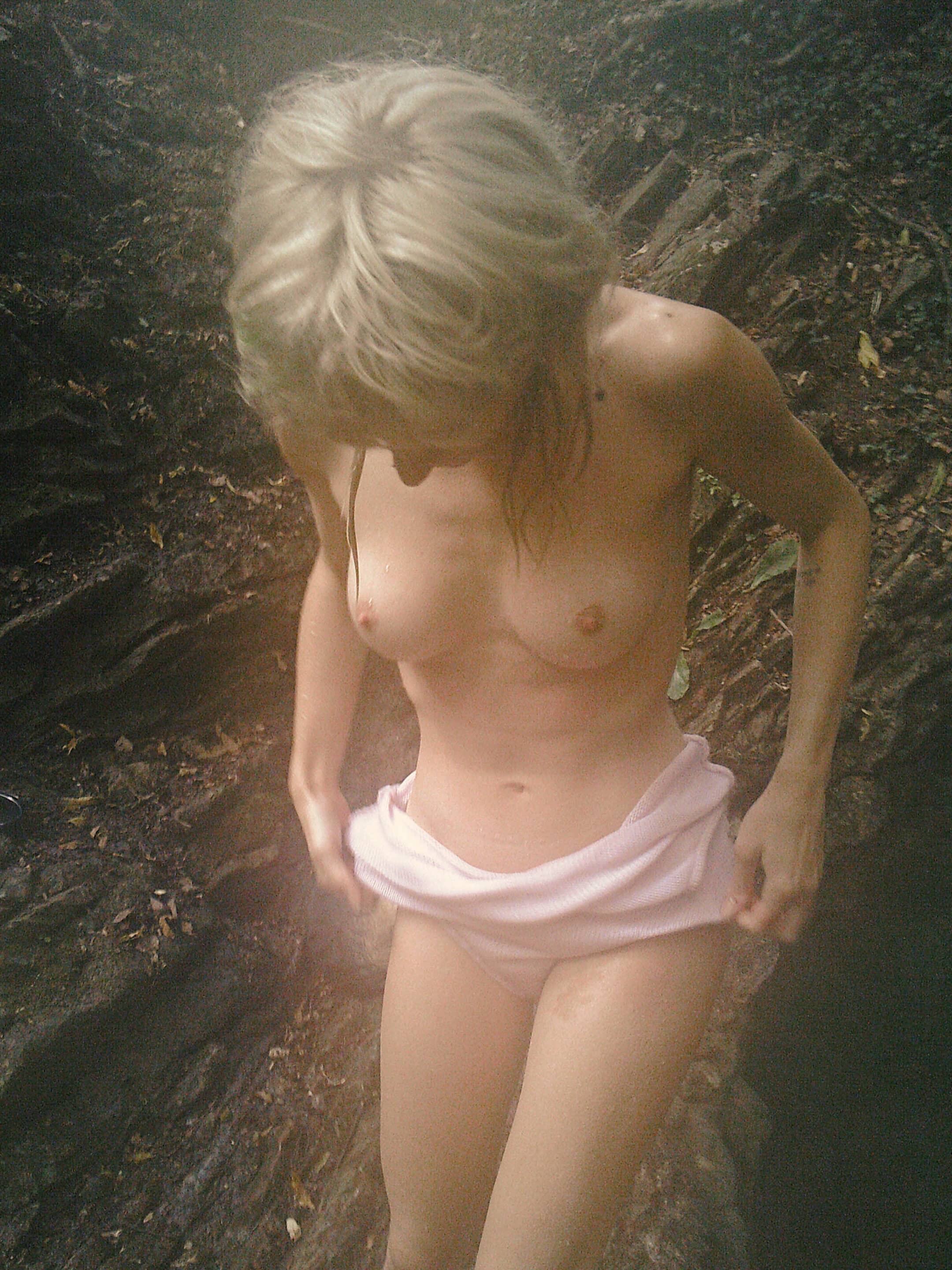
Green Generation (2021-2022), © Arianna Genghini
That is true for both male and female models. What changes, however, is that the experience of womanhood, perpetually nourished by the male gaze and sexualisation, is intrinsically linked to the idea of being perceived, observed, looked at. As a result, all women exist in a state of permanent self-surveillance, which in turn manifests in their creative practice: “John Berger talks about it in his Ways of Seeing and it resonates with me a lot. When female models pose for a picture, you can really see their internal surveillant come out, and I can also feel it influencing my behavior when I shoot. It’s where my fear of being too intrusive or explicit comes from. I think it’s very difficult to shoot another subject without removing this filter.”
Forever striving for unfiltered intimacy, Arianna decided to explore the limits of this state of auto-vigilance, choosing to believe that in some contexts, it is possible to escape it. For her, that meant returning to a format she frequently worked with in earlier stages of her life: a self-portrait.
“I think what makes me the most comfortable is to shoot myself. It’s easier to achieve the intimacy and the vulnerability I want. Doing it allows me to clearly see the duality in the experience; I can detach myself from the self-surveillance or I can submit to it, and it really depends on how exposed my body is. At least in this particular time of my life.”
So yes, it would seem that gender discrepancies still exist, and yes, so does the infamous double standard. Ultimately, men and women experience their own bodies differently, so the way they interact with the human body in art is also necessarily different. But as far as nakedness is concerned, it’s not the profound discomfort of unmasked vulnerability that sets us apart—that one is true for all humans. It’s knowing WHY we feel it. There is no denying it: the gaze cannot be escaped. That means female artists feel it following them at all times, which makes it difficult not to be aware of its weight. And ironically enough, it’s this awareness that shapes their approach to nudity in such a mindful, intentional way.
In the spirit of progress, I am not going to put Arianna in a box, reduce her to a female artist. Instead, I choose to see her as an artist who happens to be female, but who is first and foremost aware. Aware of her own body, aware of the bodily experience of her subjects, and aware of the entire system of associations that comes with it. “I think nudity is still taboo. And I think it’s always going to be, because it makes you uncomfortable. It doesn’t mean you shouldn’t work with it or you shouldn’t see it, because art has always been about making people uncomfortable. And it’s a good thing.”
The reason why the risk of sexualisation is still there, fourth-wave feminism notwithstanding, is that it is an inherent part of the bodily experience—and it always will be. It’s not about getting rid of this link altogether. It’s about learning to only see it as a part of a bigger whole. Sure, the body is about sex, but it goes far beyond that. It’s a mysterious machine, charged with underlying tensions, a receptor to both deliberate and forced sensory stimuli, a reflection of our physical and mental health. It’s not one of those things, but all of them at once: a complex spectacle of opposing forces occurring at once in the flesh we inhabit. It’s that complex spectacle that pours out of artwork featuring the naked body. And it’s that spectacle we live through when we admire it: revealed, magnetized, unable to look away.