Photo Credit @TORI.X.TIAGO
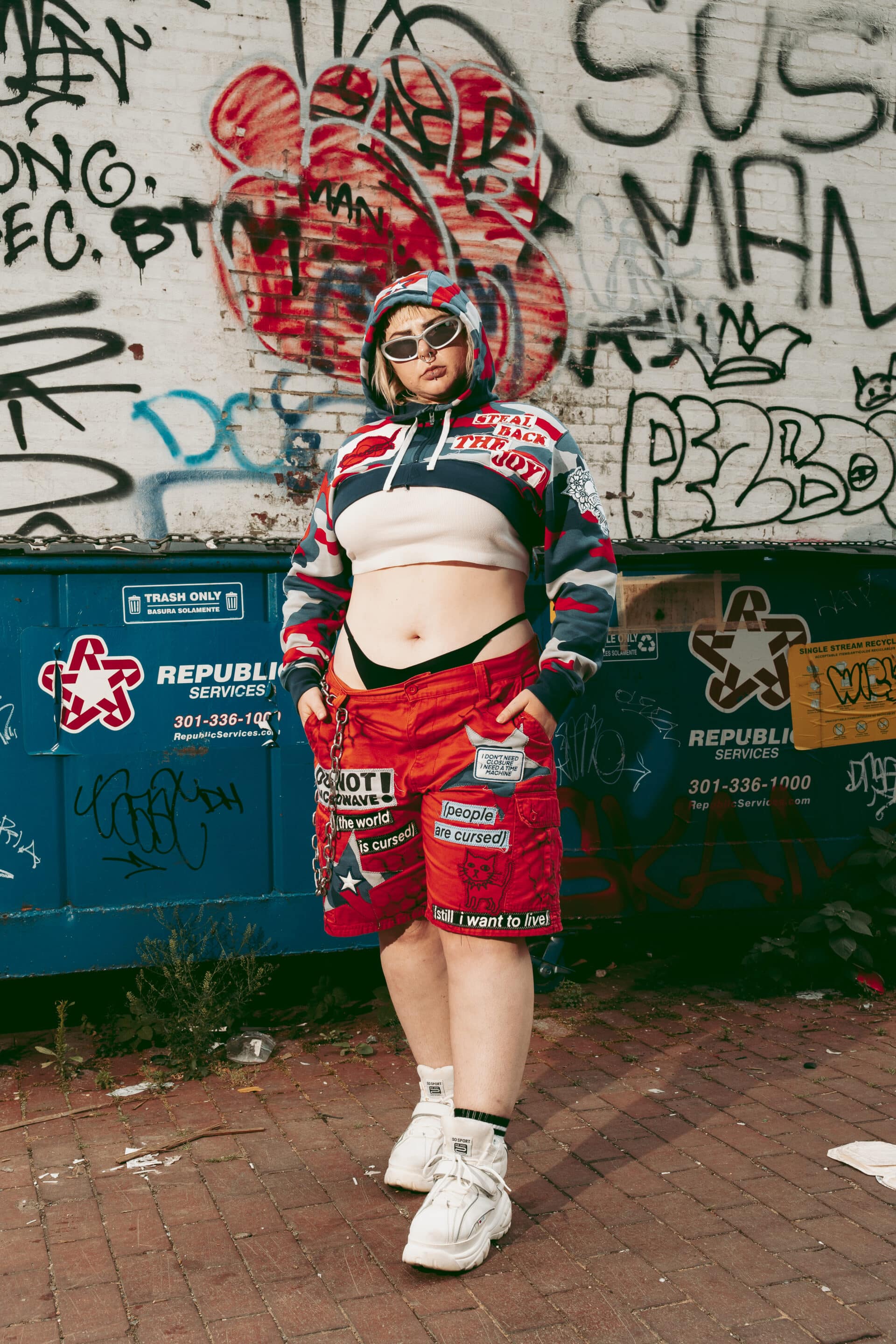
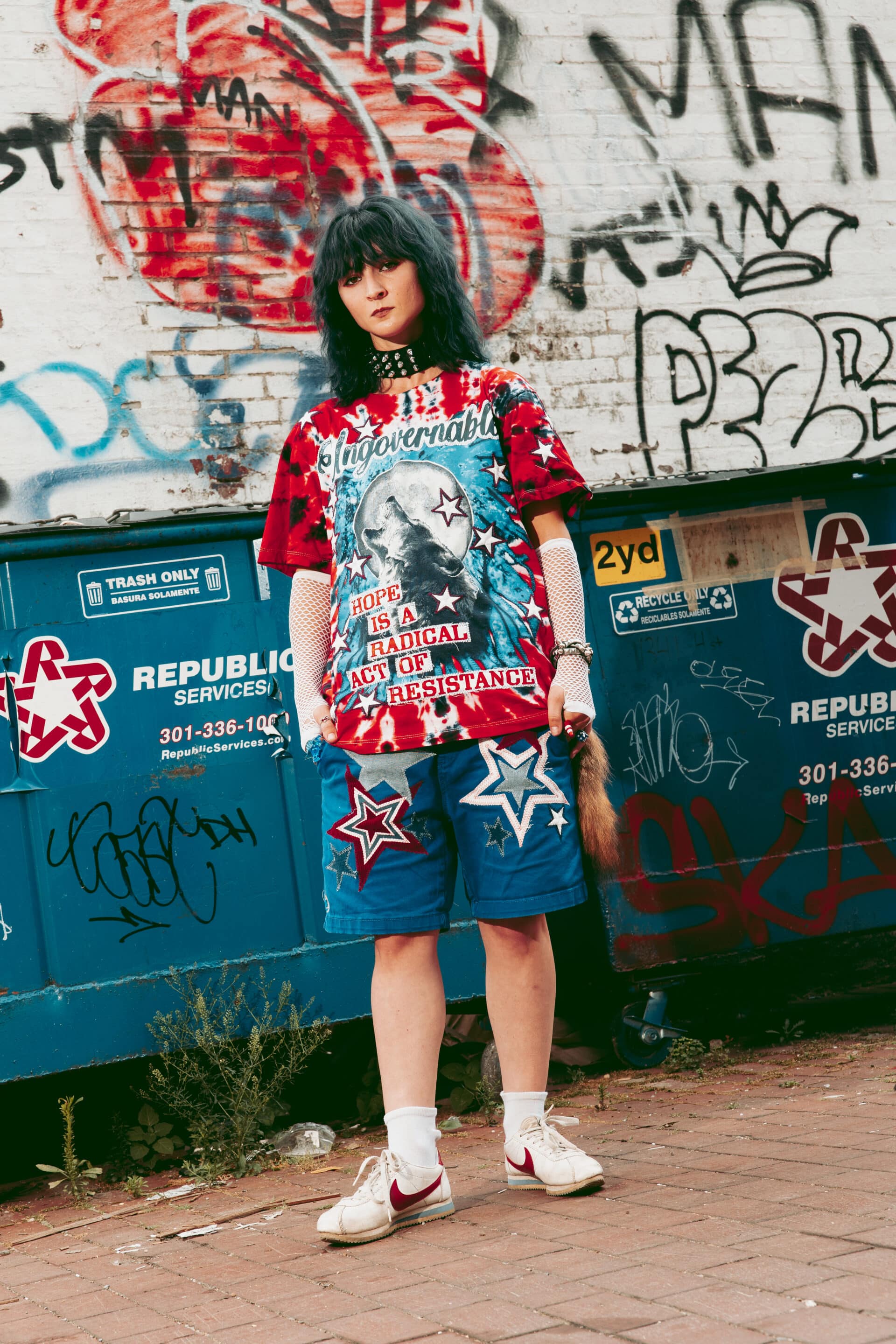
As Pride Month reached its finale, STATIC: A Queer Fashion Disruption refuses to settle for rainbow capitalism or carefully packaged inclusion. Presented by QueerTalkDC and DYKEMINT, the Washington, D.C. runway became something increasingly rare in contemporary fashion: a community-built space where clothing functioned simultaneously as art, protest, environmental activism, and personal liberation.
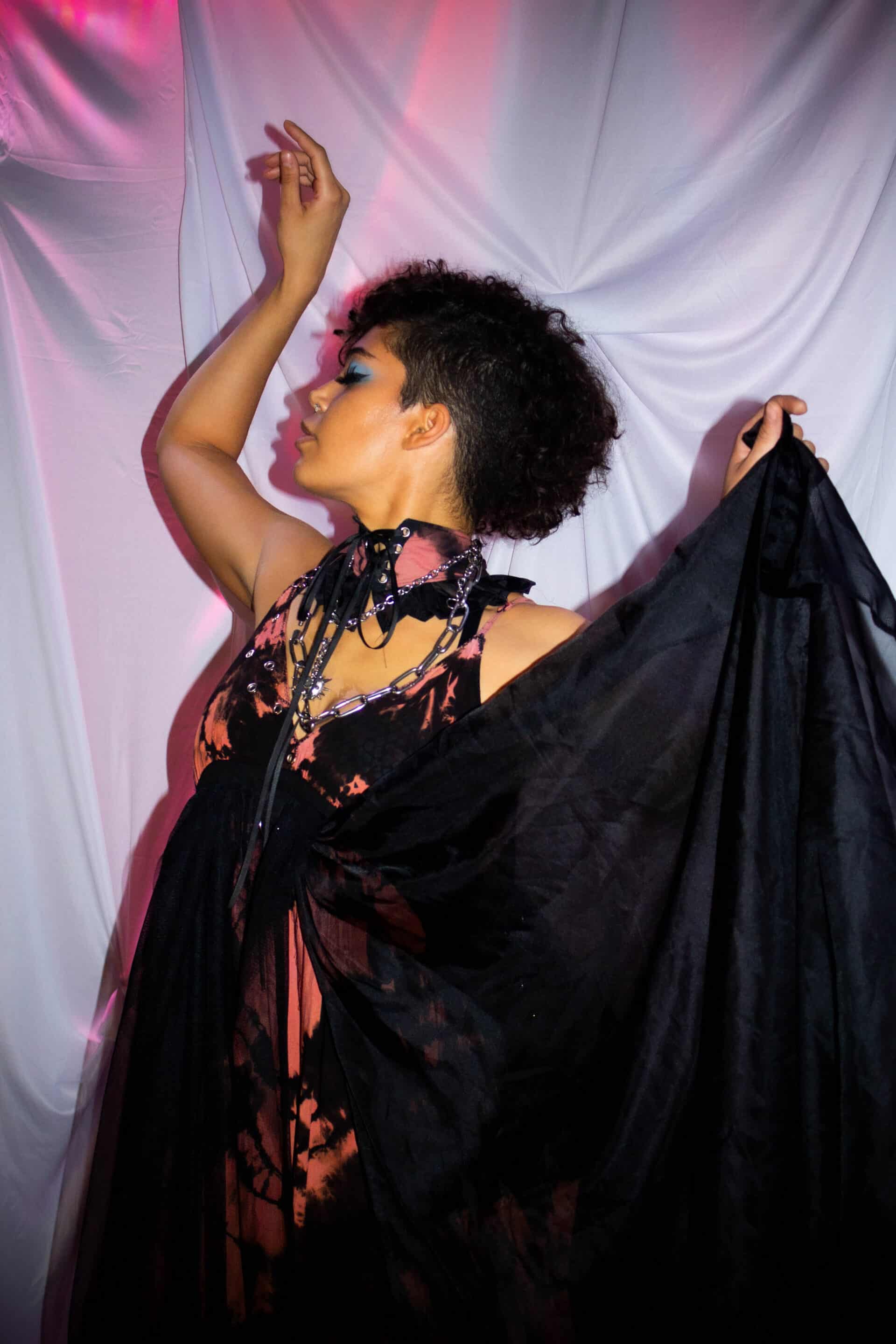
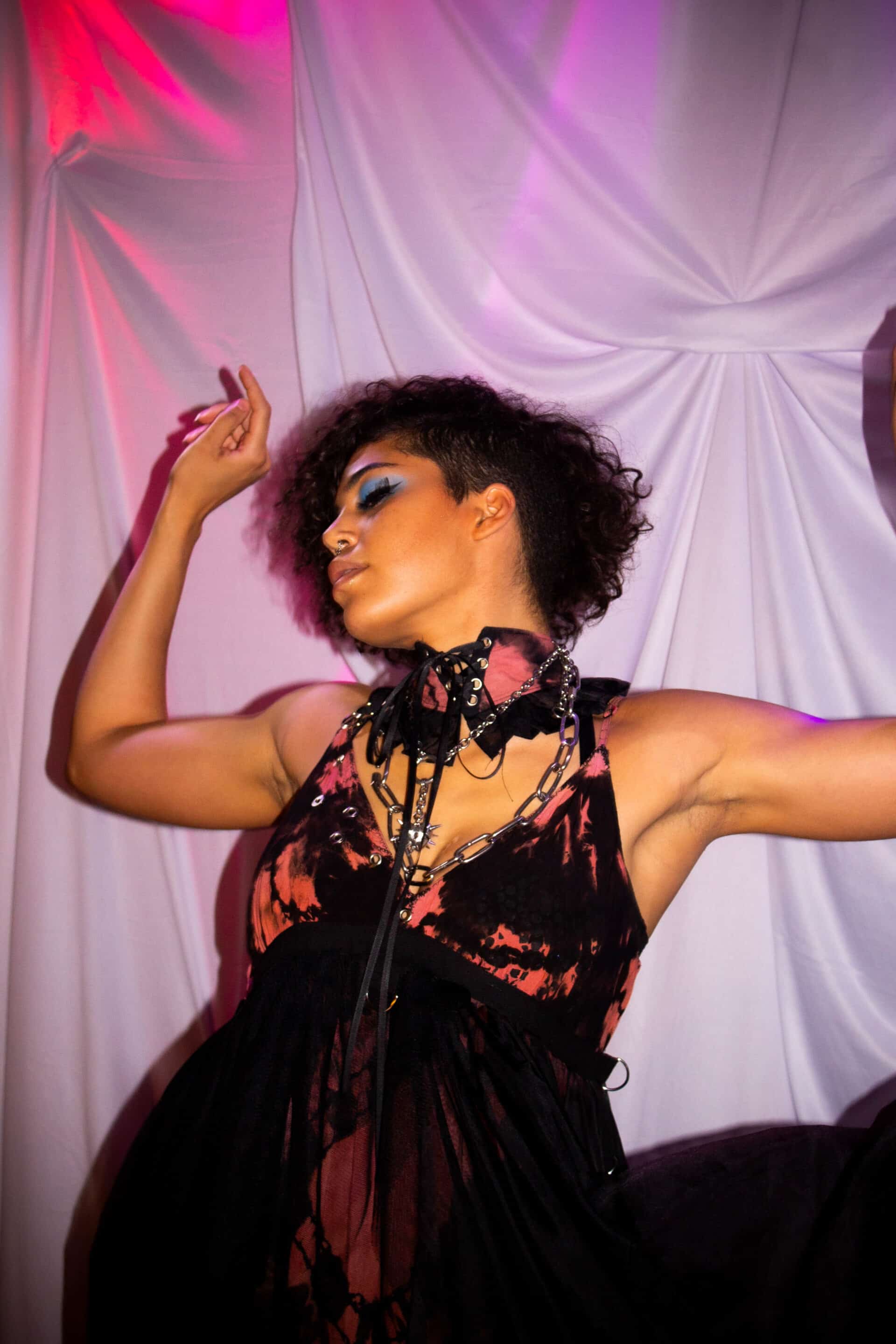
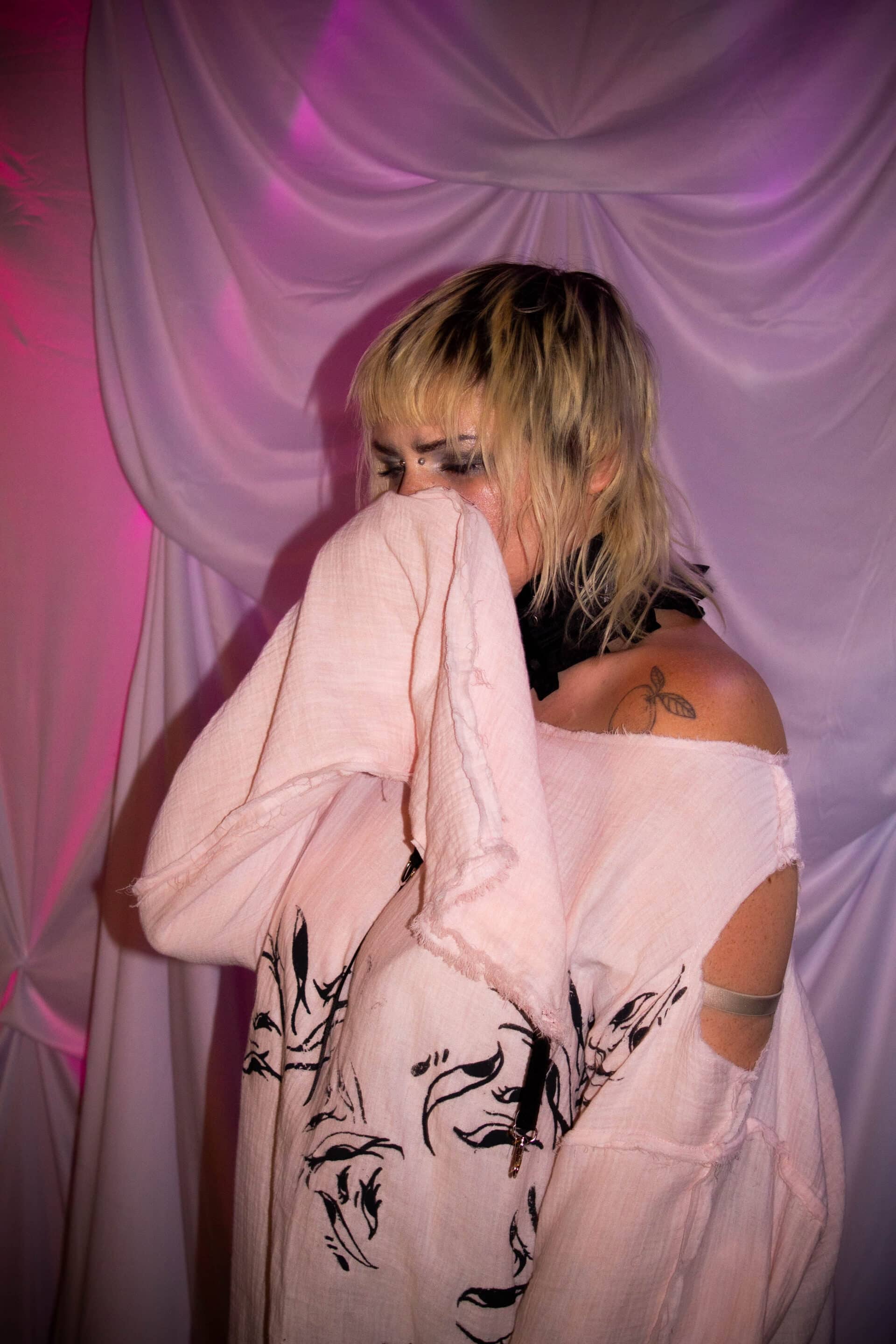
Rather than chasing luxury aesthetics or viral trends, STATIC gathered designers from across the East Coast united by a shared philosophy—”make everything by hand, reclaim what has been discarded, and allow queer identity to exist without compromise.”
Hosted inside Transmission DC, a queer and BIPOC-owned venue, the show “positioned sustainability not as a fashionable buzzword but as an extension of queer history itself. Long before upcycling became an industry trend, queer communities had been reconstructing wardrobes from thrift stores, discarded textiles, and whatever materials survival allowed.” STATIC simply placed that legacy where it belongs: at the center of the conversation.
For DYKEMINT founders Fi Black and Lita Black, the event emerged from a desire to build something Washington had never truly possessed: an entirely community-driven queer fashion platform operating outside traditional industry gatekeeping.
“Washington isn’t known as a fashion capital,” they explain. “It’s a political capital. Producing a queer fashion show here carries a different weight than doing it in New York.”
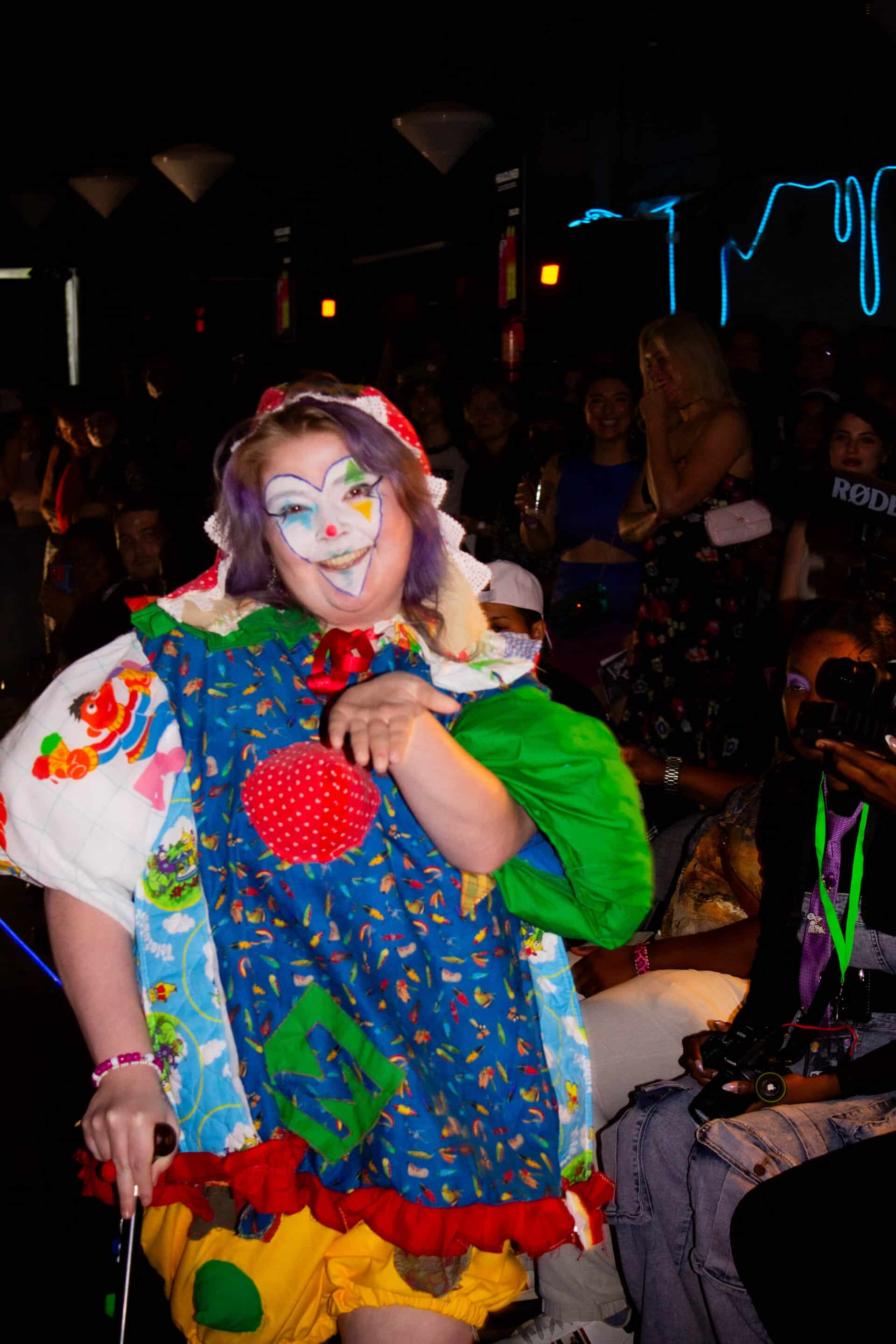
That political awareness runs through every garment.
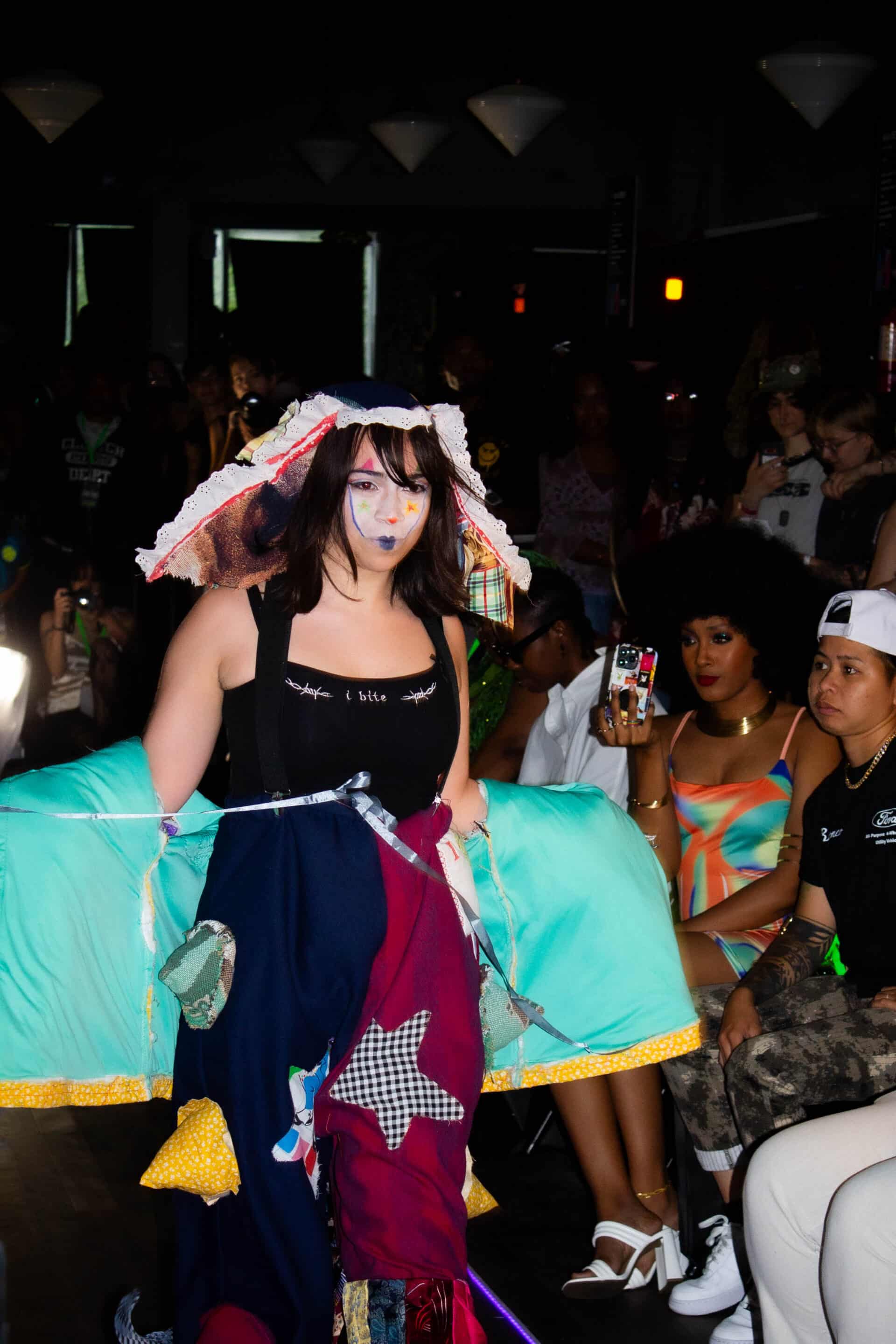
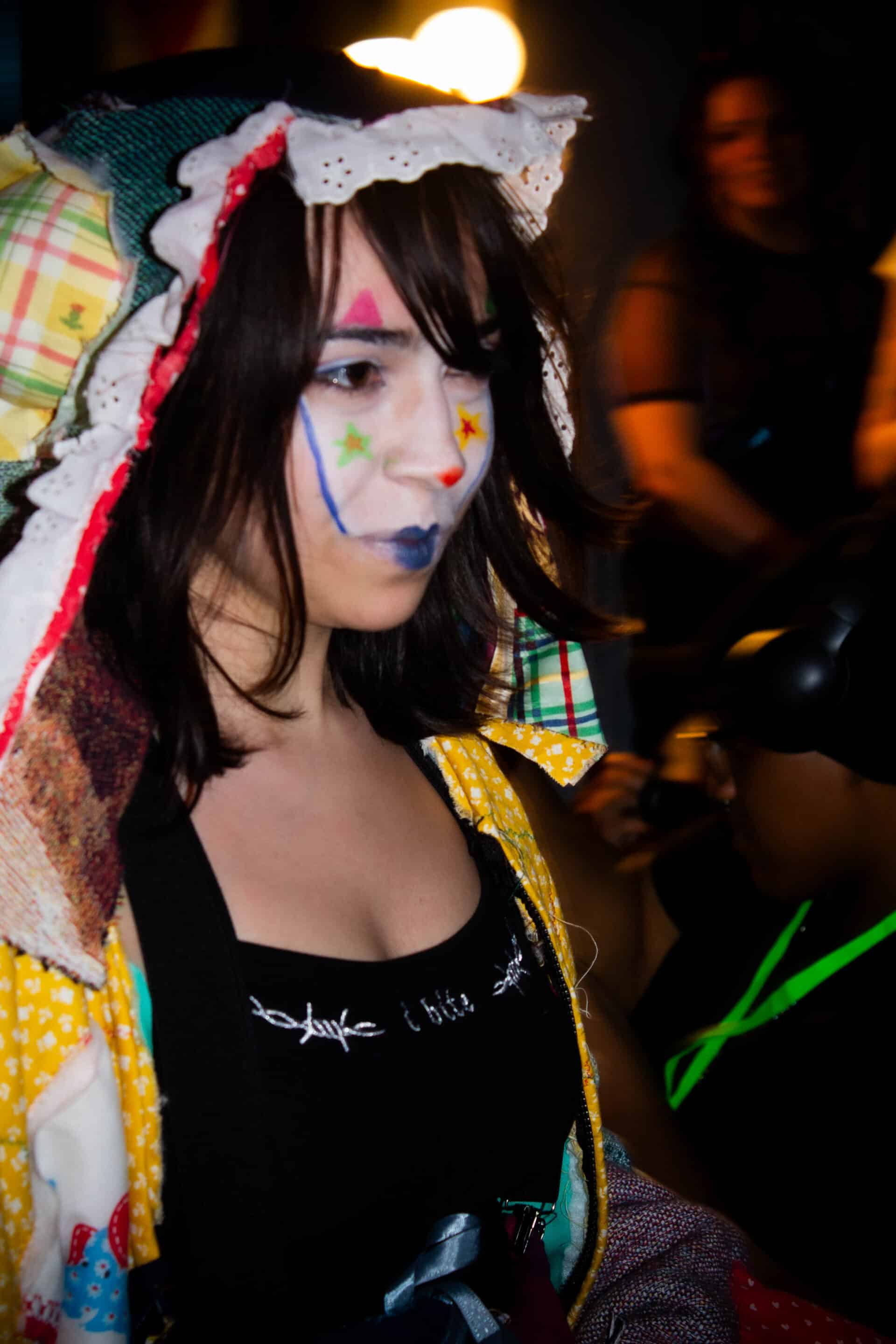
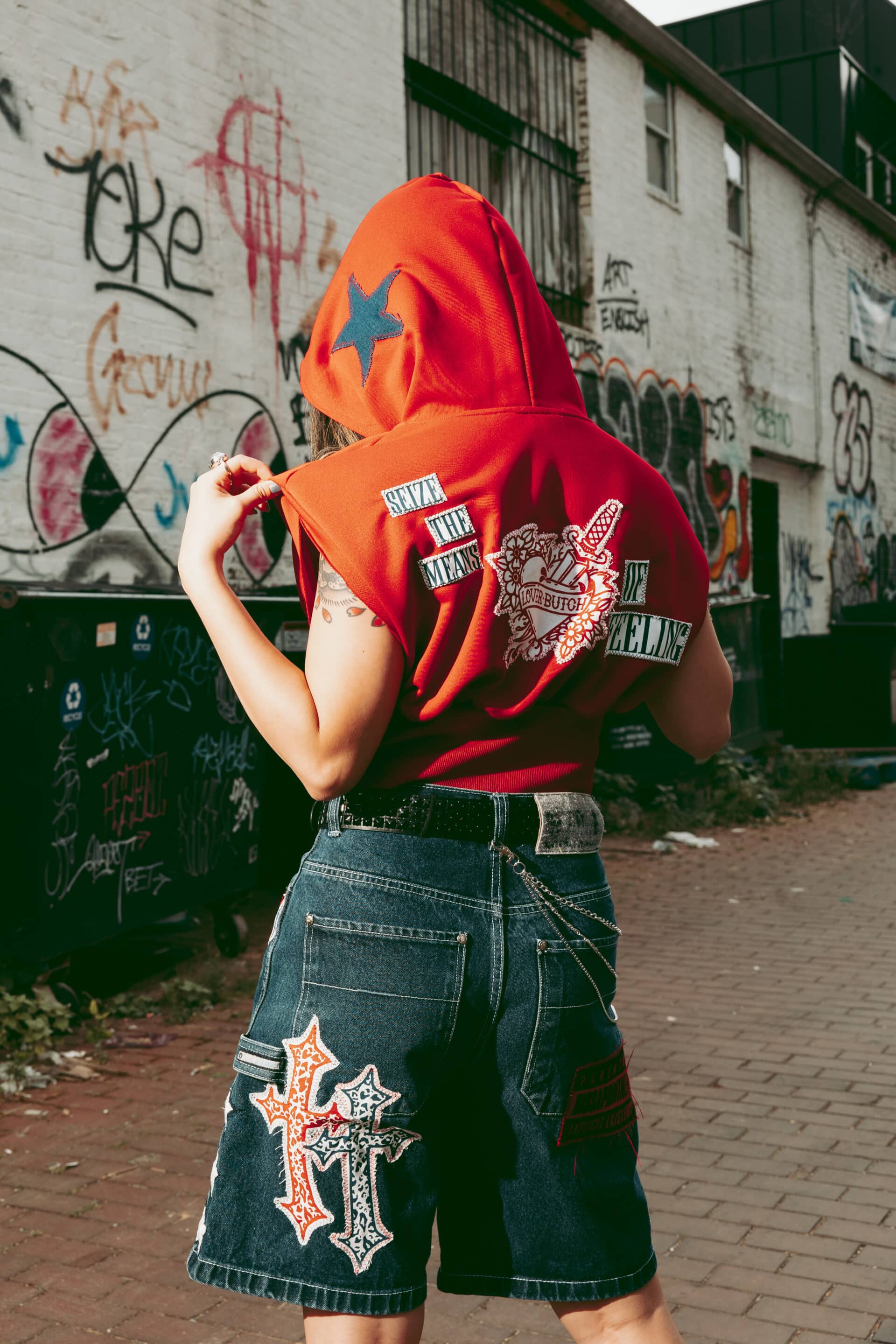
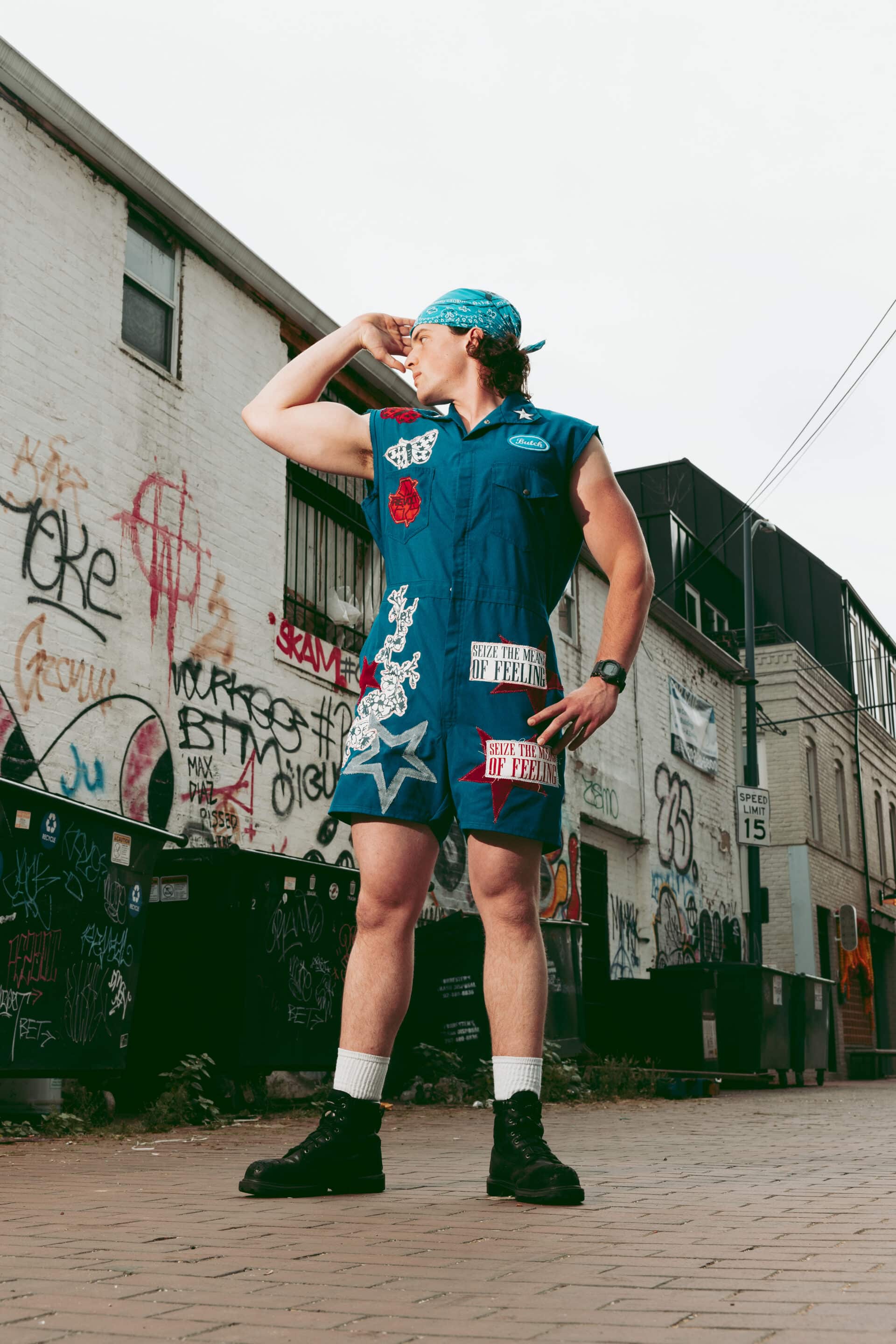
Instead of collections manufactured for retail, nearly every designer creates one-of-one pieces built from reclaimed materials. The garments become physical manifestations of reinvention, transforming what society discarded into objects demanding attention. As DYKEMINT describes it, that process mirrors queer experience itself: rebuilding beauty from systems never designed to accommodate you.
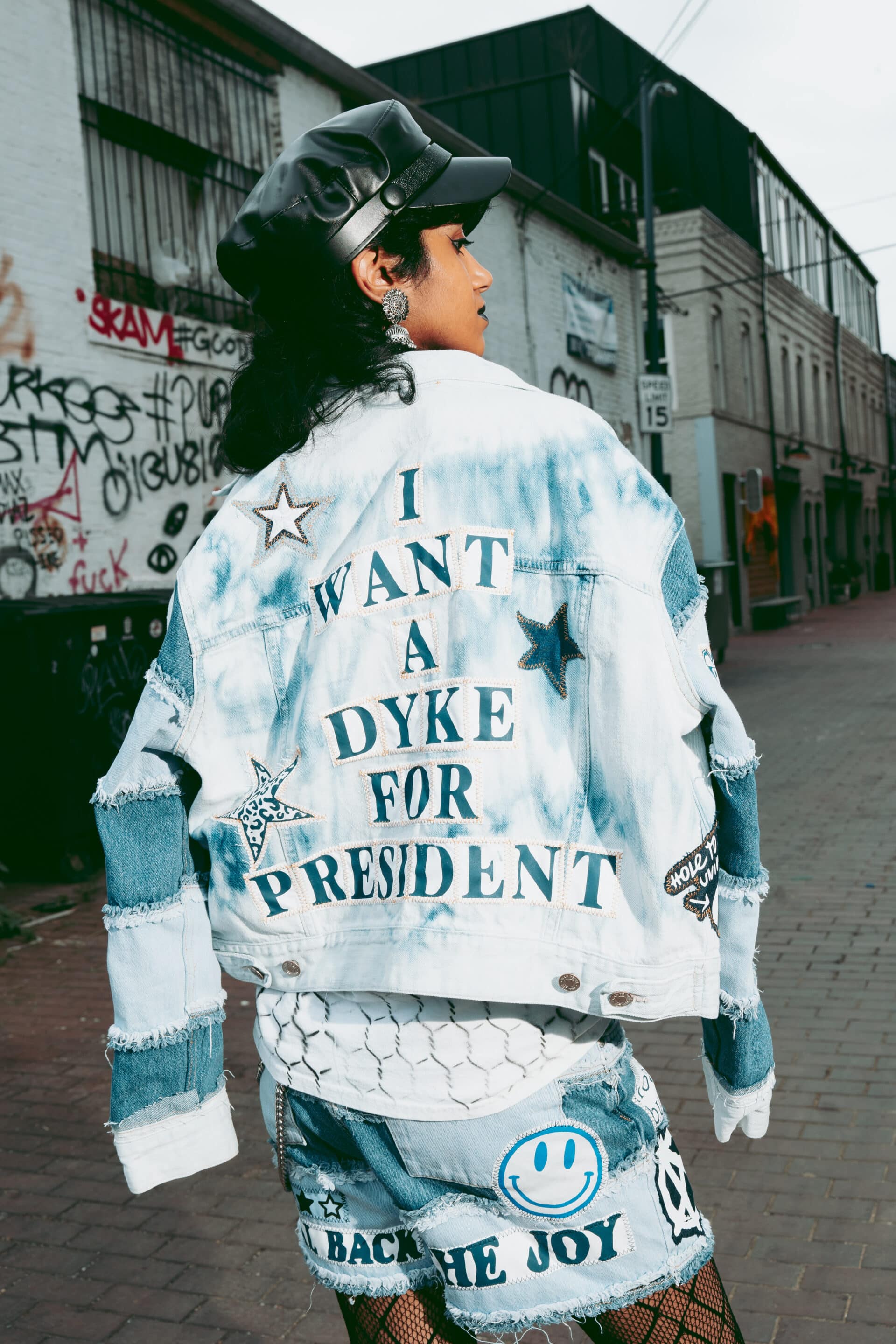
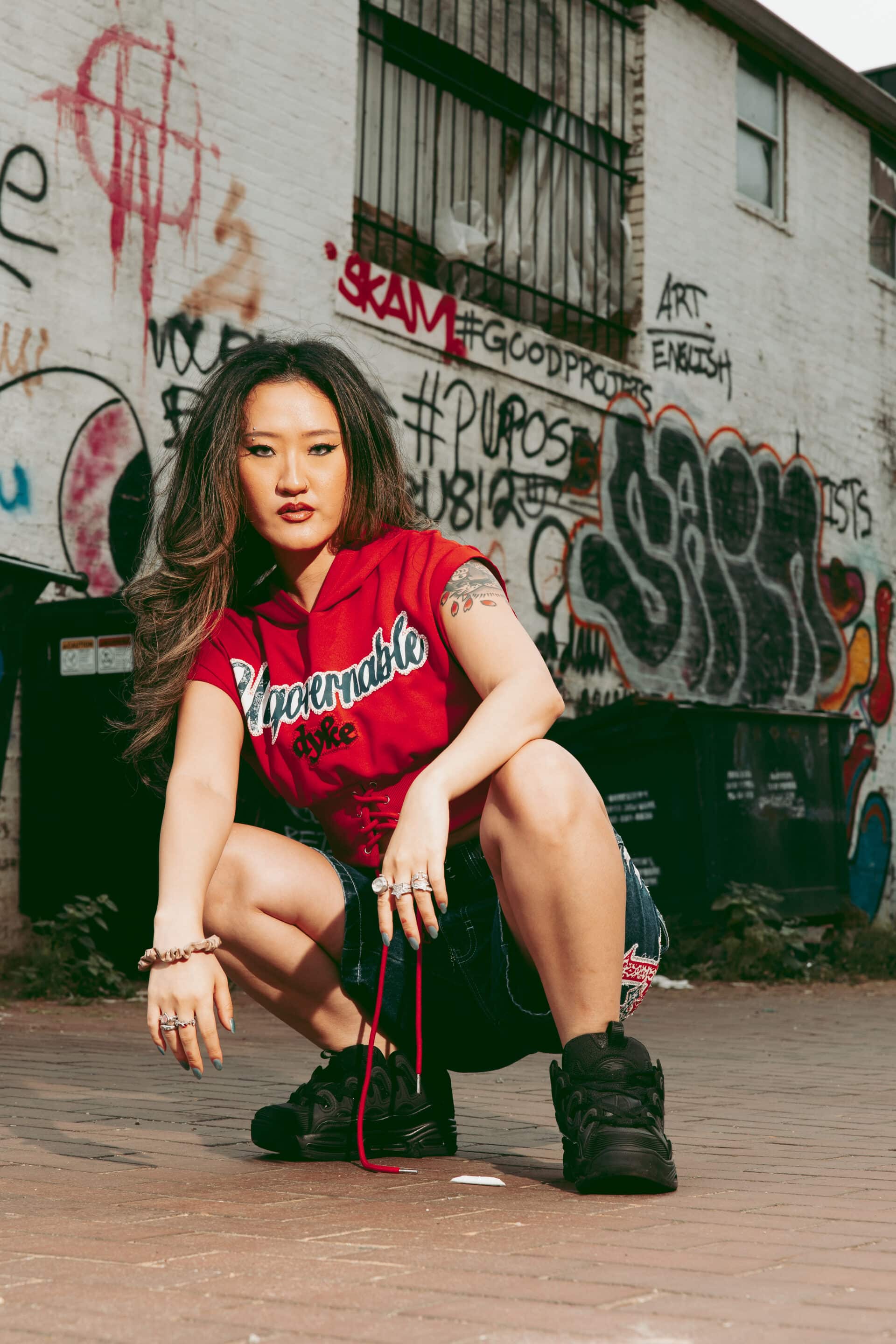
Few brands embodied that philosophy more vividly than DYKEMINT itself.
Known for chaotic maximalist collages constructed from thrifted garments, the duo has already shown at New York Fashion Week and is preparing for London Fashion Week. Yet despite growing recognition, their work remains deeply rooted in memory rather than commercial aspiration.
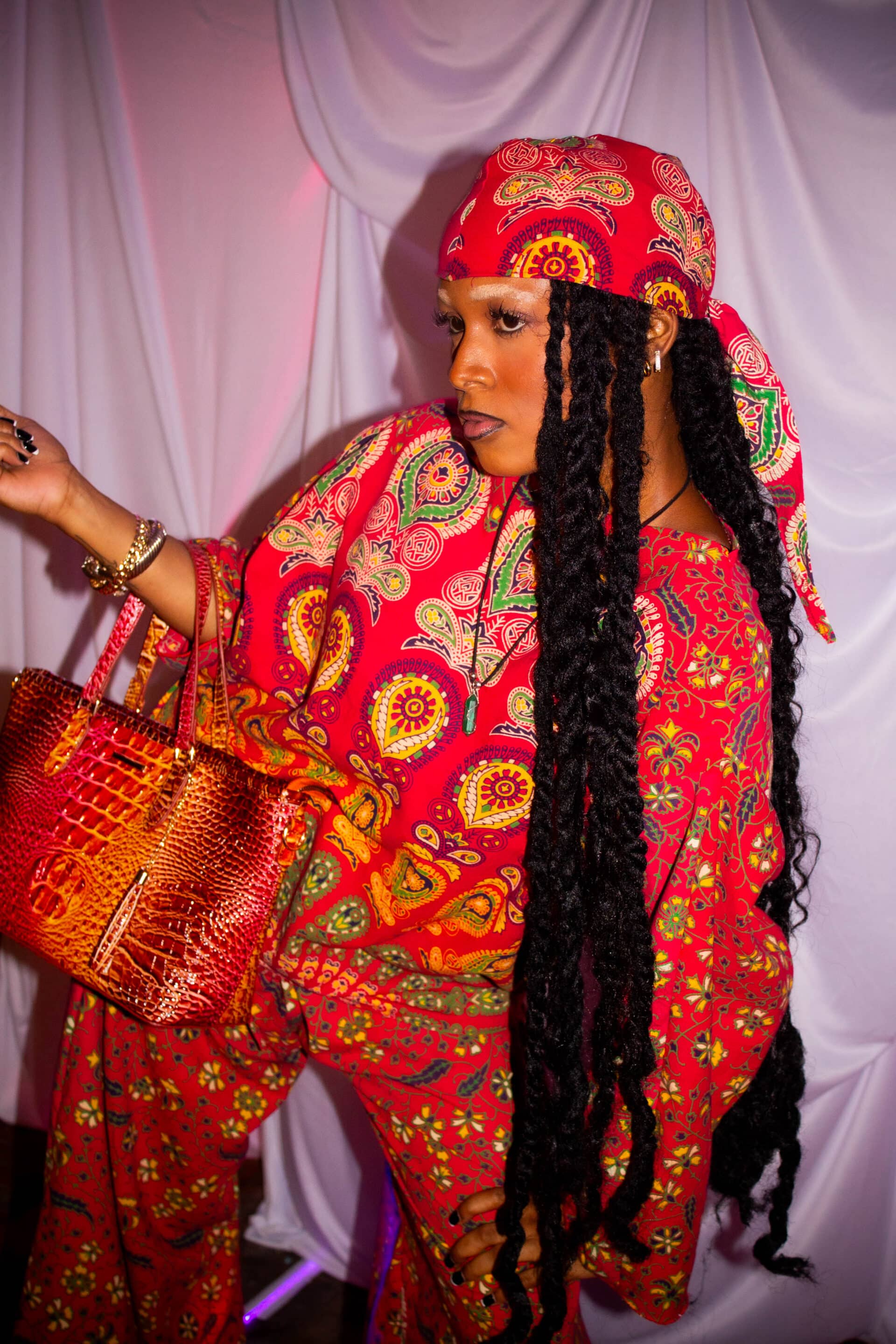
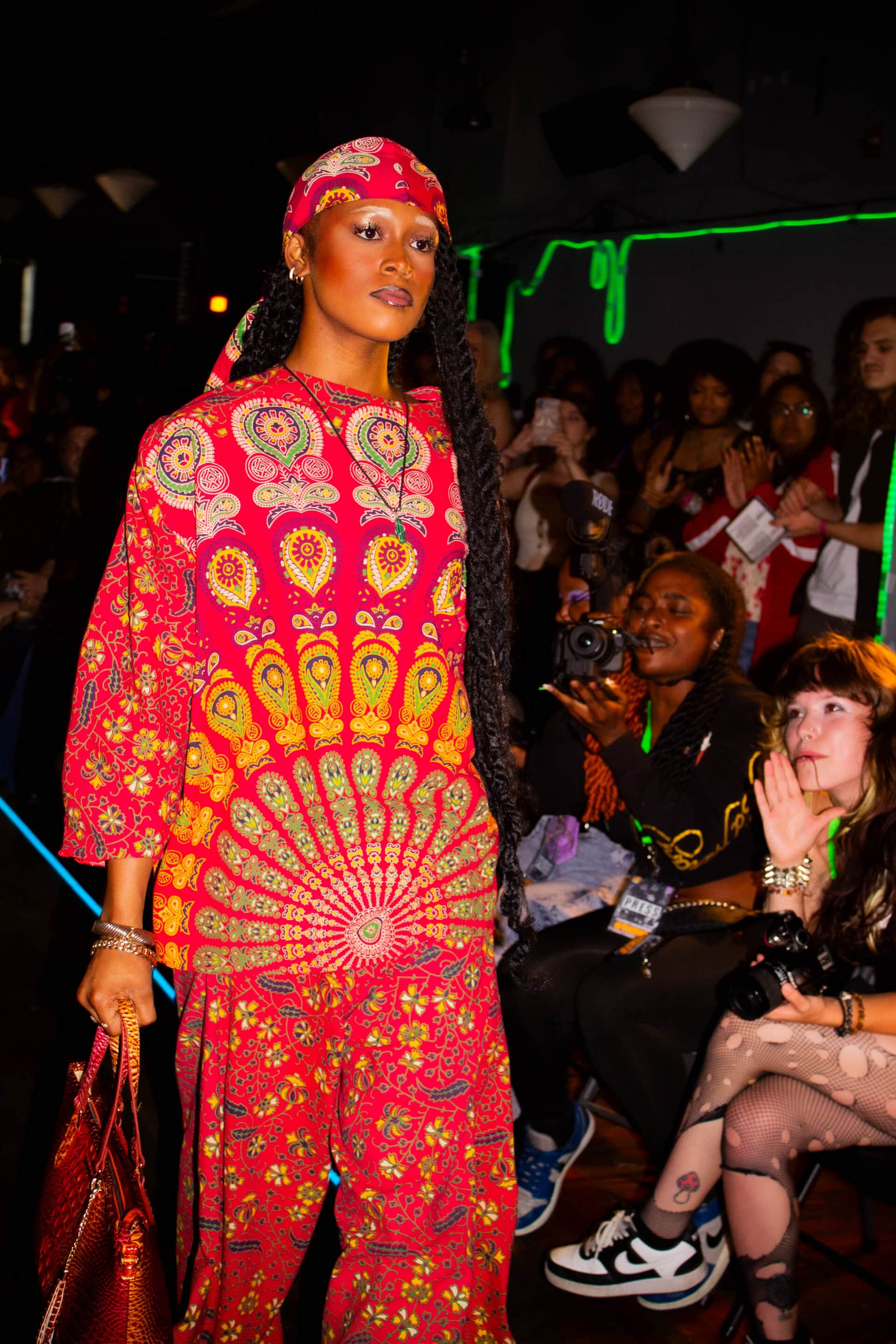
“Our clothes preserve the feeling of growing up queer and online,” they explain. “Anime, fandom, maximalism, loud color—things we were told were embarrassing become something you can actually wear on your body.”
Elsewhere, designers expanded the conversation in radically different directions.
SONNY AND CHELLE fused tailoring, punk history, and political resistance, drawing inspiration from movements ranging from the Black Panthers to anti-war protests. Rather than inventing new narratives, they see fashion as a means of continuing unfinished historical conversations, reminding audiences that style has always accompanied social change.
For MOTHERMORPHOSES, anime, cosplay, and alternative fashion dissolve entirely into one creative language. Their work argues that cosplay has always been fashion—and that authenticity begins the moment people stop dressing to satisfy everyone else.
“Life is way too short to not do the things you want to do,” they say. “Stay authentic to yourself.”
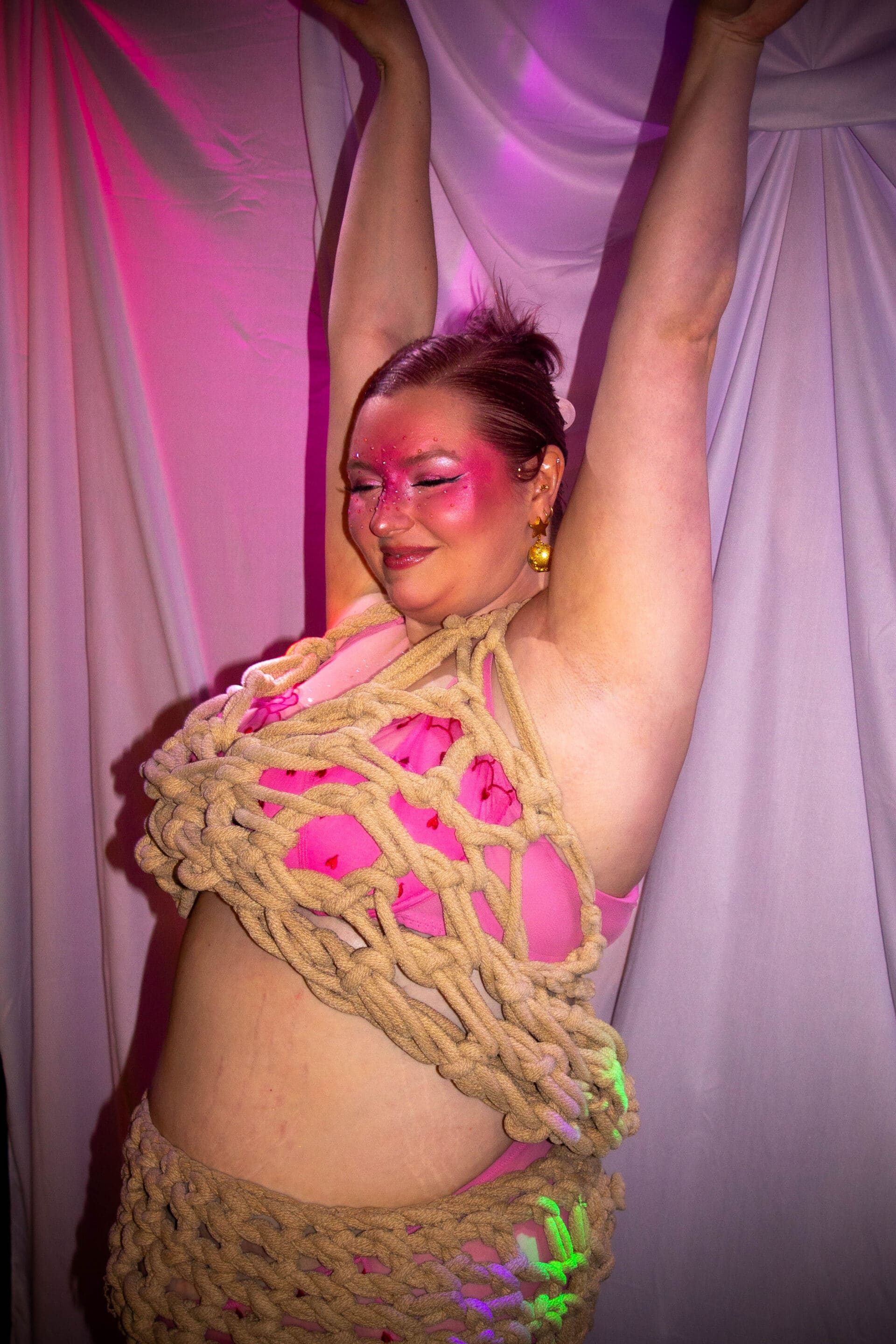
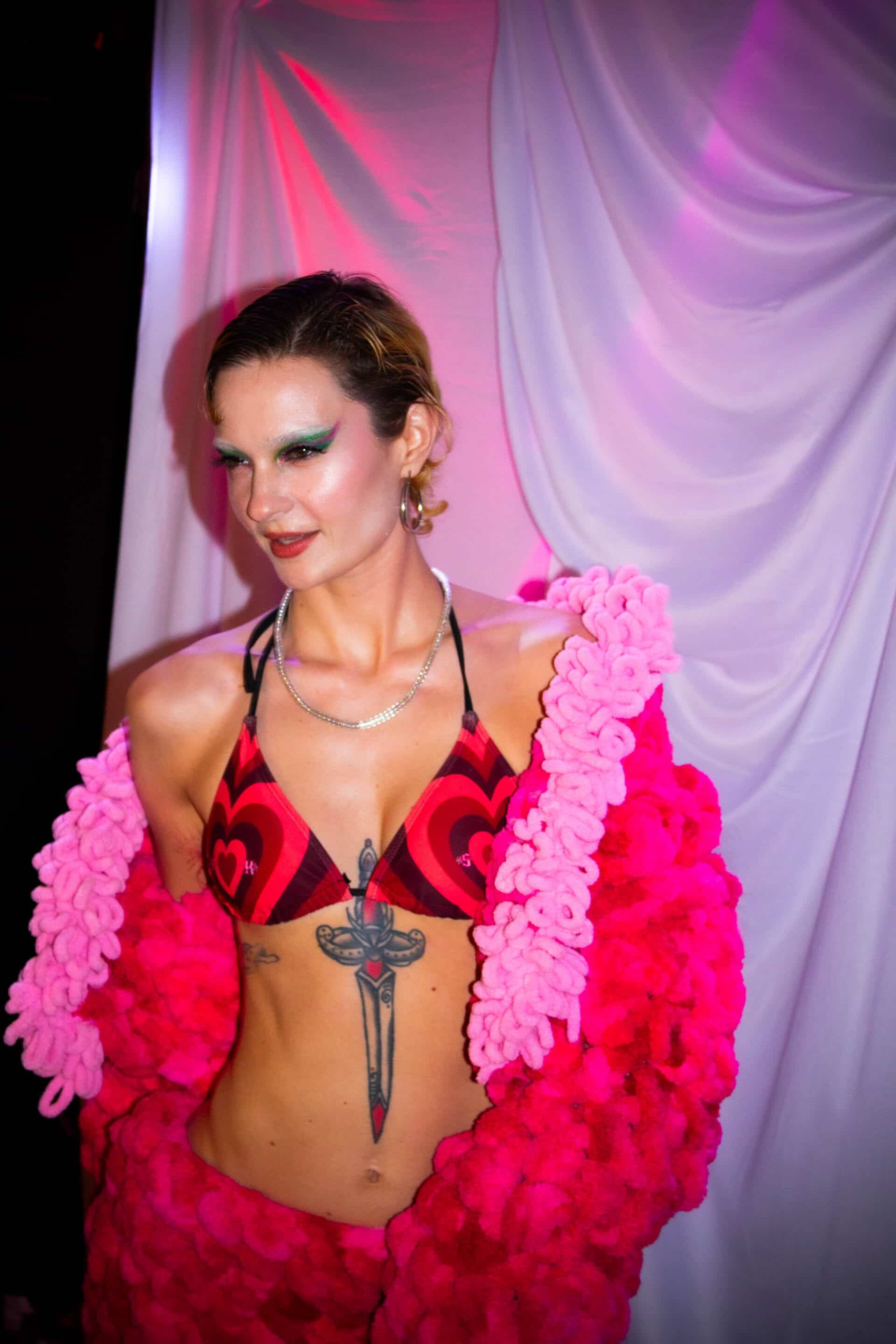
Meanwhile, LIVE BAIT explored vulnerability through garments inspired by Japanese Heisei punk, kimono traditions, and sleepwear, suggesting that softness itself can become a form of rebellion in an era increasingly dominated by performance and algorithms.
“In a world shaped by social media,” they explain, “authentic vulnerability becomes its own kind of resistance.”
For DEADBEAT DEVIL, sustainability begins with rejecting disposable culture entirely.
Every garment is handmade from recycled materials, a practice born as much from necessity as environmental conviction. The label’s philosophy remains remarkably direct: create clothing for “freaks, weirdos, dirtbags, or anyone who has ever felt rejected or ashamed for being themselves.”
What unites these seemingly different aesthetics—from punk to visual kei, cosplay to sculptural crochet—isn’t visual consistency but process. Every designer cuts, stitches, constructs, and finishes each garment themselves. Their relationship with clothing remains physical, intimate, and inseparable from the body creating it.
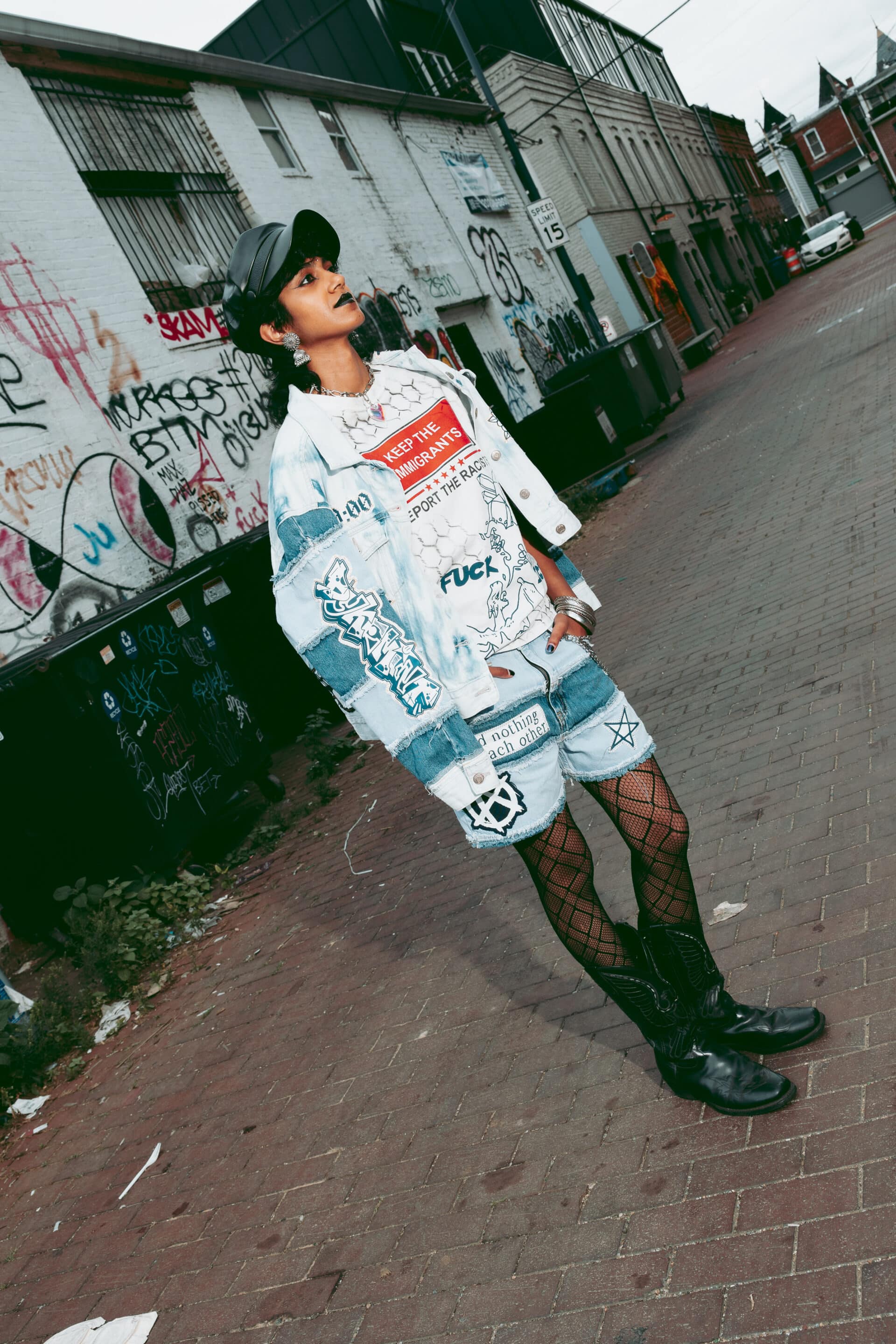
Photo credit: @abby.leephoto on Instagram
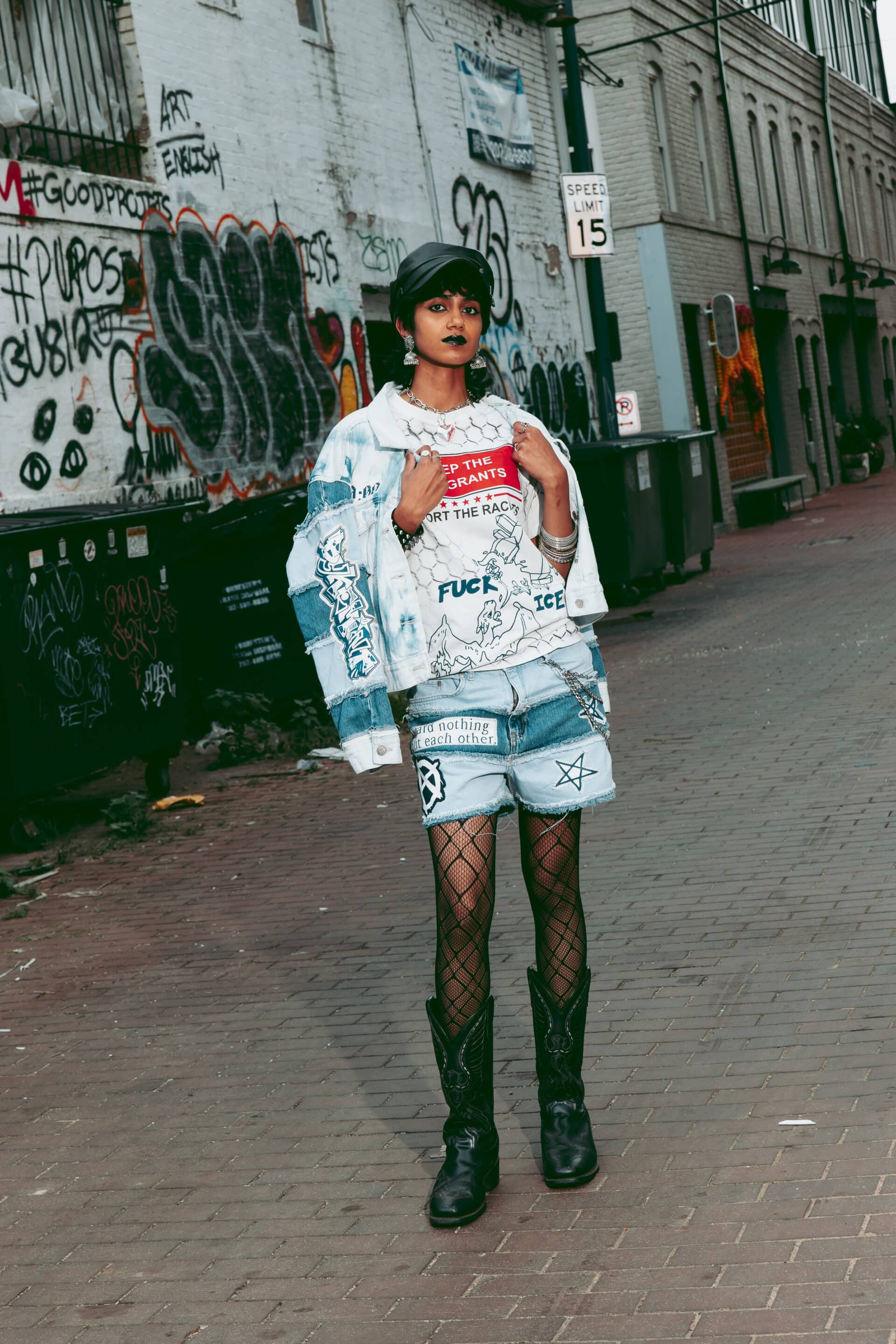
That intimacy feels increasingly radical in an industry dominated by outsourcing, algorithms, and scalability.
Rather than asking what fashion can sell, STATIC asks what fashion can say.
Its answer is refreshingly uncompromising: clothing remains one of the most immediate ways people negotiate visibility, identity, safety, and belonging. Every silhouette becomes a conversation. Every reclaimed textile carries history. Every runway appearance becomes an act of witnessing.
Perhaps that is STATIC’s greatest achievement.
Instead of imagining a future where queer designers are finally welcomed into existing systems, it quietly proposes something far more ambitious: building entirely new ones.
Community over corporations.
Craft over mass production.
Visibility over respectability.
Not because those ideas are fashionable—but because they’ve always been the foundation of queer survival.