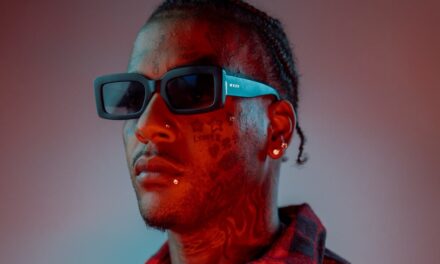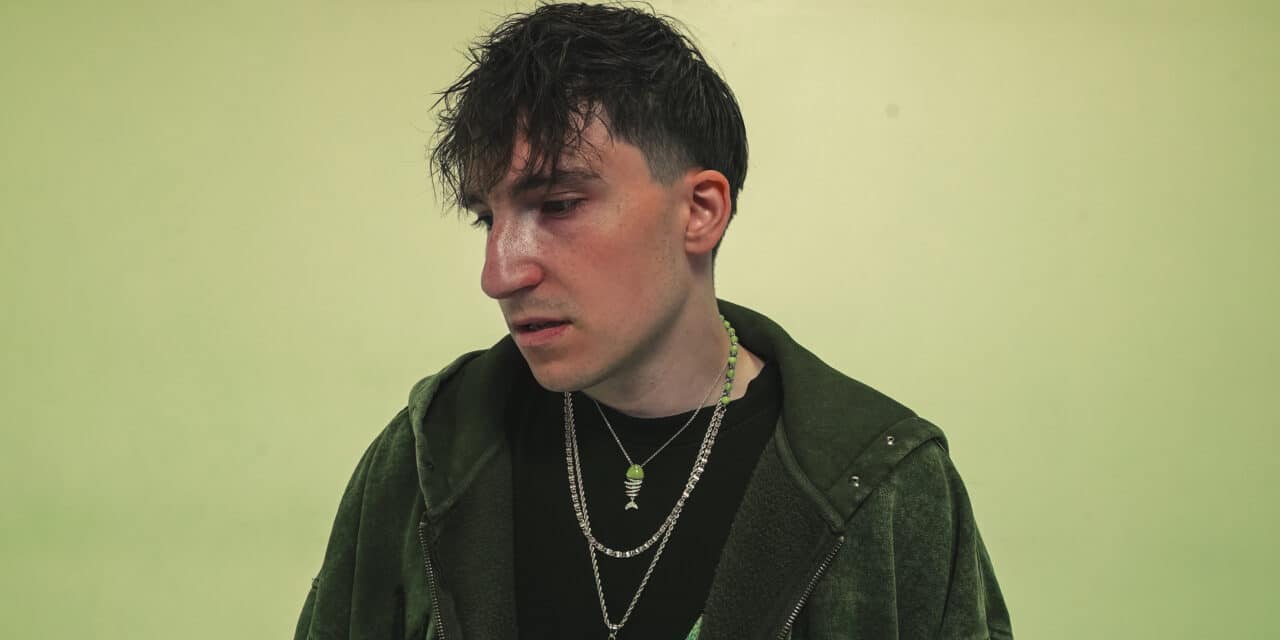
Few artists have built a reputation on technical excellence quite like Token. From his viral teenage freestyles and dizzying lyrical acrobatics to sold-out tours, millions of listeners, and collaborations with artists across the globe, the Boston rapper has long been recognized as one of hip-hop’s most gifted technicians. Yet with his forthcoming album I’m Leaving Soon, arriving July 24 via his own label Never Too Different, Token turns away from simply proving how well he can rap. Instead, he delivers what may be his most emotionally revealing project to date.
Written during a period marked by unexpected health concerns, growing reflections on mortality, and the lingering grief of losing his father, I’m Leaving Soon examines what happens when an artist known for precision chooses vulnerability instead. The album doesn’t abandon the explosive energy and razor-sharp wordplay that first made Token stand out—in fact, lead singles “Locomotive” and “Locomotive – Part II” featuring Lil Darkie showcase some of his most ferocious performances yet. But beneath the intensity lies a deeper question: what truly matters when time suddenly feels uncertain?
The project also represents a new chapter creatively. Pushing himself beyond his naturally introverted instincts, Token embraced new collaborators while simultaneously confronting his own past through deeply personal songwriting. The result is an album that balances explosive hip-hop with moments of startling self-reflection, exploring accountability, grief, identity, and the unpredictable nature of personal evolution.
We spoke with Token about confronting mortality, embracing vulnerability over perfection, learning from loss, and why authenticity—not technical brilliance—is ultimately what leaves a lasting legacy.
I’m Leaving Soon feels like a turning point—not just musically, but personally. After everything you’ve experienced over the past few years, what did this album allow you to say that you weren’t capable of saying before?
I always got new shit to say because I don’t really get inspired to write until something new is happening in my life. But before this album, I never thought about my own death. When the concept was getting more and more talked about, it never really escaped my brain after that. That’s why lyrics about my mortality are scattered throughout the album.
Your music has always been technically impressive, but this project seems to prioritize emotional honesty over proving yourself lyrically. Was letting your guard down more challenging than trying to out-rap everyone in the room?
I wouldn’t say it was more challenging or less challenging. I’m just inspired by different things now. I came into this as a young kid trying to prove to everybody that I was meant for a culture that wasn’t created for me. That shit resulted in me just being extra fucking technical because that’s what I thought would work. At this point, I’m just inspired by different things and bring more important things to music.
Throughout your career, people have often focused on comparisons, whether to Eminem or other technically gifted rappers. How has your relationship with those comparisons evolved now that you’re creating from a place that’s far more personal?
I wouldn’t be anywhere without Em’s influence, so it was difficult for me to get too frustrated about it because I’ve always been so aware of that. But I will say, when I was like 17 and 18, I felt it got out of hand and it was important to me to try to prove people that I’m something different. When I was younger, I just sounded more like him. I feel at this point, my music is so clearly different from his and we’re into a lot of different things, but his music DNA will always be a part of mine.
The Diary interludes revisit moments from your youth with a level of self-reflection that feels both uncomfortable and compassionate. Why was it important to confront not only the ways you’ve been hurt, but also the ways you’ve hurt others?
I feel my purpose in hip-hop is to tell my full truth. I don’t think technical ability or fly wordplay, which were the things I was known for at the start, are enough to make you a legend. I feel what separates me is my unique perspectives and my unique experiences. I don’t care about throwing myself under the bus. Usually all my songs do it in a way. All that aside, those are my favorite songs to write because I learn more about myself while creating them.
You’ve spoken openly about health struggles and the loss of your father—experiences that inevitably reshape a person’s perspective. How did grief and vulnerability change your understanding of what you wanted your music to stand for?
People dying around me just makes me give a fuck about nonsense less. Death is a terrible thing but I think the bright side of it is, it really forces you to realize what’s important. Changing people’s lives is important. Your impact is important. The people who don’t like me, I don’t give a fuck about making them like me anymore. The people who love me, I just wanna do the most for those people.
Your earlier work often showcased speed, wit, and lyrical dexterity, whereas I’m Leaving Soon seems more interested in introspection and emotional complexity. Do you see this as an evolution of your artistry or a return to who you’ve always been underneath the technique?
It’s definitely a return to shape. If you really know my catalogue, you know, the majority of my albums are just my heart. It’s always been technical shit secondary, those videos just blew up more. When I started rapping, all my songs were about depression and hating life and being different and shit like that. Nobody wanted to listen to a seven-year-old talk about that shit, so I focused on trying to rap well. But getting more noticed from my truths has been really rewarding.
Hip-hop has long celebrated confidence and resilience, but this album embraces uncertainty, accountability, and emotional growth. Do you think audiences are becoming more open to artists showing those less polished sides of themselves?
Yes, I think that’s what is beautiful about music right now. People have heard the perfect shit, they don’t want no perfect song anymore. They want what’s real. I like ugly ass songs sometimes I gotta remember a lot of people still don’t. But I think challenging the listener with offputting sounds and lyrics is fucking sick. If you end up liking it anyways, that means you got something special.
Looking back at the younger version of Token who was hungry to prove himself, what conversations do you think he’d have with the person who created I’m Leaving Soon?
I would tell him to hang out with his dad more.
Your storytelling has always felt intensely personal, but this record carries the weight of lived experience in a different way. Were there any songs that were particularly difficult to finish because they required confronting emotions you’d been avoiding?
Honestly, none of the songs were difficult to make. It’s pretty straightforward when you’re just telling your truth. The more true and real it gets, the more excited I get about it. It was really fun making this album.
I’m Leaving Soon suggests movement—not necessarily away from something, but perhaps toward a new version of yourself. When listeners reach the end of the album, what do you hope they understand about growth, forgiveness, and the courage it takes to keep evolving?
They should understand you can’t forecast your evolution. You can’t decide it. You can work on certain things, but you’ll never know where exactly you’re headed. I think that’s what makes life fun. I don’t know what’s coming next for me. I just feel good about it.