The creator behind “Dense Bean Salad” is proving that the smartest move after going viral might be building something slower, deeper, and designed to last
Going viral is easy to mythologize.
One recipe catches fire, millions of people watch it, followers pour in, and suddenly the internet has decided you are a thing. The harder part comes after: what do you build once everyone is looking?
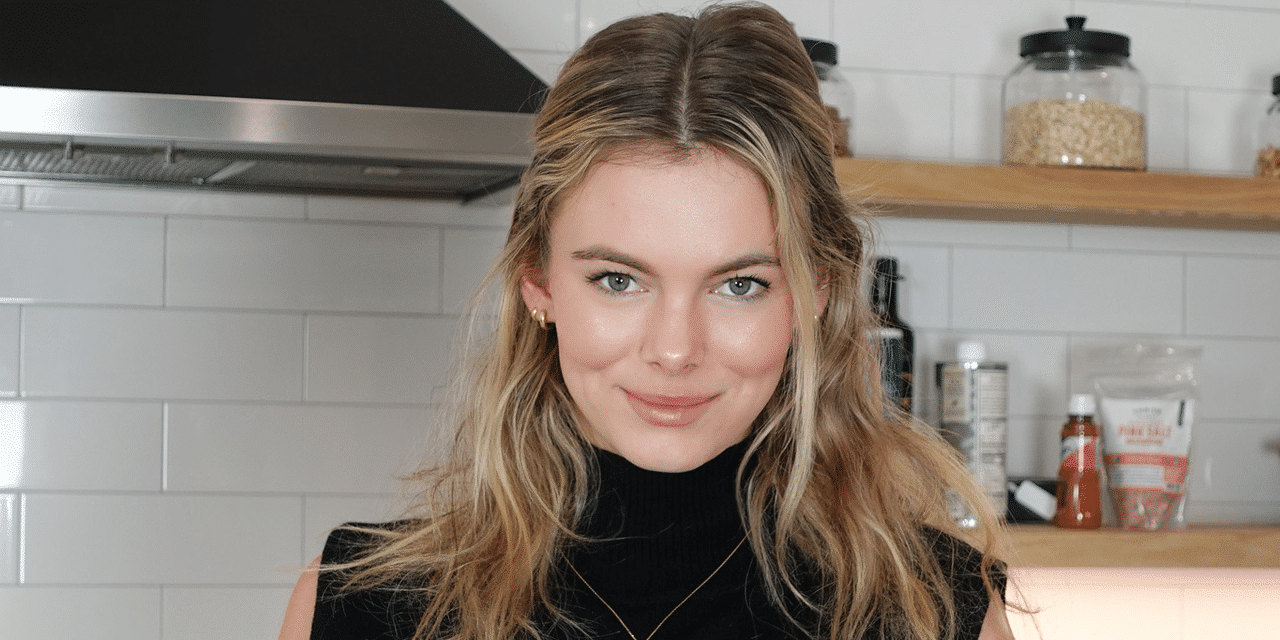
For Violet Witchel, better known online as Dense Bean Salad Girl, the answer was not to spend every waking hour trying to recreate the exact conditions of that first viral moment.
Instead, she started listening more closely to the people who had already arrived.
As comments and DMs accumulated from followers asking questions, sharing stories, and explaining how her recipes were changing the way they ate, Violet shifted her attention away from chasing maximum reach and toward building deeper relationships. That decision has become central to the business she is creating now.
Today, Witchel has grown to more than 3 million followers across platforms, built one of the most recognizable food communities online, expanded into Substack and sold-out in-person pop-ups, and is preparing to release a cookbook in 2027.
The dense bean salad may have been the spark, but the larger story is about what happened after virality.
That makes Witchel an increasingly interesting case study in the creator economy. Her growth has depended less on constant reinvention than on repetition, recognizable visual and culinary language, and trust. Beans remain a recurring part of her recipes. Colorful vegetables remain central. Healthy eating is presented less as discipline than pleasure.
In an internet obsessed with novelty, consistency became part of the brand.
There is also something refreshingly analog about the way her platform has expanded. Witchel sees cooking itself as a way to disengage from the phone, while her pop-up events bring people who met through an algorithm into physical spaces where they can actually speak to one another.
The community, in other words, becomes real.
Mundane spoke with Violet Witchel about turning viral attention into long-term brand equity, building community beyond algorithms, protecting privacy while working online, the pressure to constantly create, and why she hopes Dense Bean Salad is only the beginning.
Millions of people first discovered you through a single recipe, but you’ve been intentional about building something much bigger than a viral moment. Was there a point when you consciously decided to stop chasing virality and start building longevity instead?
I think there was a point where I was getting so many comments and DMs on a daily basis about how impactful my recipes were.
People were asking follow-up questions or more information and I started focusing on responding to my followers and engaging with them as opposed to creating the most viral content possible.
Dense bean salad has become more than a recipe—it has become part of internet food culture. How does it feel knowing something so simple has sparked a larger conversation about approachable, nourishing cooking?
It’s such an incredible feeling.
I love that I’m a small part of helping people eat real food, fresh vegetables.
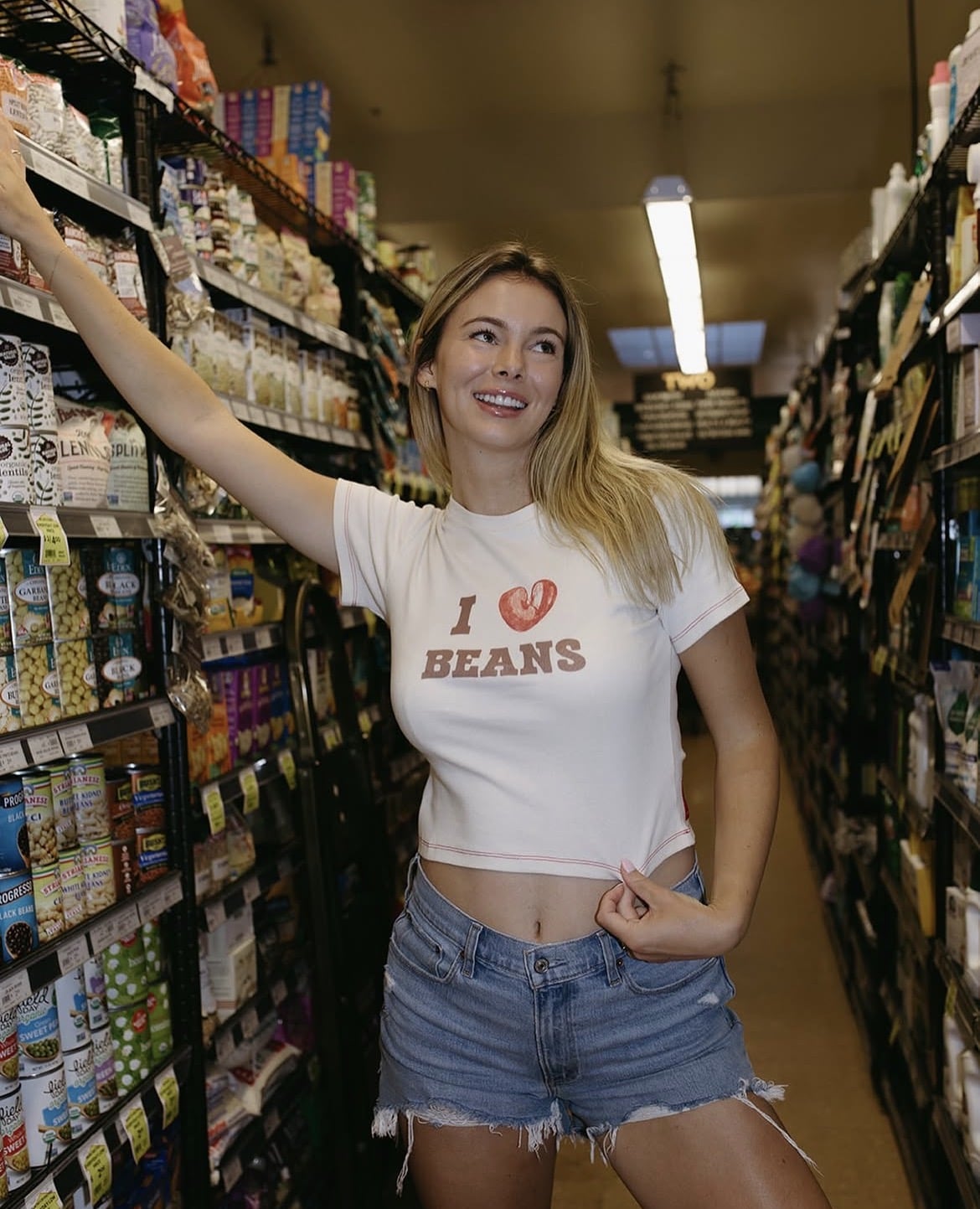
While many creators focus almost entirely on social media, you’ve invested heavily in owned platforms like Substack and in-person experiences. Why has building community beyond algorithms become such an important part of your philosophy?
The social media platforms don’t ensure that you’re connecting with your audience with every post. They have an algorithm that sorts and chooses what’s shown to you.
It’s also not the best format for long-form content.
Substack and in-person experiences gave me a way to connect with my followers in a much more personal, in-depth way.
Your content makes healthy eating feel joyful rather than restrictive. How do you balance nutritional value with the idea that food should also be comforting, creative, and genuinely fun?
Thank you!
I try to cook with as much color as I can and the nutrition comes with it.
I love being inspired by all of the vegetables in the grocery store. Healthy food has so much flavor when done well.
You’ve transformed a niche food trend into a recognizable personal brand. Looking back, what were some of the smartest business decisions that allowed you to turn short-term attention into something sustainable?
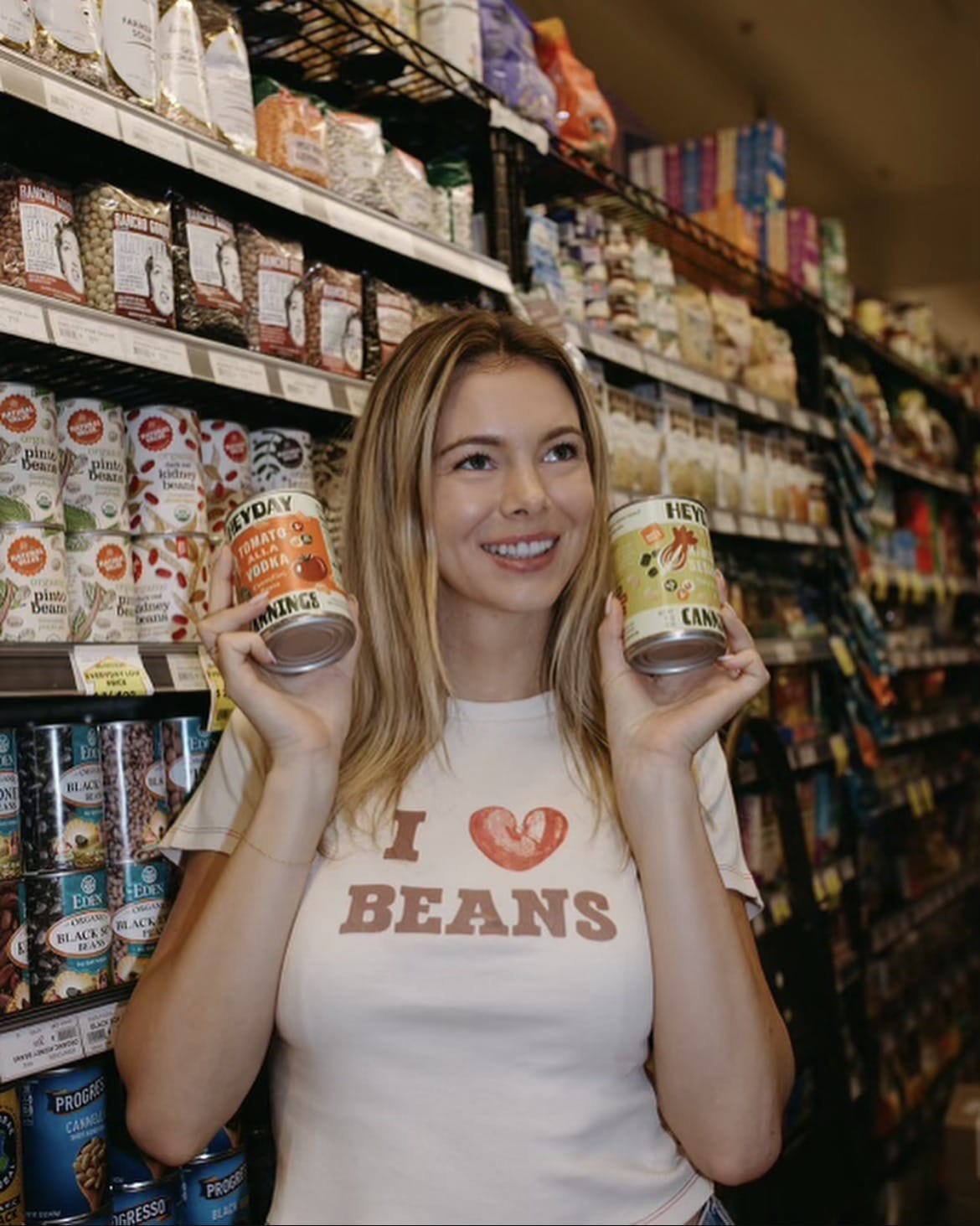
Making very repeatable, consistent content for a long time has allowed me to build a brand.
People know what they can expect from me because I use the same elements over and over, things like beans always show up in my recipes.
Your recipes often celebrate simple ingredients while encouraging people to slow down and reconnect with cooking. In an age of convenience and constant distraction, what role do you think cooking plays in helping people reconnect with themselves?
People are so wrapped up in their phones these days; cooking is a great time to be offline and connect in real life.
It’s a hands-on activity and I find it very relaxing and enjoyable.
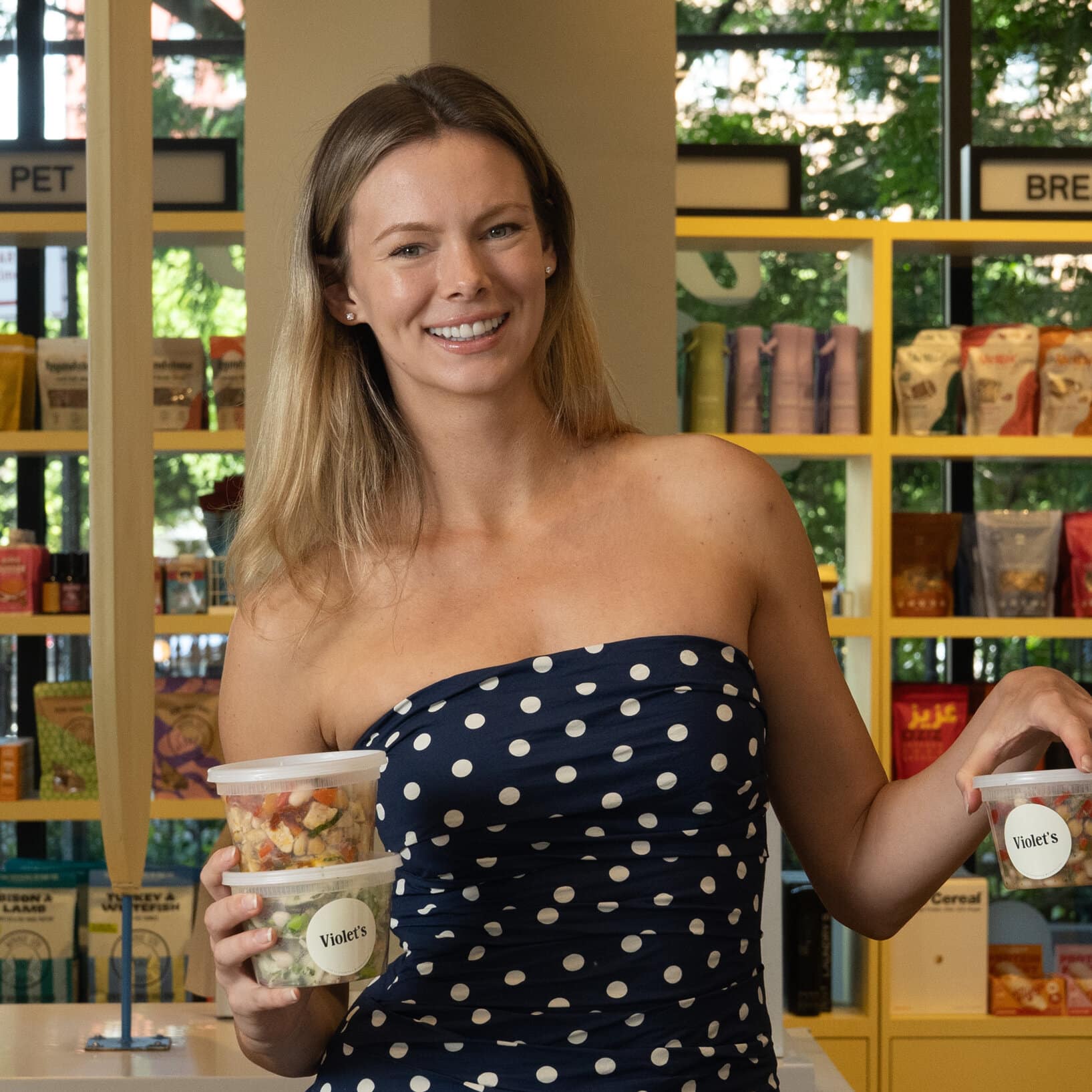
Pop-up events have become an important extension of your work, bringing an online audience together in real life. What have those face-to-face interactions taught you about the community you’ve built?
I love meeting people in real life!
They are so incredibly kind and wonderful.
It’s given me the chance to hear how food has impacted them. For some people it’s helped their fertility, others’ weight loss.
It’s been so meaningful to hear their stories.
Social media often rewards novelty, yet you’ve built your platform around consistency, trust, and authenticity. Have you ever felt pressure to reinvent yourself just to keep up with the pace of the internet?
I definitely feel pressure to create unique content.
It’s so competitive and so many people create stunning visual content, so creating something novel on a regular basis is a real challenge.
I definitely feel the pressure to consistently create.
Your work blends wellness, lifestyle, and storytelling without feeling performative or overly polished. How do you decide what parts of your everyday life to share while still maintaining a sense of privacy and balance?
Thank you!
I try to not share parts of my life that involve people that are offline. My friends and family that don’t have an online presence I keep out of content largely.
I think business interactions and personal conflict or disagreements are something I’ll always keep offline.
I love sharing content with my friends that have more of an online presence. I just don’t ever want people to feel like their online image is out of their control.
With a cookbook on the horizon and your community continuing to grow, it feels like you’re building something that extends far beyond recipes. When people think of Violet Witchel a decade from now, what do you hope your lasting contribution to food and creator culture will be?
Hopefully I’m still writing cookbooks.
I would love to have a body of work that people find meaningful.
I would love to have a physical product people can buy in some capacity.
I would love to potentially have a TV show!
The internet loves an overnight success story because it is easy to understand.
One post. One recipe. One explosion.
Witchel’s trajectory is more interesting because she seems increasingly focused on everything that happens after the spike.
Her strategy is not built around pretending algorithms do not matter. It is about understanding their limits.
A TikTok follower can disappear from your feed tomorrow. A Substack reader has intentionally invited you into their inbox. Someone watching a recipe through a screen is an audience member. Someone showing up at a pop-up and telling you what that recipe changed in their life is a relationship.
That difference matters.
It also points toward the larger evolution taking place across creator culture. As audiences become more fragmented and platforms less predictable, the creators building durable careers may be the ones who understand that reach and community are not necessarily the same thing.
Dense bean salad introduced millions of people to Violet Witchel.
What she is building now is designed to give them a reason to stay.