Photo Credit: Balazs Weidner
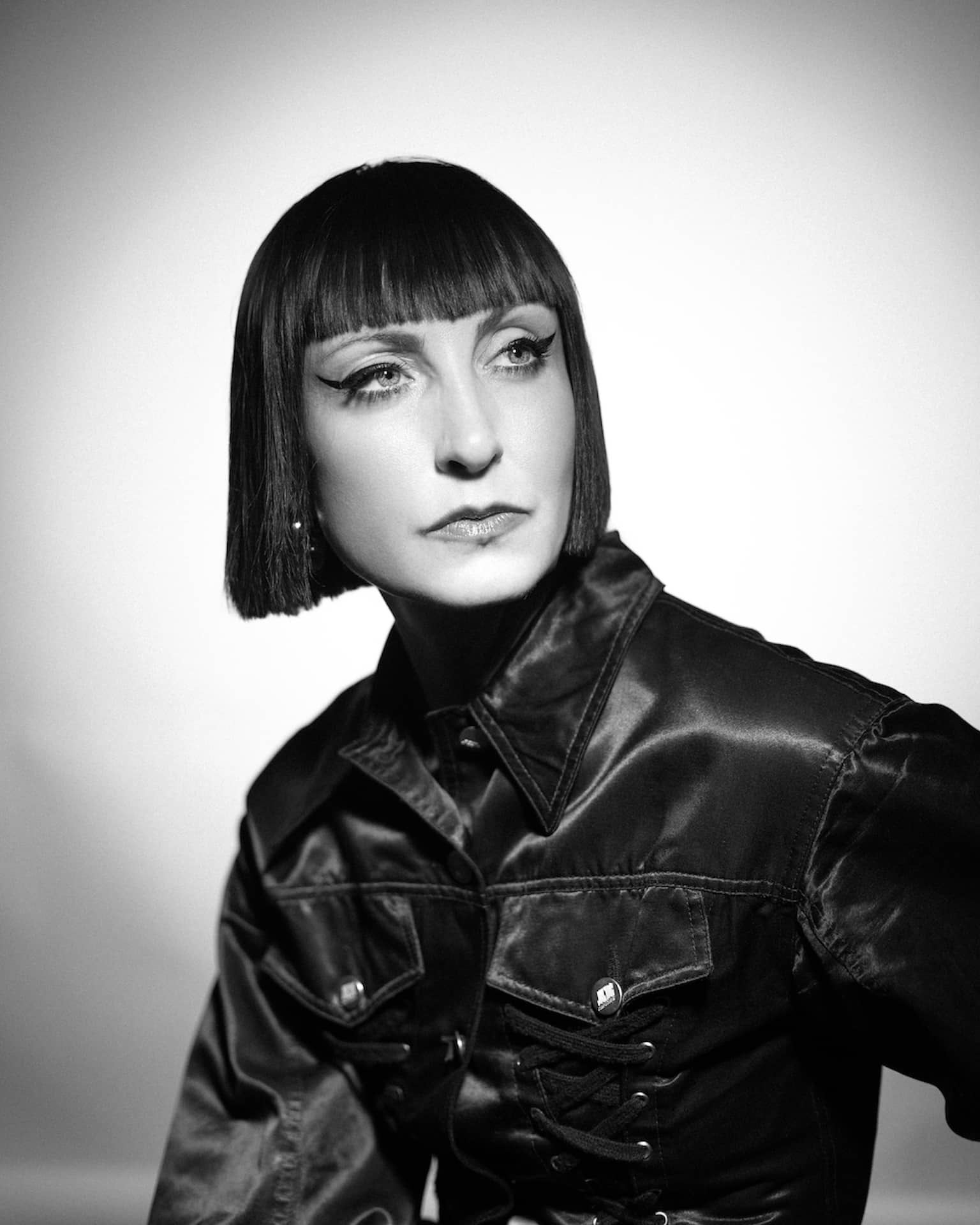
Few artists blur the boundaries between music, cinema, photography, and fine art as effortlessly as Wendy Bevan. The British-born, Los Angeles-based musician, filmmaker, photographer, and composer has built an unmistakable creative universe where gothic synth-pop, contemporary classical music, dreamlike visuals, and cinematic storytelling coexist. With her forthcoming album, Alone With The Unknown, produced by Nick Rhodes of Duran Duran, Bevan continues to expand that immersive world, inviting listeners into a space where vulnerability, mythology, memory, and hope intertwine.
Following the hypnotic lead single “Innocence,” Bevan returns with “Fragile Times,” a sweeping meditation on resilience, compassion, and the invisible threads that connect us during moments of uncertainty. Inspired by avant-garde filmmaker Maya Deren and fashion photographer Herb Ritts, the accompanying visual unfolds like a living dream, reinforcing Bevan’s belief that music and imagery should never exist independently, but instead become different expressions of the same emotional language.
In our conversation, Wendy reflects on visual storytelling, surreal cinema, the emotional architecture of Alone With The Unknown, and why embracing mystery may be one of the most profoundly human experiences of all.
Your music and visuals often feel inseparable. How do you develop the visual identity of a song alongside the music itself?
I’m drawn to creating a visual world that gives people another way into my music. For me, music and visuals are born from the same place. I never see them as separate disciplines; they move together, almost like a form of synesthesia, where sound naturally suggests colour, texture and atmosphere.
Sometimes an image can unlock an emotion before a lyric is fully understood. It becomes another language for the song, offering fragments of a story or the feeling of a scene from a film, allowing listeners to step more deeply into it but also giving space for their own interpretation.
In the case of the songs from my forthcoming album Alone With The Unknown, a visual identity grows from the music itself. The colours, the styling, the movement and the imagery all emerge from the character within the lyrics, the way the vocal is delivered, and the tone of the production. I’m not interested in illustrating a song literally; I want the visuals to feel like an extension of its soul, a parallel world where the music can continue beyond what is heard.
While “Innocence” explored mystery and identity, “Fragile Times” turns toward hope and human connection. How do these songs speak to each other within the larger story of the album?
The songs are connected by the same exploration of what it means to be human within the unknown.
Innocence begins from an intimate place, exploring love, desire and vulnerability—the moment where we allow ourselves to surrender to something we cannot fully understand. It asks whether, through the innocence of love, we can discover something more about ourselves.
Fragile Times continues that journey but expands the conversation outward. It reflects on our shared experience, the fragility of existence, and the ways we remain connected despite uncertainty. The song carries a reminder that hope, compassion and empathy are not fragile things to dismiss, but essential parts of being human, and it recognises that “there’s a dream in everyone.”
The questions within the song—“Can we bridge this great divide?” and “Do we see with open eyes?”—are an invitation to consider how we live alongside one another, and how we find beauty and meaning in a world that is constantly changing. “Footprints on a distant shore, washed away forevermore” references the fleeting nature of life, but also the traces we leave through connection and memory.
Across Alone With The Unknown, I’m interested in the spaces between certainty and mystery—the moments where we don’t always have answers, but where music, imagery and emotion allow us to explore what it means to be alive.
I try to create a place where feeling is experienced rather than explained, where sound, symbolism and storytelling become part of the same language, and I hope the album gives my listeners a place to dream. If Innocence asks us to look within, Fragile Times asks us to look towards one another. Together, the songs form part of the same odyssey: how to remain compassionate and connected while embracing the unknown.
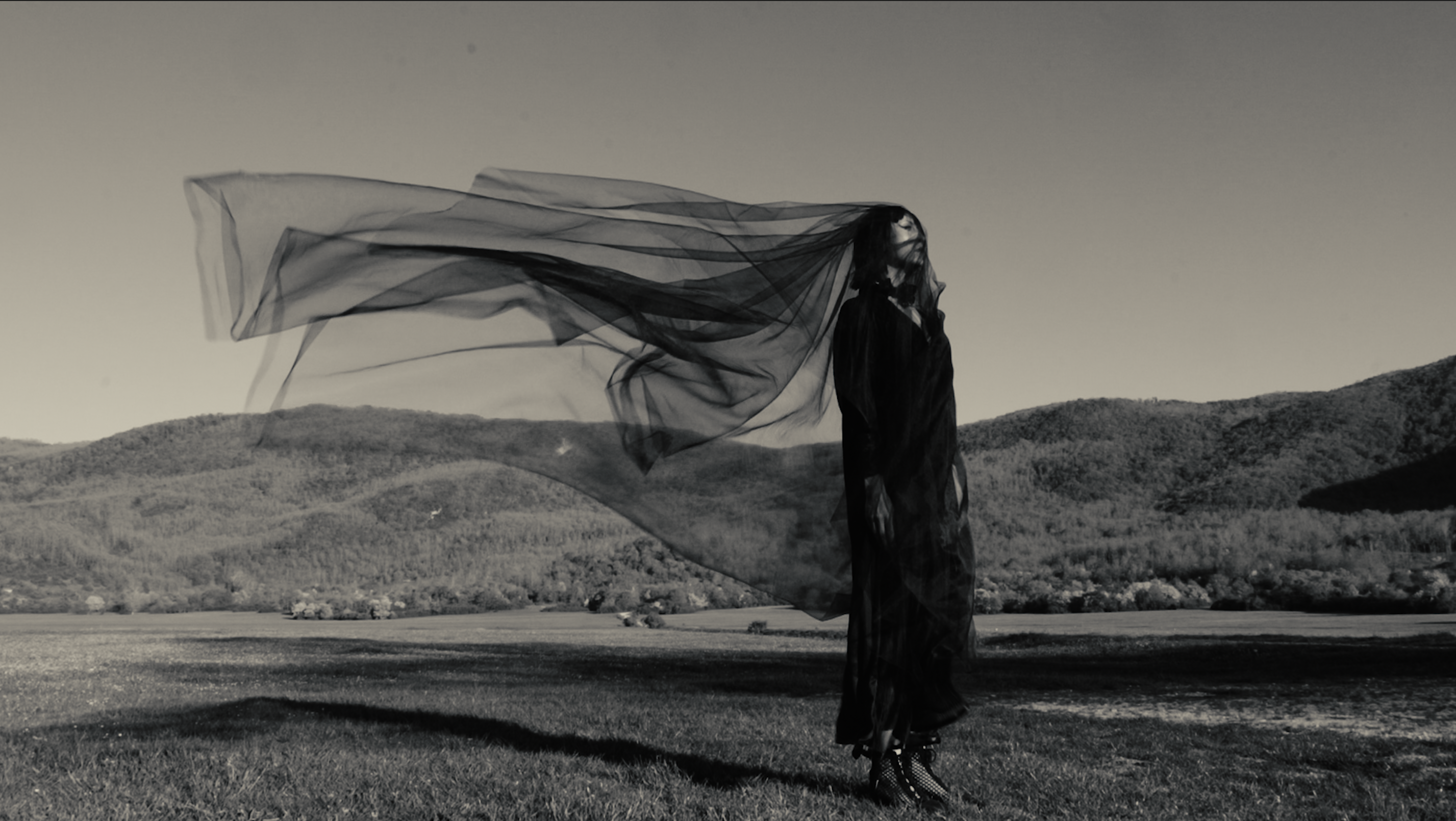
The video for “Fragile Times” draws inspiration from Maya Deren and Herb Ritts. What is it about those films and that era of cinema that continues to inspire your artistic world?
I’ve always been drawn to artists who create their own unique, surreal landscape rather than a linear narrative. Maya Deren’s work, particularly Meshes of the Afternoon, has endlessly inspired me because it exists as a liminal entity, where symbolism speaks more powerfully than explanation. She trusted the viewer to feel something before understanding it, and I think music works in much the same way.
The photographic images of Herb Ritts inspire me differently. His photographs have such a sculptural quality that they dissolve the boundaries between the body, form and landscape. There’s an elegance and timelessness to the images that feel almost mythological.
For Fragile Times, those influences naturally found their way into the film. We shot in the remote medieval mountain town of Montenero, in Molise, Italy. Its vast, expansive, ancient landscape felt almost biblical in its stillness—as though it belonged to another time. The location wasn’t simply a backdrop; it became another part of the story, holding the same emotional weight as the music.
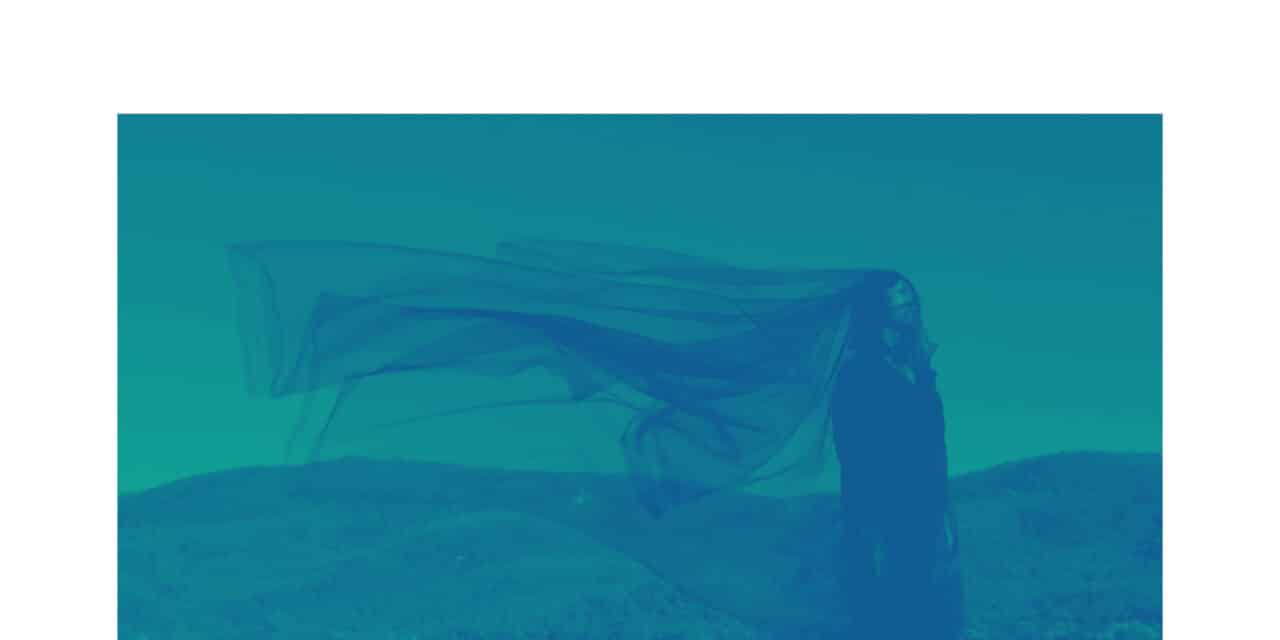
The central image throughout the video is a lightweight black veil, inspired in part by Herb Ritts’ iconic Versace photographs, where fabric becomes an extension of the body. As the mountain wind carried the veil across the landscape, it transformed into a fluid, sculptural form—sometimes becoming the figure itself, sometimes following the anonymous walker, and sometimes mysteriously moving ahead as though leading them. Against the harsh stone and open sky, it became an architectural yet unidentifiable presence, constantly shifting and never settling into one identity.
For me, the veil became a metaphor for the human spirit and for the fragile nature of memory itself. So much of life resists definition. Beauty is often obscured by the stories we tell ourselves, yet it’s always there, changing shape before us. The veil carries that idea of impermanence—it has no fixed structure, no singular identity. It moves like memory, like time, weightless and impossible to hold onto.
That tension between the visible and the invisible runs throughout much of my work. Whether through music, photography or film, I hope Fragile Times feels less like an illustration of the song and more like entering its subconscious, where image and music dissolve into the same dream.